NASA engineer models lunar dust risks for Artemis landers
Ground-based testing at NASA’s Langley Research Center aims to mitigate hazards posed by abrasive lunar dust during descent and ascent phases of the Artemis program.
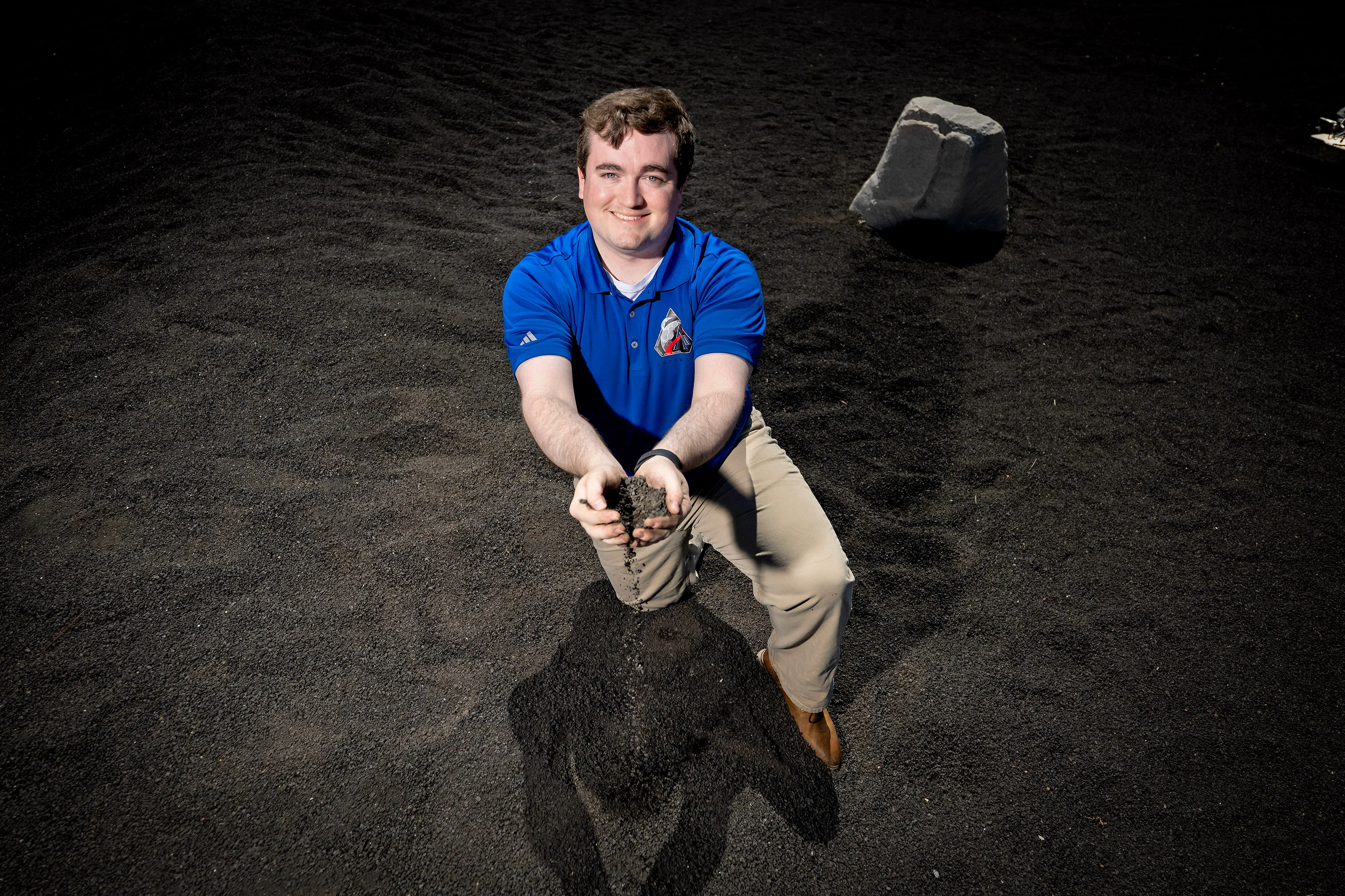
Daniel Stubbs, an aerospace engineer at NASA’s Marshall Space Flight Center in Huntsville, Alabama, is modelling the interaction between rocket exhaust plumes and lunar regolith to safeguard the Artemis human landing systems. His work addresses the significant hazards posed by abrasive dust during landing and ascent, which can obscure sensors and damage surface assets. Ground-based testing is currently underway at NASA’s Langley Research Center in Hampton, Virginia, to simulate these conditions ahead of the planned 2028 crewed Moon landing.
Stubbs, a native of Trussville, Alabama, holds bachelor’s, master’s, and doctoral degrees in aerospace engineering from Auburn University. He began this specific research during graduate school through a NASA Early Stage Innovations grant. The work focuses on predicting how plume-surface interactions affect lander hardware, ensuring systems survive the environment and remain ready to depart for Orion in lunar orbit.
The Artemis program aims to send astronauts to the Moon for scientific discovery, economic benefits, and to build a foundation for future crewed missions to Mars. Orion serves as the spacecraft that will orbit the Moon and rendezvous with the landers. Future landers are larger and heavier than the Apollo Lunar Modules and incorporate more rocket engines. Unlike the Apollo modules, which left descent stages on the surface, the new landers will take off directly from the surface using the same engines used for landing.
NASA’s Apollo missions previously identified risks associated with lunar regolith, which consists of razor-sharp, abrasive particles created by millennia of meteoroid impacts. Stubbs noted that dust plumes can prevent instruments from seeing the surface, potentially affecting guidance computers. Additionally, regolith blown away during ascent could damage scientific instruments or other assets deployed on the lunar surface.
Testing is being conducted in the 60-foot space simulator chamber at NASA’s Langley Research Center. The research aims to help engineers understand the aerodynamic forces landers will experience during descent and ascent, heating at a lander’s base, and the potential for a large lunar lander to tip over due to crater formation or surface instability.