NASA Engineer Identifies Critical Data Gap During FAA Digital Clearance Training
Will Cummings-Grande of NASA Langley found the absence of an operational connection between the Tower Data Link Services and the Terminal Flight Data Manager, a discovery that could accelerate the timeline for safer, automated ground operations.
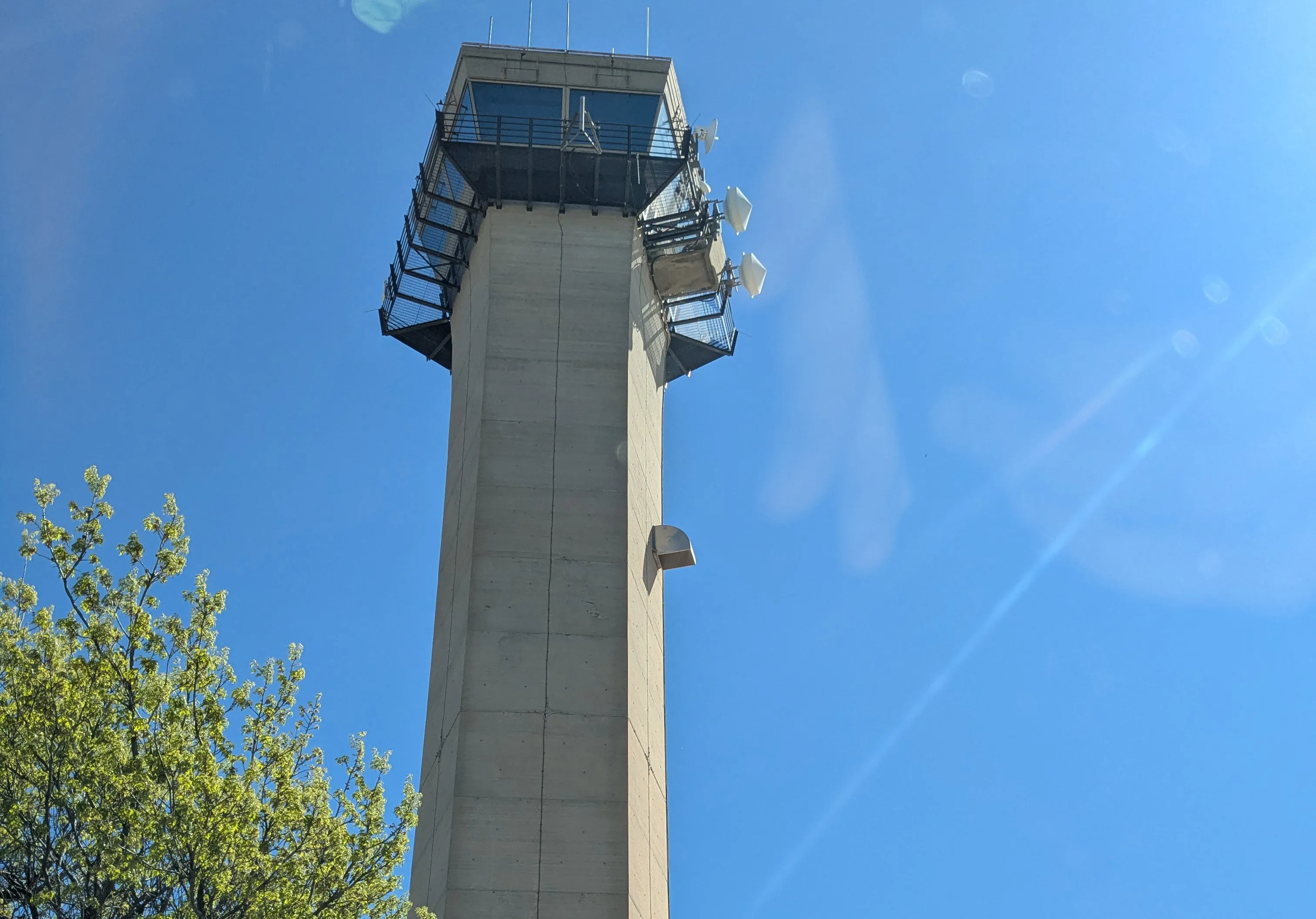
At a busy airport, radio frequencies are a scarce resource where spectrum and time are strictly constrained. When multiple aircraft attempt to communicate simultaneously, messages can be lost, making long transmissions and readbacks particularly challenging during high-traffic periods or adverse weather. To address this, digital clearance delivery is now standard practice at 72 airports across the United States, allowing pilots to confirm clearances via a button press that sends data directly to the controller's screen and the aircraft's flight management system.
Will Cummings-Grande, an aerospace engineer with the Systems Analysis and Concepts Directorate at NASA's Langley Research Center, recently sought to understand how these systems function in real-world operations rather than through theoretical papers. He completed two days of Tower Data Link Services (TDLS) Application Specialist training at the FAA Academy's Mike Monroney Aeronautical Center in Oklahoma City. The course, designed for air traffic controllers at airports equipped with digital clearance delivery, allowed Cummings-Grande to shadow working controllers and test concepts within a live, air-gapped environment.
During the training, Cummings-Grande identified a significant research gap regarding the absence of an operational link between the TDLS and the Terminal Flight Data Manager (TFDM). This discovery, which he noted he did not recognise prior to the course, informs his ongoing work on extending digital clearance to taxi instructions. His goal is to ensure that pushback timing, routing, and runway assignments arrive digitally, thereby improving surface safety and reducing pilot workload.
The training environment provided unique insights into the cybersecurity design of these critical systems. Cummings-Grande observed that the TDLS software runs on a fully air-gapped system, completely isolated from standard operating systems. This architecture, revealed through direct interaction with the hardware and software versions being developed by FAA systems engineers, highlighted the differences between these specialised tools and the computers researchers commonly interact with daily.
Cummings-Grande estimates that a fully implemented digital taxi clearance system could be operational in five to ten years. This projection is driven by a convergence of new infrastructure investments, including systems derived from Airspace Technology Demonstration (ATD-2) technologies, and renewed industry interest from aircraft manufacturers. While previous digital taxi clearance demonstrations occurred in simulations and flight tests at Atlanta Airport, the current timeline suggests the technology and cost-benefit case are finally maturing.
The engineer views the FAA Academy's model of pairing researchers with operational training as a valuable approach that could be replicated for other areas, such as terminal procedures design and urban air mobility. He noted that while he was not aware of another NASA researcher having taken this specific FAA course, the partnership between the agency and the Academy offers a pathway for deeper dives into current state-of-practice systems.