NASA details complex Earth-orbit test for Artemis III lunar preparation
Artemis III mission will use a spacer to simulate upper stages, testing docking systems and life support ahead of the Artemis IV Moon landing.
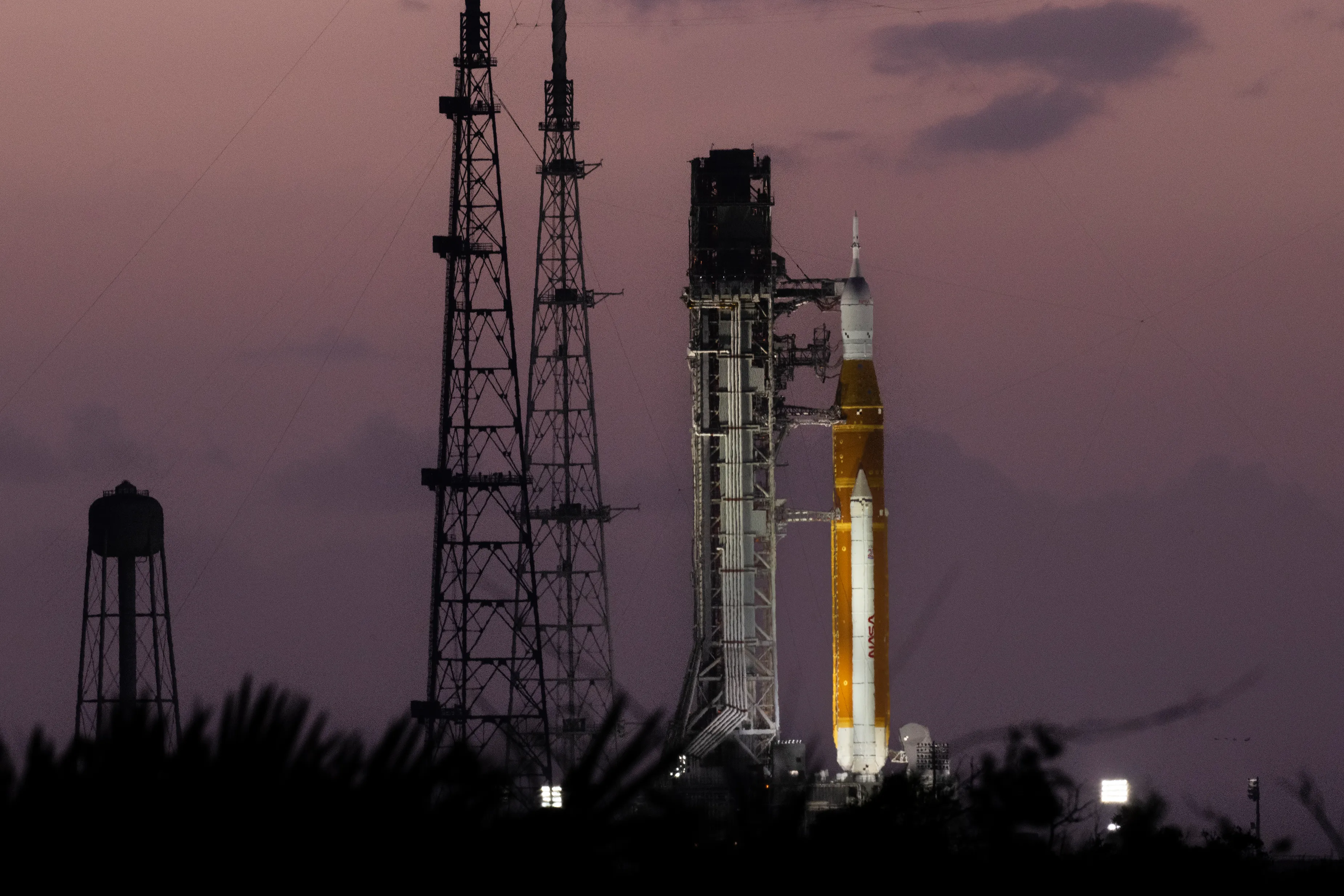
NASA has released preliminary plans for the Artemis III mission, a crewed flight in Earth orbit scheduled for next year. The mission serves as a critical risk-reduction step for Artemis IV, which aims to land astronauts on the Moon’s South Pole. Artemis III will launch four crew members aboard the Orion spacecraft via the Space Launch System (SLS) rocket. The primary objectives include testing rendezvous and docking capabilities with commercial landers from Blue Origin and SpaceX, evaluating life support systems, and validating an upgraded heat shield for flexible reentry profiles.
To simulate the mass and dimensions of a lander’s upper stage without propulsive capabilities, NASA is constructing a “spacer” at its Marshall Space Flight Center in Huntsville, Alabama. Material for the spacer’s barrel section and rings is currently being machined in preparation for welding. The spacer will maintain the same interface connection points as the actual upper stage between the Orion stage adapter and launch vehicle stage adapter.
The SLS rocket will launch Orion from NASA’s Kennedy Space Center in Florida. After reaching low Earth orbit, the spacecraft’s European-built service module will circularise the orbit. This orbital configuration increases mission success by allowing more launch opportunities for each element, including SLS carrying Orion, SpaceX’s Starship human landing system pathfinder, and Blue Origin’s Blue Moon Mark 2 human landing system pathfinder.
Astronauts may potentially enter at least one lander test article, spending more time aboard Orion than during Artemis II. This extended duration will advance the evaluation of life support systems and, for the first time, demonstrate docking system performance. The mission will inform lander rendezvous and habitation concepts and mission operations in preparation for future surface missions.
NASA is seeking industry input to improve communications with the ground, as the Deep Space Network will not be used. The agency is also seeking international and domestic interest in flying CubeSats during the mission. Jeremy Parsons, Moon to Mars acting assistant deputy administrator, described Artemis III as one of NASA’s most highly complex missions, noting that integrating multiple partners and interrelated operations will help teams learn how Orion, the crew, and ground teams interact before sending astronauts to the lunar surface.