NASA data reveals severe air pollution levels in Ethiopia’s capital
A NASA-funded study published in ES&T: Air highlights the impact of traffic and fuel burning on air quality in a rapidly growing city, providing a critical baseline as Ethiopia implements strict vehicle import bans.
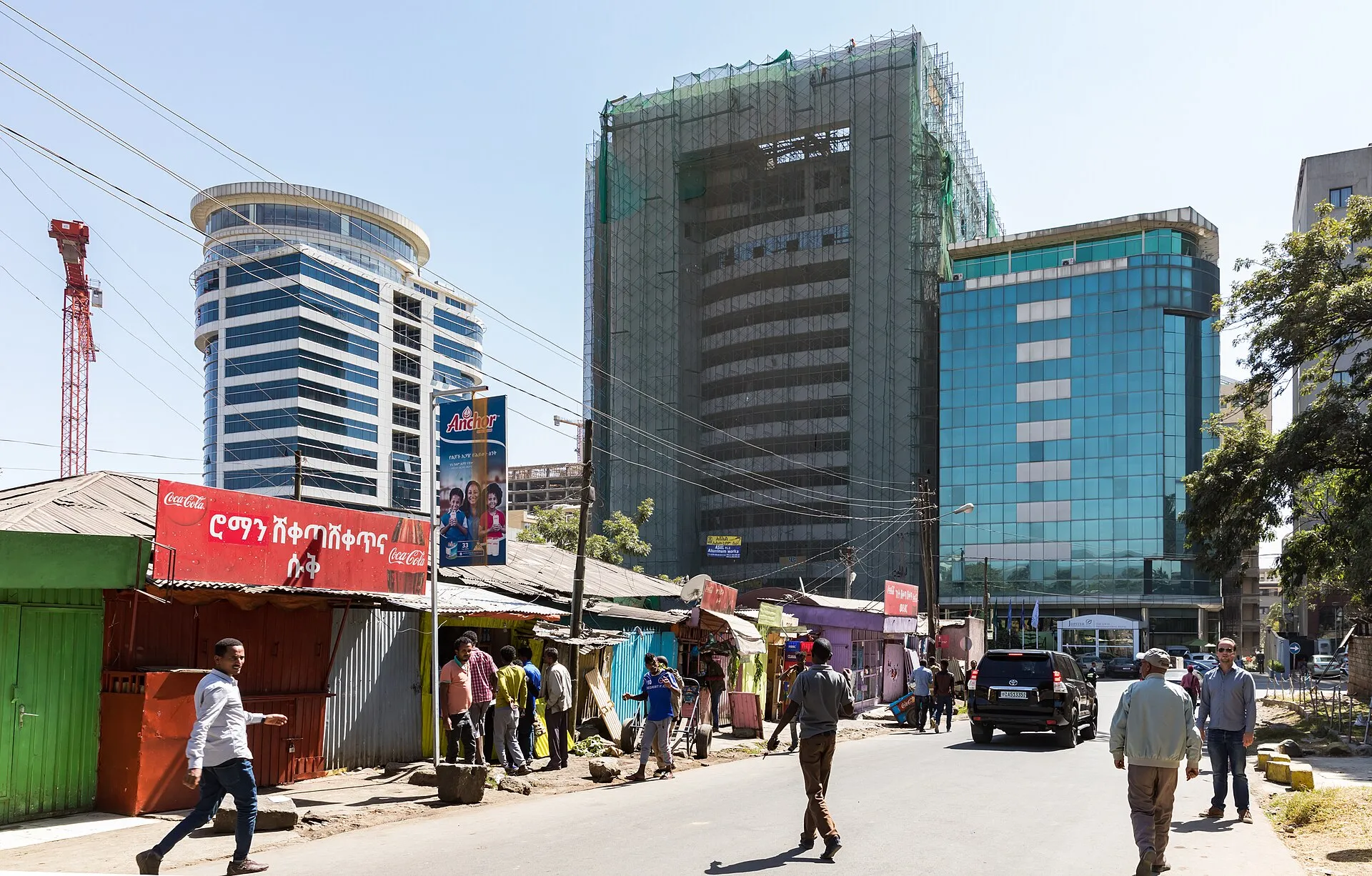
A NASA-funded air pollution monitoring network has provided one of the most detailed long-term views of black carbon and particulate matter in Addis Ababa, Ethiopia. Data collected between 2022 and 2025 from 10 sites reveals that pollution levels significantly exceed US standards, with black carbon concentrations four to nine times higher than those in monitored US metropolitan areas.
The research, published in ES&T: Air, analysed data from NASA’s Multi-Angle Imager for Aerosols (MAIA) project. The study found that Addis Ababa’s three-year average PM2.5 concentration was 30 micrograms per cubic meter, more than three times the US Environmental Protection Agency’s annual health-based standard. Black carbon, a soot produced by fires, diesel vehicles, and other combustion sources, was identified as a major component of this pollution.
Pollution levels fluctuate by time of day and season. The MAIA ground sensors detected increases linked to rush-hour traffic and holiday celebrations involving bonfires. Researchers were able to distinguish between particles originating from these fires and those from fossil fuel combustion. Even at night, when traffic subsides, emissions remain high due to the burning of charcoal and other fuels.
The findings offer a baseline for a rapidly growing city. The greater Addis Ababa urban area is home to nearly 6 million people, a figure projected to surpass 10 million by 2050. Ethiopia has taken steps to improve air quality, including banning the import of internal combustion engine vehicles in 2024 and expanding bike lanes and electric vehicle infrastructure.
Sina Hasheminassab, a coauthor of the paper and MAIA’s deputy principal investigator at NASA’s Jet Propulsion Laboratory, noted that this is the first long-term, multisite study of its kind in Ethiopia. The mission includes a space observatory equipped with a JPL-built camera, scheduled for launch no earlier than late 2027 on an Italian Space Agency satellite. This instrument will map particle concentrations over cities globally, supporting the first NASA project to include public health researchers among its team.