NASA Curiosity rover commences drilling campaign at Mars Atacama site
The NASA Curiosity rover has initiated a drilling operation at the Atacama site, aiming to characterise geological formations and compare mineralogy with previous findings at Mineral King.
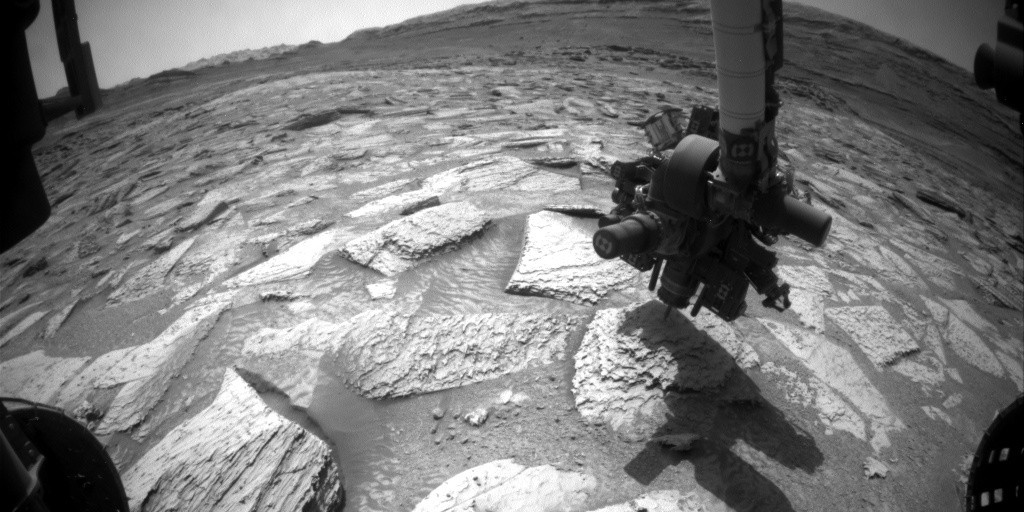
The NASA Curiosity rover has commenced a six-sol drilling campaign at the Atacama site on Mars, scheduled to run between sols 4873 and 4878. This operation marks the characterisation of the first Mount Sharp layered-sulfate bedrock encountered since the rover departed the boxwork terrain. The mission involves pre-load testing, contact science, and extensive imaging of specific rock formations including Kimsa Chata, Queen of the Andes, and Curaco.
The campaign is divided into two distinct phases to ensure precision. The first phase, spanning sols 4873 to 4875, focused on pre-load tests and triage contact science. During this period, the Alpha Particle X-Ray Spectrometer assembled repeated observations while the Mastcam captured stereo mosaics under varying lighting conditions to detect potential changes in the dataset.
Following the initial assessment, the second phase from sols 4876 to 4878 will execute the full drilling operation and characterise activities related to drill sols 2 and 3. Specific targets for imaging include a laminated rock with an exposed edge named Queen of the Andes and a rock with polygonal fractures named Curaco, which was broken when the rover drove over it. Additional coverage of the El Almendrillo target is also planned.
The science team intends to deliver a portion of the drilled target to the ChemMin instrument for analysis. This step is crucial as the mission aims to compare the mineralogy of this unit against the previous drill site at Mineral King, which is located nearly 160 metres below the current position. The comparison will provide valuable insights into the geological history of the region.
While the rover focuses on the drill target, the Environmental theme group continues to monitor atmospheric conditions. This includes tracking dust in the atmosphere, studying cloud movements, and documenting the presence of dust devils. Additionally, the ChemCam instrument will autonomously select two additional targets for analysis to broaden the scope of the investigation.
The work is being conducted by the NASA Curiosity Science Team, with Sharon Wilson Purdy, a Planetary Geologist at the Smithsonian National Air and Space Museum, providing expert commentary on the mission's progress. The team looks forward to seeing how the mineralogy of the layered sulfate unit at the Atacama site compares to previous findings as the campaign progresses.