NASA concludes probe into Goldstone antenna mishap, sets October 2028 return date
The agency’s Type A mishap investigation reveals systemic issues at the California complex, with repairs estimated at $4.6 million and the network continuing to support over 40 missions via its remaining 13 antennas.
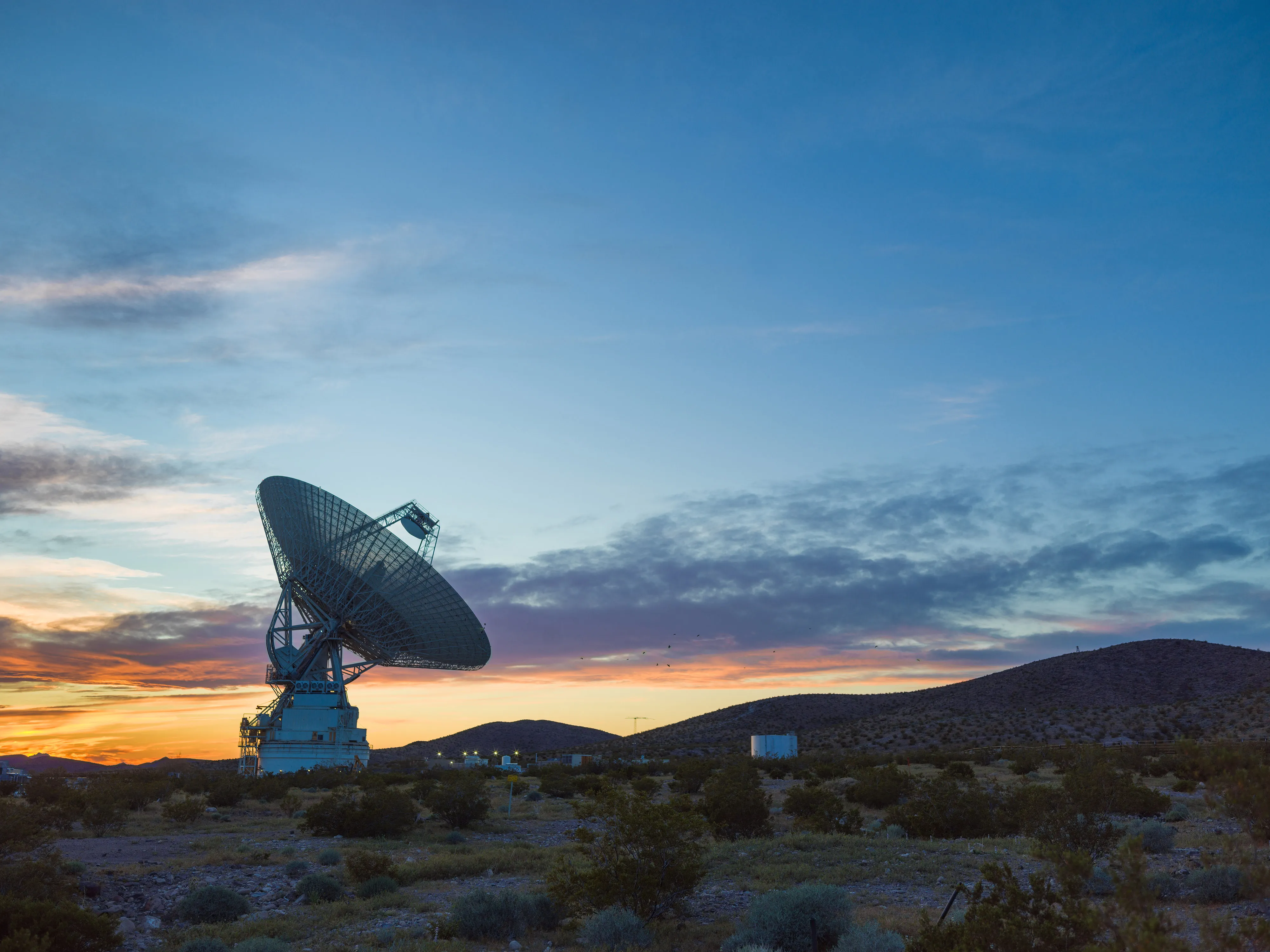
NASA has released the final report from its Mishap Investigation Board following a Type A incident at the Deep Space Station 14 (DSS-14) antenna at the Goldstone Deep Space Communications Complex in California. The agency classified the event as a Type A mishap due to the significant cost of damages, which it estimates will fall between $4.1 million and $4.6 million. The 70-metre radio-frequency antenna will remain offline to complete repairs and previously scheduled upgrades, with operations expected to resume by October 2028.
The incident occurred on 16 September 2025 while the antenna was actively tracking the Juno mission. DSS-14 over-rotated, placing excessive stress on cabling and structural supports. The movement also damaged fire-suppression water lines, resulting in significant flooding within the facility. No injuries were reported during the event.
Investigators attributed the mishap primarily to software weaknesses, human error, and an undetected failure in the antenna’s hydraulic limit system. An electrical issue the previous day caused the control system to misreport the antenna’s rotation state. While operators attempted to troubleshoot the limit-stop problem, they inadvertently bypassed software and hardware safeguards. When flooding was observed, operators attempted to stow the antenna, but because the system had already passed its rotation limits, this action drove the antenna further into over-rotation.
The report highlighted that the hydraulic limit system, which serves as the final mechanical safeguard, was inoperable on the day of the incident after being damaged in a prior undocumented incident. It had not been adequately tested for an undetermined period. Contributing factors included inadequate procedures, reliance on undocumented practices, and a workplace culture that pressured operators to work beyond their training to maintain operations.
Joel Montalbano, acting associate administrator for NASA’s Space Operations Mission Directorate, stated that the agency is acting on the investigation’s findings to strengthen processes and reinforce operational discipline across the Deep Space Network. Kevin Coggins, deputy associate administrator for the Space Communications and Navigation Program, added that teams are working to standardise processes and training across all three network sites to ensure resilience.
The Deep Space Network continues to provide full coverage for more than 40 missions despite the outage at Goldstone. The network’s 13 other antennas, located in California, Australia, and Spain, are supporting all tracking needs without interruption. A dedicated scheduling team allocates antenna time across the network to meet each mission’s science and data-return objectives.