NASA concludes MAVEN Mars mission after signal loss
The agency has begun decommissioning the orbiter, which spent more than 11 years studying the Martian atmosphere and solar interactions before losing contact in December.
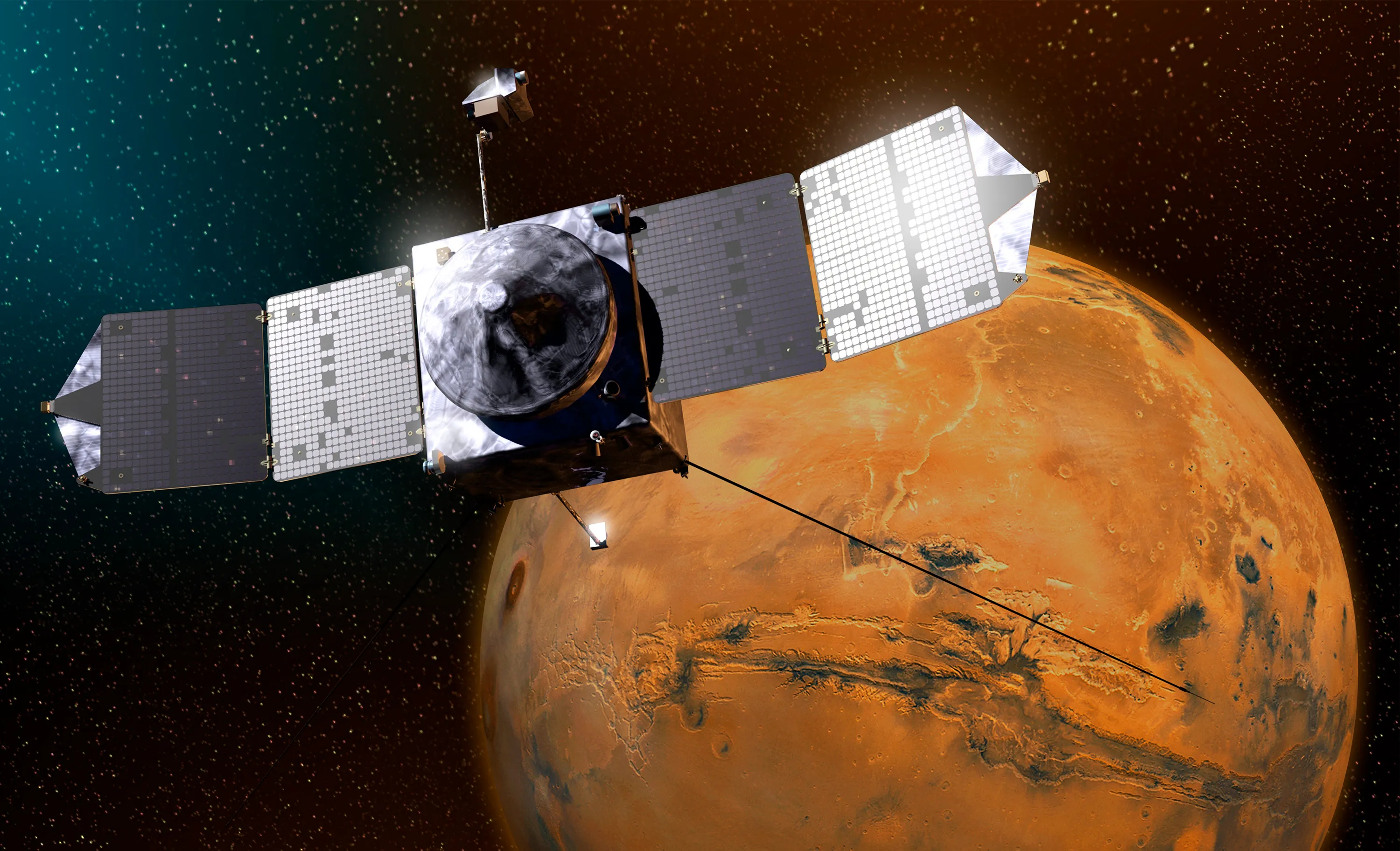
NASA has officially ended the MAVEN (Mars Atmosphere and Volatile Evolution) mission after more than 11 years in orbit around Mars. The spacecraft, which was launched in November 2013 as the first mission dedicated to observing the Martian atmosphere, lost contact on 6 December after passing behind the planet. An anomaly review board convened in February determined that the spacecraft is unrecoverable and can no longer perform its science or data relay functions.
Telemetry data indicates that MAVEN entered safe mode and began rotating at an unusually high rate upon emerging from behind Mars. This rapid rotation drained the spacecraft’s batteries, causing the communications system to lose power. While the signal was lost, preliminary analysis of radio signals recorded by the Deep Space Network showed that all subsystems were functioning normally prior to the spacecraft’s passage behind the planet.
The exact root cause of the anomaly remains under investigation, with a final report from the review board expected later this year. NASA has initiated the official decommissioning process, which includes archiving the full mission dataset for the broader science and exploration communities. The agency will host a media teleconference on 3 June to discuss the mission’s achievements and the steps taken to conclude operations.
Launched with a primary one-year mission, MAVEN operated for a decade beyond its initial timeframe. The mission provided critical data on how solar wind and solar storms strip away the Martian atmosphere, offering insights into the planet’s climate history and potential habitability. It also served as a key node in NASA’s Mars Relay Network, holding the solar system record for the most data relayed from another planet in a single day.
Key scientific findings included the discovery that atmospheric erosion increases significantly during solar storms and the identification of new types of proton auroras at Mars. The team also measured atmospheric sputtering for the first time at any planet by observing argon, a noble gas. These discoveries have been instrumental in understanding the loss of liquid water and the evolution of the Martian environment.
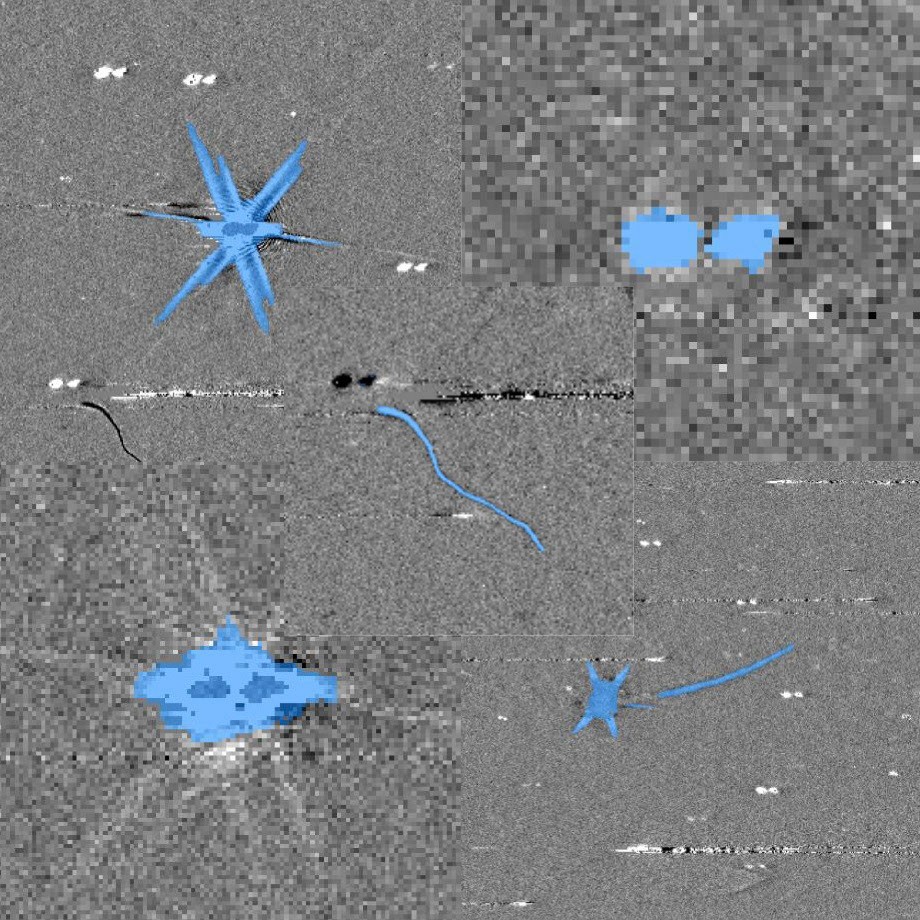
The mission produced more than 800 publications and contributed to the observation of comet 3I/ATLAS. Louise Prockter, director of the Planetary Science Division at NASA Headquarters, noted that the science from MAVEN is key to informing radiation protection and safety measures for future human missions to Mars. The data collected is expected to provide valuable insight into the Red Planet for decades to come.
Shannon Curry, MAVEN’s principal investigator and a researcher at the University of Colorado Boulder, stated that the mission has truly advanced the understanding of the Martian atmosphere. The mission is part of NASA’s Mars Exploration Program, with the spacecraft built by Lockheed Martin Space and managed by NASA’s Goddard Space Flight Center.