NASA commits to permanent lunar presence by 2030s as China advances space programme
The US space agency outlines long-term governance objectives for a Moon base, coinciding with Beijing’s recent crewed missions and expert scrutiny of the legal frameworks underpinning the expanding space race.
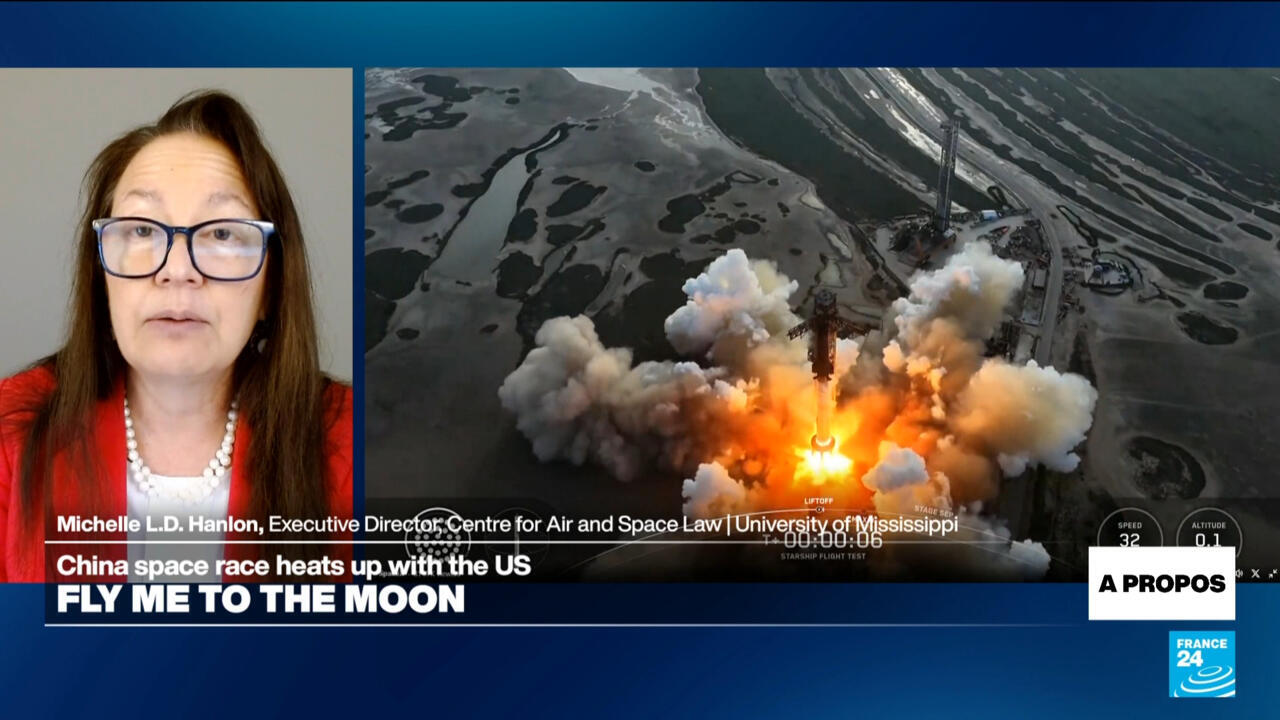
NASA has formally unveiled plans to establish a permanent human presence on the Moon by the 2030s, signalling a strategic pivot from temporary exploration to sustained institutional occupancy. The announcement, reported by France 24, frames the development within the context of intensifying geopolitical competition with China, which has recently advanced its own lunar ambitions through the launch of three astronauts into space.
The timeline for a permanent lunar base represents a significant escalation in US space policy, moving beyond the short-term objectives of previous Artemis missions. By targeting the 2030s for a permanent footprint, NASA is laying the groundwork for long-term governance structures and resource management protocols. This shift suggests a recognition that lunar operations will require continuous oversight rather than intermittent visits.
China’s concurrent progress in human spaceflight adds a layer of strategic urgency to the US announcement. The recent launch of three astronauts by Beijing demonstrates a mature capability in crewed missions, which serves as a direct counterpoint to Washington’s timeline. The juxtaposition of these developments highlights the dual-track nature of the current space race, where both nations are simultaneously pursuing scientific discovery and strategic dominance.
Legal and regulatory frameworks are likely to become central to this evolving landscape. Michelle L. D. Hanlon, Executive Director at the Center for Air and Space Law at the University of Mississippi, was interviewed by France 24’s Sharon Gaffney regarding the implications of these moves. Her involvement underscores the growing importance of international law in managing the transition from national exploration to permanent settlement.
The narrative of a "heating" space race, as described by the source outlet, reflects the heightened diplomatic and strategic tensions surrounding these developments. While specific technical and financial details of the NASA base remain unconfirmed in the current reporting, the commitment to a 2030s timeline provides a concrete benchmark for future policy analysis and international cooperation or competition.