NASA cancels Swift observatory rescue as telescope faces atmospheric re-entry
Persistent technical failures on Katalyst Space’s LINK spacecraft have forced the cancellation of the orbital boost, leaving the Neil Gehrels Swift Observatory to burn up in Earth's atmosphere later this year.
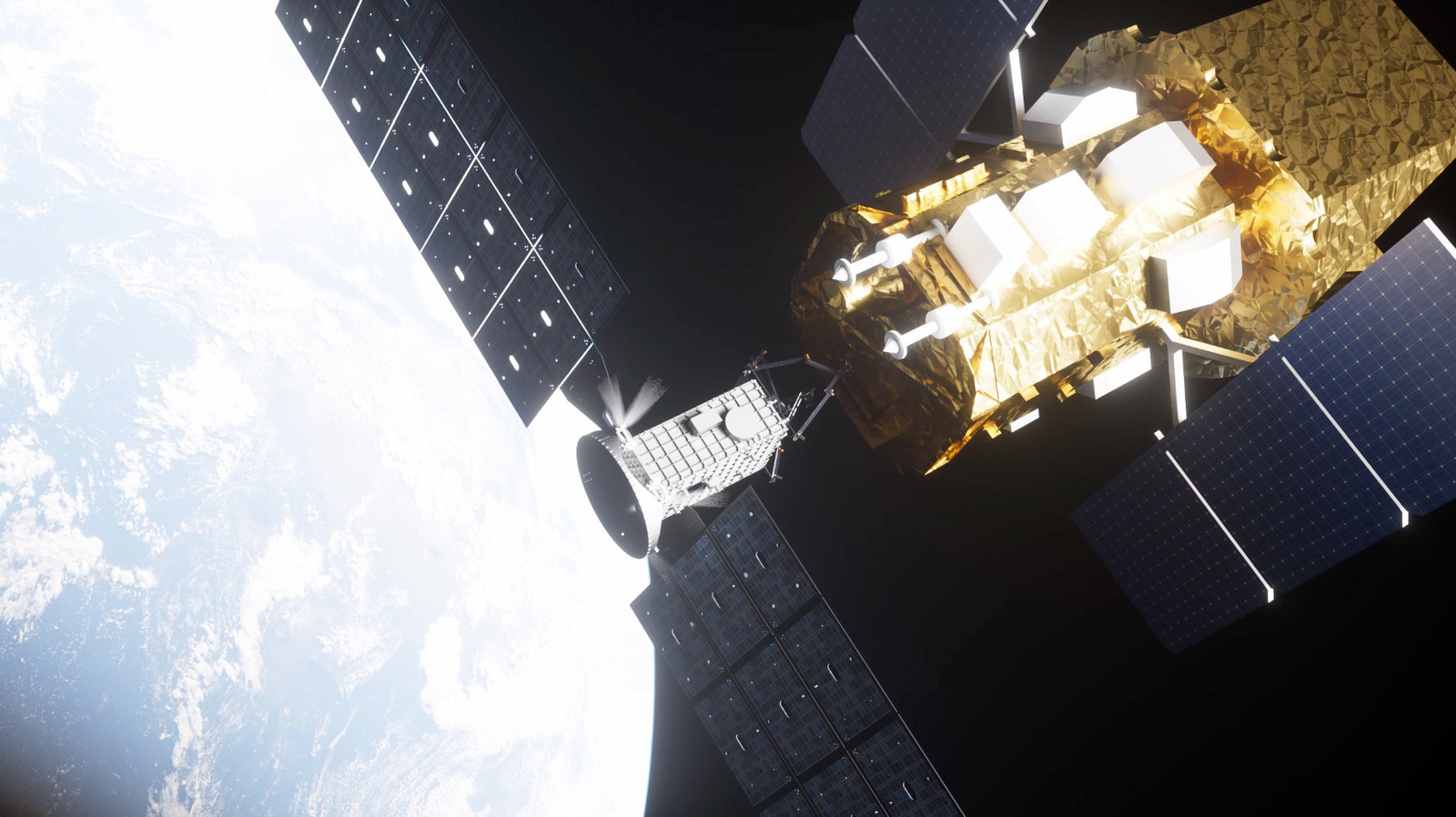
NASA has officially aborted the mission to boost the Neil Gehrels Swift Observatory to a higher orbit, confirming that the telescope is expected to re-enter and disintegrate in Earth's atmosphere later this year. The decision follows persistent attitude control issues with Katalyst Space's LINK spacecraft, which launched in early July to perform the rescue operation.
The LINK spacecraft began experiencing problems managing its orientation in orbit in late July, resulting in uncontrolled spinning and sporadic communications. These issues were compounded by a loss of functionality in the spacecraft's thruster system. Although NASA and Katalyst Space expressed optimism about the mission's success last month, the technical difficulties have made the planned docking and orbital boost impossible.
Shawn Domagal-Goldman, the Astrophysics Division director at NASA Headquarters in Washington, described the Swift Boost mission as a "high-risk, high-reward" endeavour from the outset. It was a first-of-its-kind attempt, with Katalyst Space having less than a year to design and launch the spacecraft. The urgency was driven by the Swift observatory's rapid orbital decay, a phenomenon accelerated by increased solar activity in recent years.
Launched in 2004 to study gamma-ray bursts, the Swift observatory has become a critical tool for astronomers, who rely on it to obtain rapid data during sudden cosmic events. The rescue mission was intended to extend the telescope's operational life by approximately a decade. With the boost cancelled, NASA states it will prioritise finding new options to react rapidly to cosmic events, while using current missions to fill the gap left by Swift's loss.
Despite the cancellation of the boost, the LINK spacecraft will still attempt a rendezvous with the observatory. NASA and Katalyst Space plan to gather as much data as possible from these operations to inform future satellite servicing missions. The agency views the attempt as a valuable learning opportunity for the capabilities required in future orbital maintenance tasks.
NASA Administrator Jared Isaacman acknowledged that the outcome was not the intended result but emphasised the value of the attempt. "The team moved with extraordinary speed to give Swift a chance to carry out more science while advancing capabilities America will need for satellite servicing in the future," Isaacman said. He added that the agency intends to learn everything possible from the rendezvous attempt to improve subsequent missions.