LG unveils FLiPP technology to overcome OLED size limits
The new manufacturing method eliminates fine metal masks, promising brighter, longer-lasting displays for products ranging from wearables to ultra-large televisions.
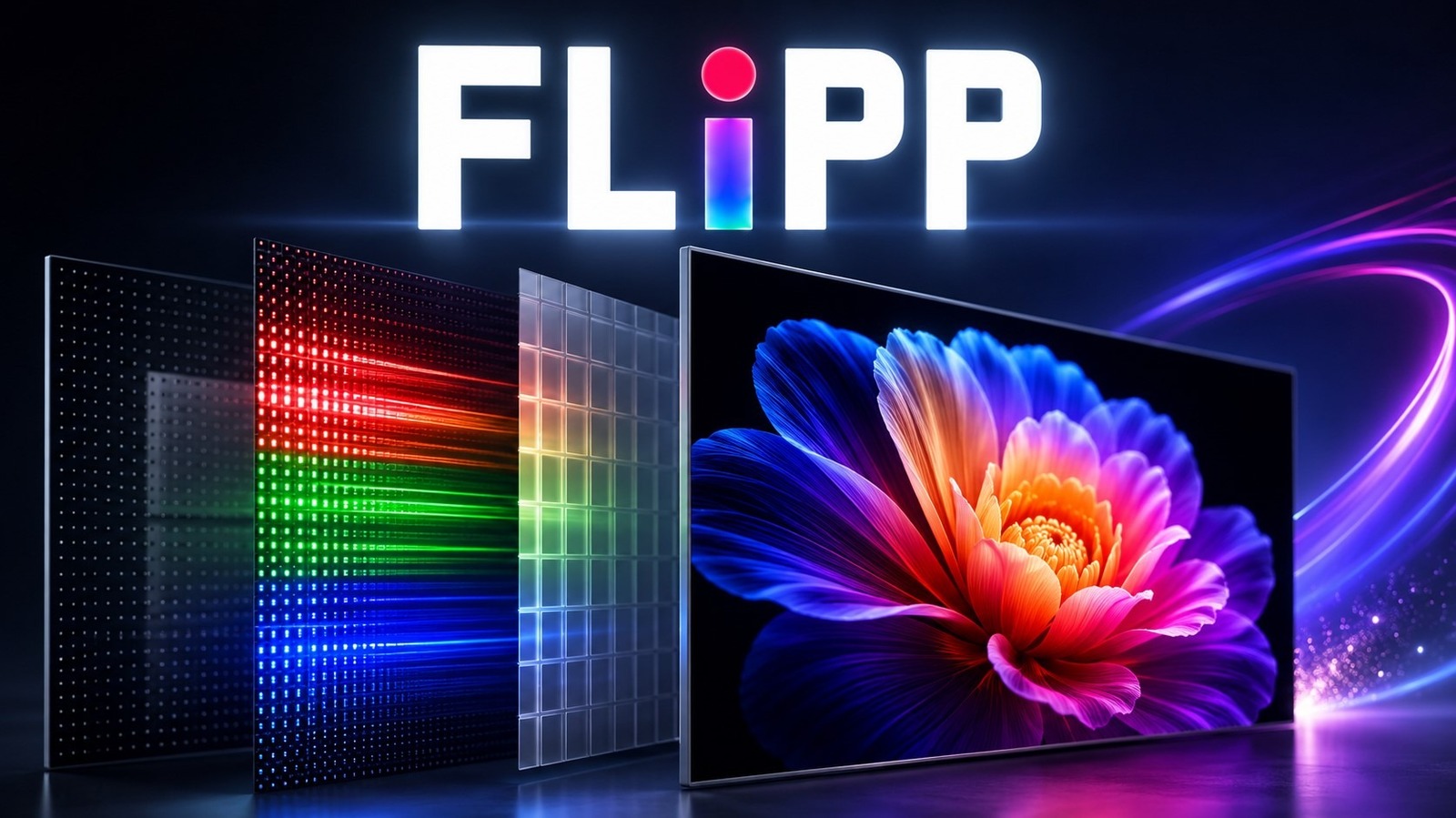
LG Display has unveiled a new OLED manufacturing system called FLiPP, or FMM-less Innovative Pixel Patterning, which removes the reliance on fine metal masks traditionally used in panel fabrication. The technology addresses longstanding challenges in the industry, where fine metal masks are expensive to fabricate and prone to alignment issues due to sagging, particularly in larger television panels.
The FLiPP system stencils RGB pixels directly onto panels in a precise order. It then utilises photolithography and UV light to erase unnecessary areas during the pixel patterning process. According to LG, this method results in displays that are 1.6 times brighter and last 2.4 times as long as conventional panels. Additionally, the new technology is claimed to reduce power consumption by 13 per cent.
A key advantage of FLiPP is that it is free from panel size and resolution constraints. This flexibility allows the technology to be applied across a wide spectrum of products, from one-inch wearable devices to ultra-large televisions and VR display panels. In internal tests, LG demonstrated the ability to manufacture an OLED laptop panel on a single piece of mother glass, achieving up to 64 per cent better glass utilisation than previous methods.
The company stated that this improved substrate utilisation translates directly into higher productivity and lower manufacturing costs. By reducing waste in the production process, LG aims to make high-quality OLED displays more accessible across various market segments.
LG has indicated that it will begin implementing the technology in tablets and monitors before expanding to other product categories. The company plans to tailor products to customer needs by covering a range of devices, though no specific market launch date has been provided for the first FLiPP-enabled OLED products.
The performance metrics, including brightness, lifespan, and power efficiency, are based on LG’s internal claims and have not yet been independently verified by third parties. The Verge has also reported on the unveiling, noting that the technology aims to overcome size and efficiency limits in display manufacturing.