NASA brings critical test team in-house as contractors become civil servants
On 4 May 2026, NASA transitioned the entire Launch Equipment Test Facility team from contractor status to civil service, a move designed to retain direct control over engineering capabilities vital to future missions.
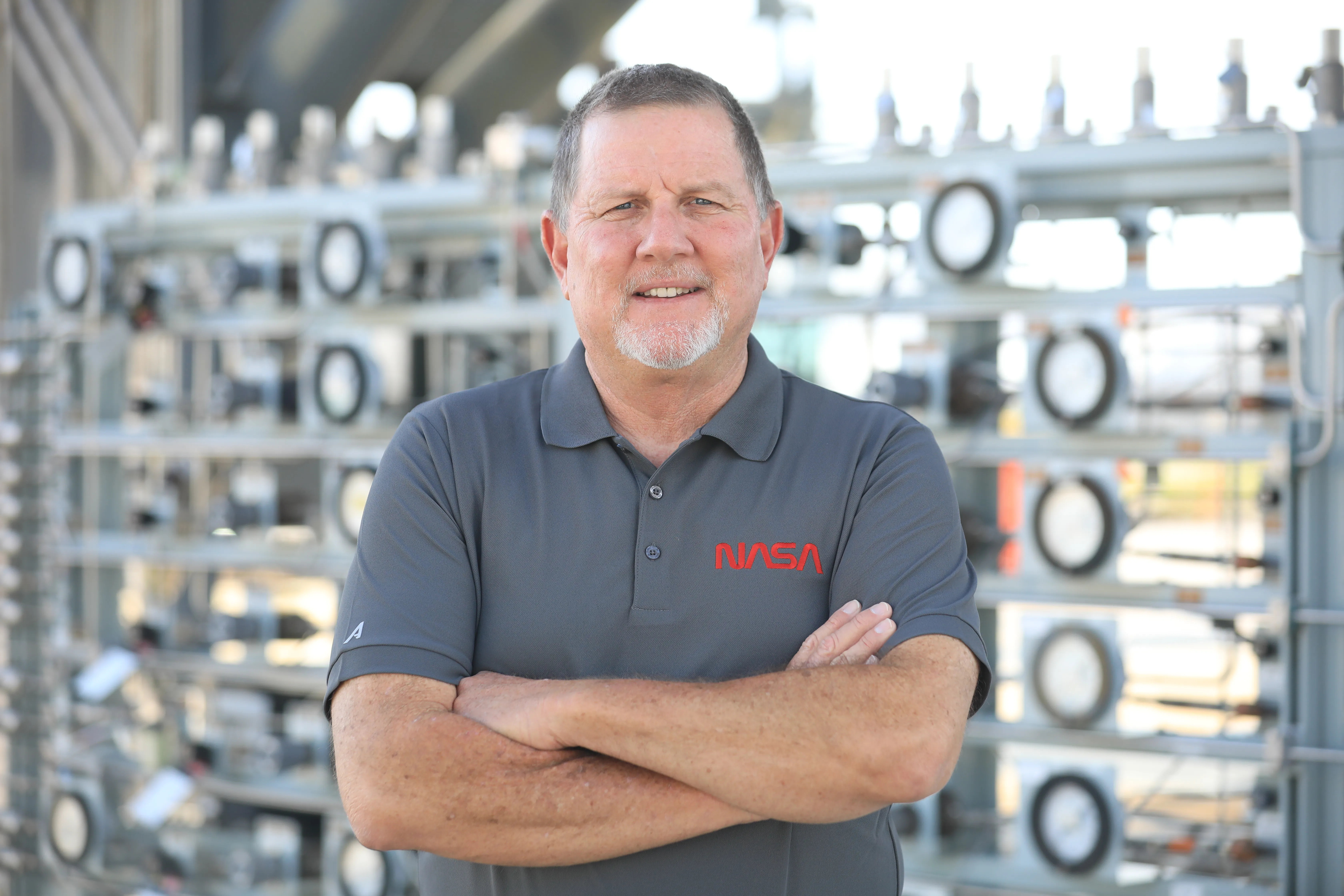
On 4 May 2026, Kenny Heckle and 19 colleagues at NASA’s Kennedy Space Center were officially transitioned from contractor status to civil servants. The change applies specifically to the Launch Equipment Test Facility (LETF) team, which NASA has designated as a critical capability for the Artemis programme, the Space Launch System (SLS), and future government and commercial missions. The transition was implemented in accordance with the NASA administrator’s workforce directive, aiming to ensure the agency retains direct control over complex engineering and operational challenges.
Heckle, the mechanical operations lead for the facility, has been a fixture at the centre since 1984. Now 61, he began his career at age 19 as a contractor after a colleague at a NASA Exchange party encouraged him to apply, noting his background as the son of a union pipefitter. With seven years of mechanical experience gained from working on his father’s stock cars and subsequent welding training, Heckle joined the LETF, which has provided testing for launch support machinery since the 1970s.
The facility tests ground support equipment for Launch Complexes 39A and 39B, as well as operations at Vandenberg Space Force Base in California. Over the past four decades, Heckle’s team has tested full-scale umbilicals and release mechanisms for numerous programmes. Their work included investigations following the Space Shuttle Challenger disaster in 1986 and the Columbia accident in 2003, where they helped assess damage and develop mitigation strategies for thermal tiles.
In recent years, the team has been integral to the Artemis programme. During the Artemis II wet dress rehearsal and Artemis I, Heckle and his colleagues troubleshooted liquid hydrogen leaks. For Artemis I, the LETF developed a process to slow-fill cryogenics, information that was sent directly to the launch team for implementation. Despite these successes, the team had previously operated as contractors, navigating bureaucratic barriers between outside vendors and NASA.
Since the transition to civil service, Heckle has reported immediate efficiencies in securing supplies and completing work. He noted that removing the layers of contractor bureaucracy has streamlined operations. “If we continue to work together as a team and not have barriers, I think that will be great for the program moving forward no matter what we’re launching,” Heckle said. The move ensures NASA maintains the technical readiness and risk mitigation capabilities required for its most ambitious missions.