NASA Begins Post-Mission Analysis of Artemis II Health and Lunar Data
Data from the Artemis II mission is being analysed to inform future deep-space exploration and lunar surface operations.
NASA science teams have commenced extensive data collection and analysis following the safe splashdown of the Artemis II crew in the Pacific Ocean on April 10. The mission, which saw astronauts Reid Wiseman, Victor Glover, Christina Koch, and CSA astronaut Jeremy Hansen complete a record-setting test flight around the Moon, has provided critical insights into human adaptation to spaceflight and lunar gravity.
Immediate medical assessments were conducted within hours of landing to evaluate how the crew’s bodies adjusted from microgravity to Earth’s gravity. These initial tests included measurements of blood pressure, heart rate, eye health, and motor control. Crew members also navigated a mini obstacle course involving tasks such as lying down, standing up, unfurling a rope ladder, and climbing, allowing researchers to assess physical adaptation in real time.
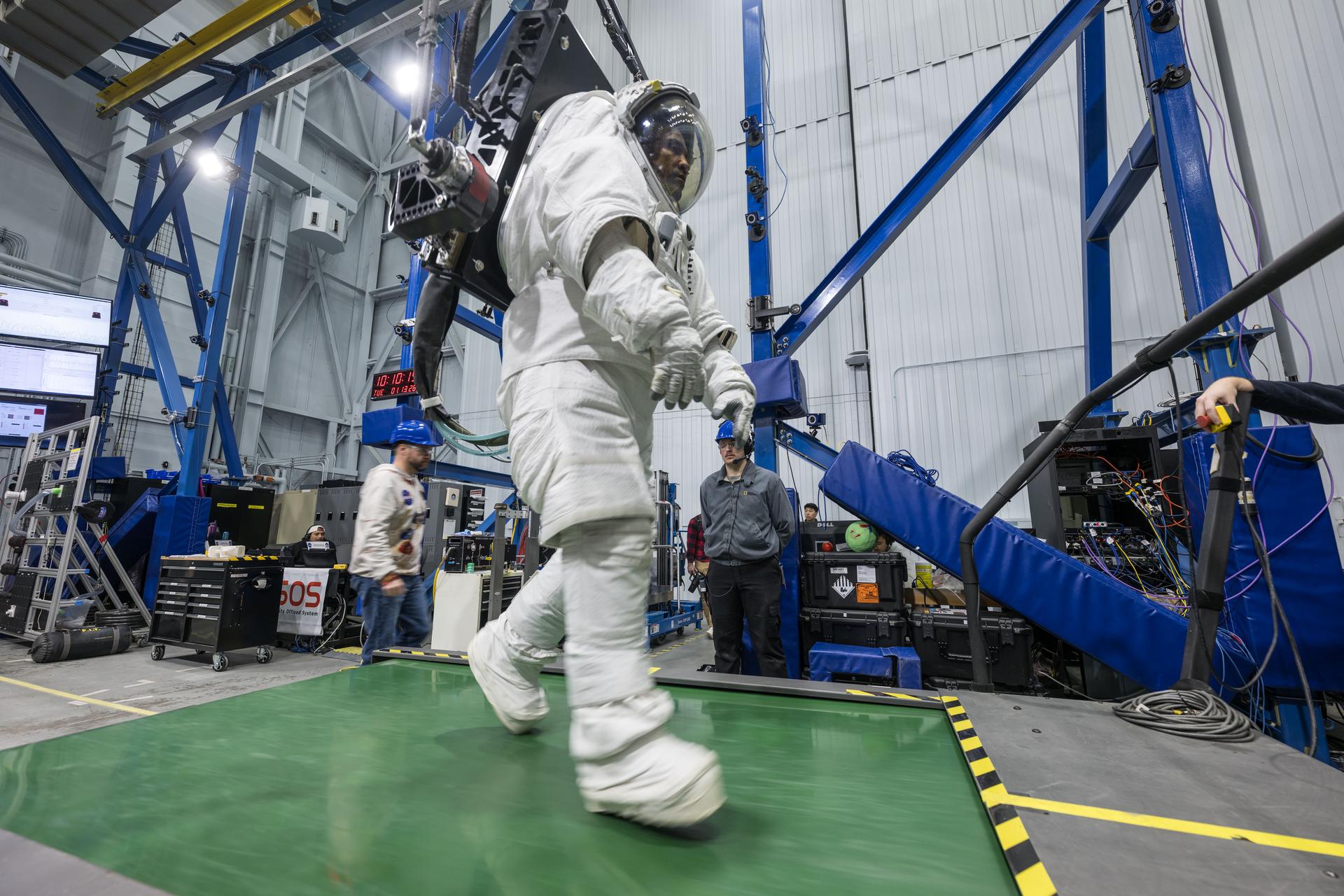
Subsequent evaluations at NASA’s Johnson Space Center in Houston involved the crew completing obstacle courses while wearing spacesuits offloaded to lunar gravity, which exerts roughly one-sixth the force of Earth’s gravity. This data is being analysed to determine how quickly crews can perform mission-critical tasks on planetary surfaces like the Moon or Mars, where landing support personnel may not be available to assist.
Biological sampling is supporting several key investigations, including the Immune Biomarkers study, which compares postflight blood and saliva samples with preflight and in-flight data to investigate the reactivation of dormant viruses. Additionally, the AVATAR (A Virtual Astronaut Tissue Analog Response) investigation is analysing organ chips containing bone marrow cells from each crew member at Emulate’s laboratory in Boston. Using single-cell RNA sequencing, researchers are studying the effects of deep space radiation and microgravity at a molecular level to predict individual crew adaptability for future missions.
Initial data collections for the Artemis II health studies concluded 45 days after splashdown, though medical teams will continue to monitor the crew’s health throughout their lives. The data will be anonymized and made available via NASA’s Life Sciences Data Archive for broader scientific study.
Lunar science observations recorded during the mission are also being processed for public release. On April 6, the crew studied lunar features for nearly seven hours during Orion’s closest approach, guided by a minute-by-minute observation plan. NASA will later this year publish a report on initial interpretations of impact flashes, surface colour variations, and fault and ridge textures via the Planetary Data System.
The agency will also release more than 100 science-related audio recordings with transcripts, alongside approximately 11,500 Earth and Moon image and video files. These records are being converted into standard formats to ensure they are searchable and accessible for future generations of researchers.