NASA Awards Contract to Interlune for Lunar Resource-Seeking Hardware
The $6.9 million Phase III SBIR award aims to validate critical prospecting tools and enhance the self-sufficiency of future deep space missions.
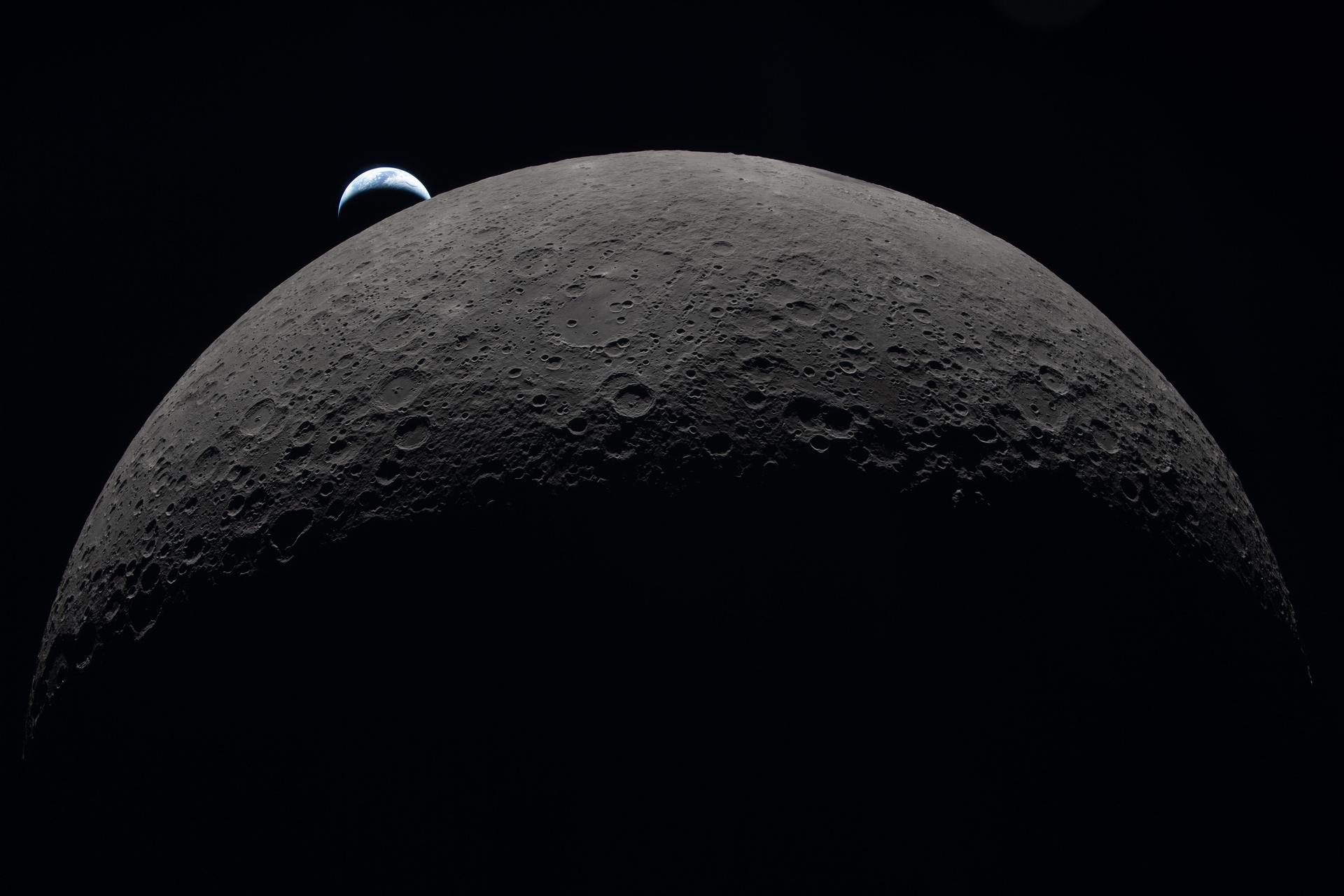
NASA has awarded a firm-fixed-price contract valued at $6.9 million to Interlune, a Seattle-based company, to develop engineering units and flight hardware for extracting resources from the lunar surface. Funded through a Phase III Small Business Innovation Research award, the project will focus on utilising NASA's Mass Spectrometer Observing Lunar Operations technology to validate tools capable of prospecting for hydrogen and helium-3 within lunar regolith.
This initiative supports the broader goal of in-situ resource utilisation, which allows explorers to use materials already present on planetary bodies rather than transporting supplies from Earth. By enabling the extraction of resources such as water ice, minerals, and solar wind volatile gases, these technologies aim to support propulsion, energy production, and life support systems for astronauts living and working in deep space.
Under the new contract, Interlune will design, build, and test hardware that collects lunar regolith samples, sorts particles by size, and measures the concentration of gases released from the soil. The payload incorporates a mass spectrometer inspired by the MSOLO instrument, which was developed at NASA's Kennedy Space Center. This device features a hybrid computer for onboard processing and a calibration gas system that allows for direct adjustments on the lunar surface.
The MSOLO technology has a proven track record, having demonstrated its hardware in actual lunar conditions during the Intuitive Machines 2 mission to the lunar South Pole in 2025. Prior to this contract, Interlune built and tested payload prototypes on parabolic flights that replicated lunar gravity under NASA's Flight Opportunities program, laying the groundwork for this development.
The software for the instrument has already been adapted to interface with four different Commercial Lunar Payload Services lander designs, reflecting its flexibility and increasing applicability to commercial lunar missions. This adaptability ensures that the technology can be leveraged by various industry partners to advance NASA's Artemis program and establish a sustainable presence on the lunar surface.
The award highlights NASA's commitment to maturing transformative technologies so they can be confidently adopted by industry. Through the SBIR program, which supports entrepreneurs and small businesses with fewer than 500 employees, the agency provides funding to build and commercialise technologies that advance its missions. This year's Broad Agency Announcement framework closes on May 21, offering further opportunities for small businesses to propose solutions to important challenges facing the nation.