NASA Armstrong Expands Flight Research Fleet with New Supersonic and Utility Aircraft
The Armstrong Flight Research Center continues its legacy of experimental flight by adding new assets to support research ranging from air pollution monitoring to wildland fire mapping.
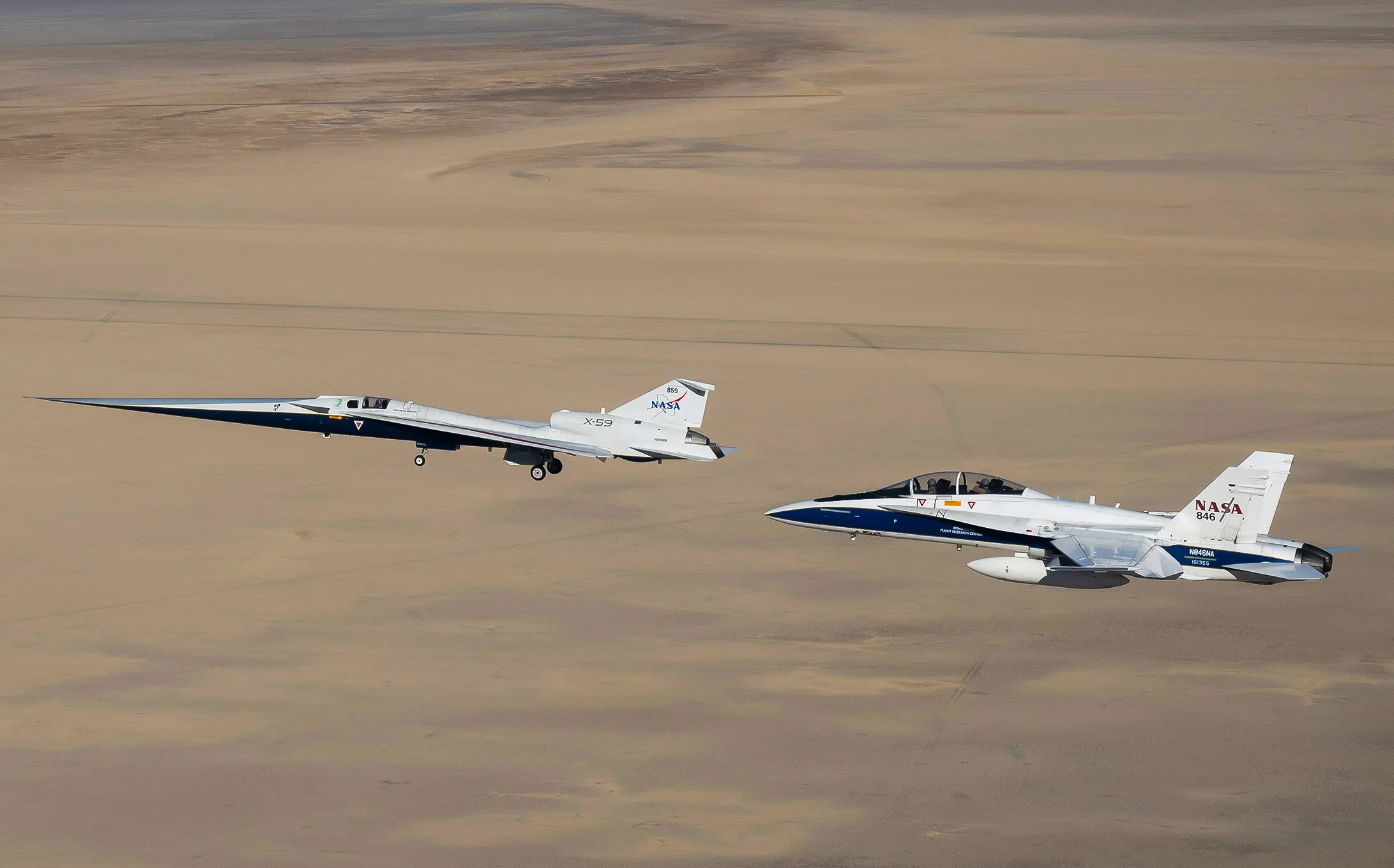
NASA's Armstrong Flight Research Center in Edwards, California, has expanded its operational aircraft fleet this year. The facility added two F-15 supersonic jets, a Pilatus PC-12 utility plane, and a T-34 turboprop trainer to its existing collection of high-performance research vehicles. These acquisitions are designed to bolster the centre's capacity for ongoing aerospace research and airborne science missions.
The newly acquired aircraft will be utilised to support data collection for a variety of critical projects. Research initiatives supported by the expanded fleet include monitoring air pollution levels and mapping wildland fires. By integrating these new assets, the centre aims to enhance its ability to fly scientists and specialised equipment to collect measurements across diverse environments.
Armstrong, located on Rogers Dry Lake, maintains a history of operating unique and specialised aircraft that few other facilities possess. Over the decades, the site has hosted the 747 Shuttle Carrier Aircraft, rocket-powered X-15s, and high-speed F-18 fighters. This diverse inventory allows the centre to transform standard aircraft into research workhorses through custom modifications and in-house machining of rare components.
The facility continues to serve as a hub for worldwide airborne science missions, bringing together scientists from NASA, other government agencies, industry, and academia. Pilots and the airborne science team at Armstrong manage experiments in real time aboard flying laboratories, ensuring that data is collected efficiently where it is needed most.
The centre's roots trace back to 1947, when the Bell X-1 supersonic flight tests were conducted at the site, originally known as Muroc Army Airfield. Since then, the location has evolved through various names, most recently becoming NASA Armstrong in 2014, while maintaining its focus on experimental flight and aeronautics testing.
As the fleet grows, the multidimensional skills of the staff remain the cornerstone of the centre's success. Teams continue to source rare components and modify aircraft to meet the evolving demands of Earth science research and government partners, ensuring that flight research remains a vital tool for scientific discovery.