NASA and SpaceX Target May 12 Launch for 34th Commercial Resupply Mission to International Space Station
The mission, the 34th in the Commercial Resupply Services series, will deliver critical supplies and science experiments to the orbital outpost before returning to Earth in mid-June.
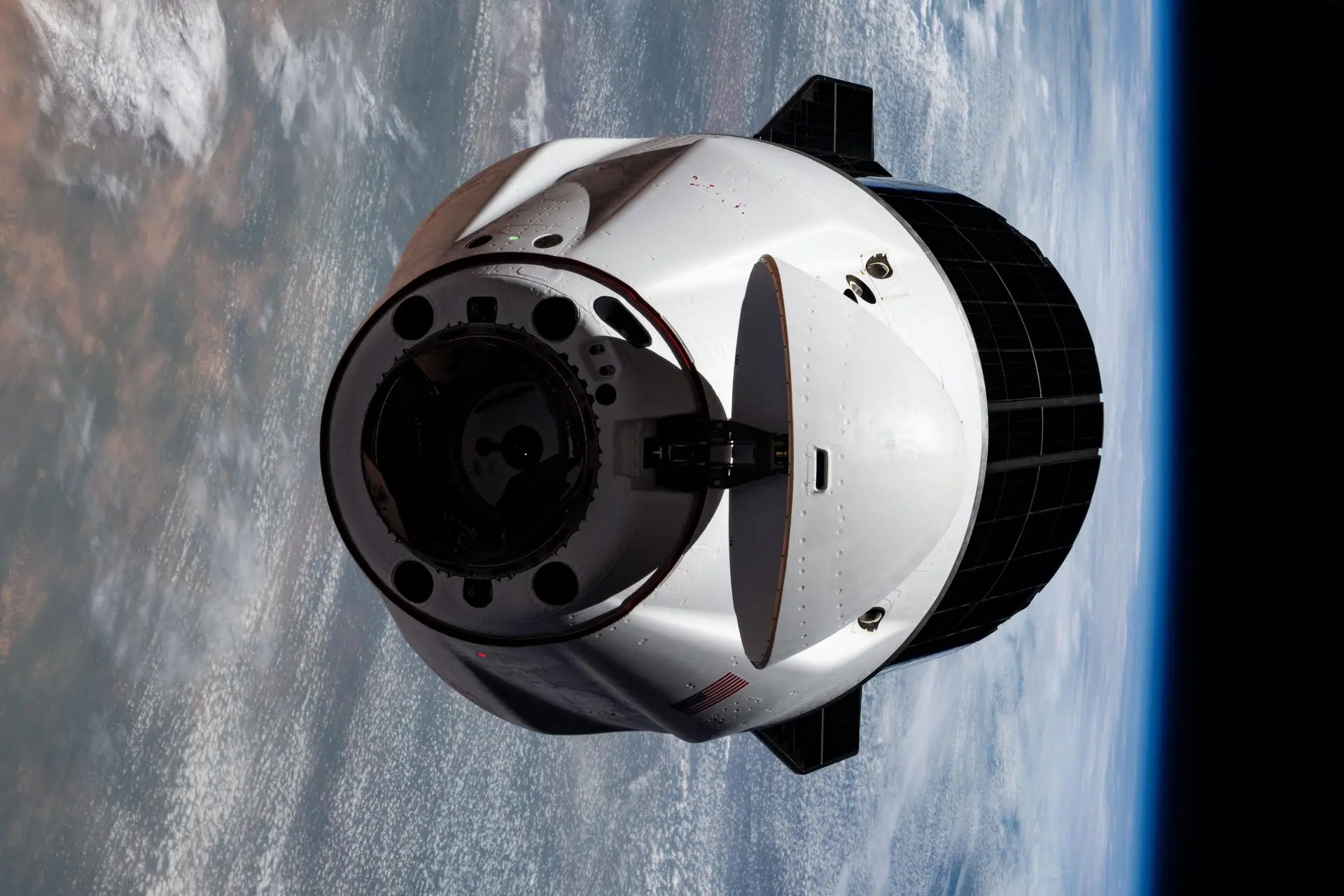
NASA and SpaceX are targeting 7:16 p.m. EDT on Tuesday, 12 May, for the launch of the 34th commercial resupply services mission to the International Space Station. The SpaceX Dragon spacecraft, carrying approximately 6,500 pounds of cargo including science experiments and supplies, will lift off from Space Launch Complex 40 at Cape Canaveral Space Force Station aboard a Falcon 9 rocket.
Upon arrival, the spacecraft is scheduled to dock autonomously at the station's Harmony module on Thursday, 14 May. The capsule will remain attached to the orbital outpost until mid-June before returning to Earth with time-sensitive research. The return journey will see the Dragon spacecraft splash down off the coast of California.
In addition to essential cargo for the crew aboard the space station, the mission will deliver several new scientific investigations. These include a project to determine how well Earth-based simulators mimic microgravity conditions and a bone scaffold made from wood that could produce new treatments for fragile bone conditions like osteoporosis.
The payload also features equipment to evaluate how red blood cells and the spleen change in space to protect future astronauts. Furthermore, the mission carries a new instrument to study charged particles around the Earth that can impact power grids and satellites, an investigation that could provide a fundamental understanding of how planets form. Another instrument is designed to take highly accurate measurements of sunlight reflected by Earth and the Moon.
NASA has established a schedule for public engagement throughout the mission window. Live streaming of the launch coverage is available on NASA+, Amazon Prime, and the agency's YouTube channel starting at 7 p.m. EDT on launch day. Arrival coverage will begin at 8:20 a.m. EDT on 14 May, with members of the public able to register to attend virtually.
All mission coverage times are subject to change based on real-time operations. While the specific date and time for the splashdown upon return to Earth are not yet fixed, the window of mid-June remains confirmed for the spacecraft's departure from the orbiting laboratory.