NASA Ames details key software and hardware roles ahead of Roman Space Telescope launch
With the Nancy Grace Roman Space Telescope set to launch on 30 August, NASA’s Ames Research Center has outlined its development of critical image-processing software and multi-star imaging technology.
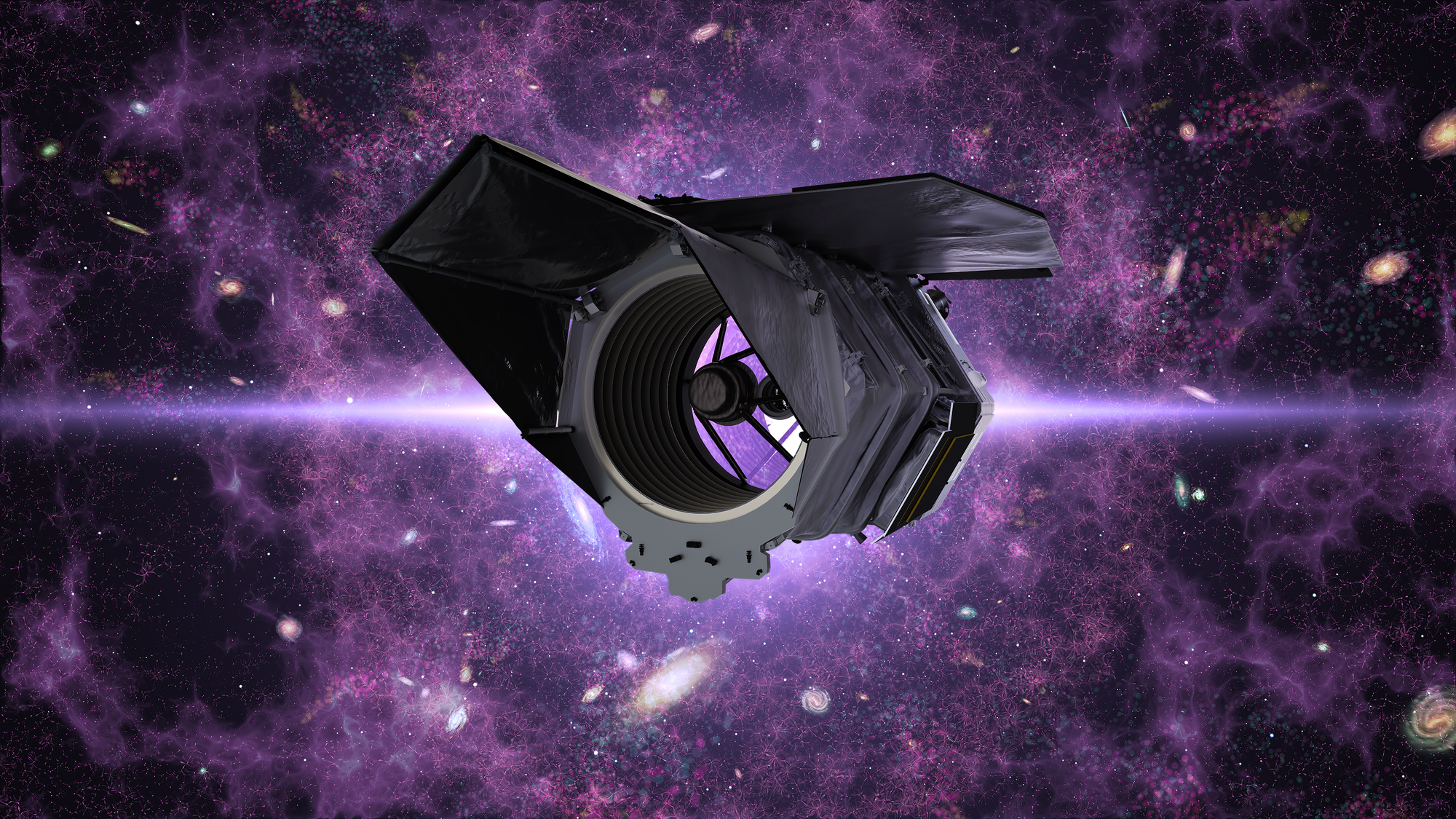
NASA’s Nancy Grace Roman Space Telescope is scheduled to launch on 30 August 2026, marking a significant step in the exploration of dark energy, dark matter, and galaxy formation. Ahead of the mission, researchers at NASA’s Ames Research Center in California’s Silicon Valley have detailed their specific technical contributions, which are designed to enhance the telescope’s ability to capture high-resolution images of the universe.
A primary focus of the Ames contribution is the development of ROSALIA, an acronym for Roman Sky Analyst for Low Surface Brightness Imaging and Astronomy. Developed in collaboration with NASA’s Goddard Space Flight Center and IPAC/Caltech, this software is designed to predict and remove unwanted light from images captured by the telescope’s Wide Field Instrument. By stripping away stray light and zodiacal light, the software aims to expose faint, diffuse emissions at the edges of galaxies, allowing astronomers to better understand cosmic evolutionary histories.
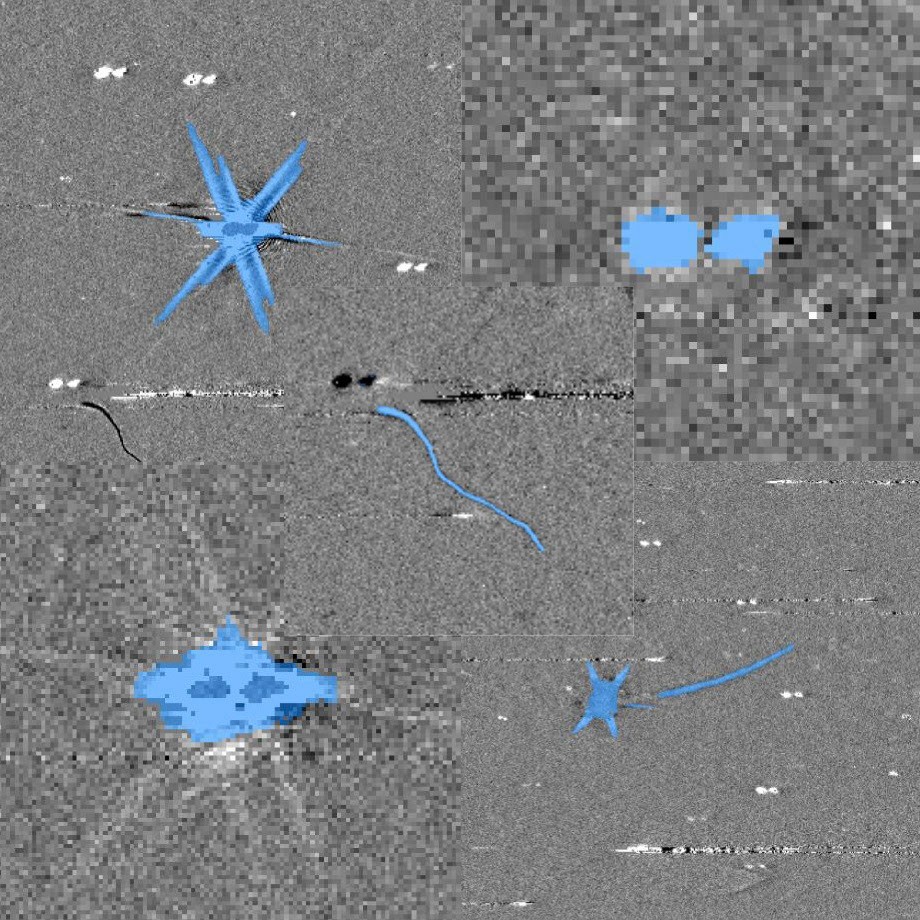
Stray light, which occurs when photons scatter inside the telescope’s optical system, can produce deceptive artifacts that mimic real planets or nebulae. Additionally, zodiacal light, caused by sunlight scattering off interplanetary dust, creates a diffuse background that interferes with observations of the darkest regions of the universe. The ROSALIA software allows astronomers to adjust their observation plans to limit these contaminants, thereby improving the quality of the resulting science data.
Beyond image processing, Ames researchers have developed Multi-Star Wavefront Control (MSWC) technology to support the Roman Coronagraph Instrument. This instrument uses a series of masks and mirrors to suppress starlight, creating a dark zone where the faint reflected light from orbiting exoplanets can be detected. While the baseline operating mode supports observation in single-star systems, MSWC technology includes custom light-blocking masks and software designed to suppress light from multiple stars simultaneously.
This capability is crucial because approximately half of Sun-like stars exist in multi-star systems, such as binary or triple-star configurations. Directly imaging exoplanets in these complex systems will expand knowledge of how planets form and evolve, as well as increase the likelihood of detecting life beyond our solar system. The MSWC masks are included on the flight instrument as an added capability, potentially usable if additional observation time is granted to the coronagraph team after the primary technology demonstration phase.
Among the potential targets for this technology is the Alpha Centauri system, located four light-years from Earth. This triple-star system contains a binary of Sun-like stars orbited by a smaller, dimmer star. Although no exoplanets are currently confirmed around the Sun-like stars, a planet candidate has been identified by the James Webb Space Telescope in the habitable zone of Alpha Centauri A. The Ames MSWC team is working to develop the capabilities needed to observe this system directly.
NASA Ames also provides leadership for the hardware working group under the Roman Coronagraph Participation Program and supports data pipeline operations through its Advanced Supercomputing Division. These experts are bringing extensive experience in mission operations to ensure the reliable performance of ground-based systems, while also collaborating with the MSWC team to develop high-performance computing tools for simulations and feasibility studies.