Myanmar verifies 308,000 Rohingya for return, but civil war complicates repatriation
Naypyidaw has confirmed identities for potential repatriation, yet analysts argue that the ongoing conflict in Rakhine State and the lack of citizenship make a safe return increasingly unlikely.
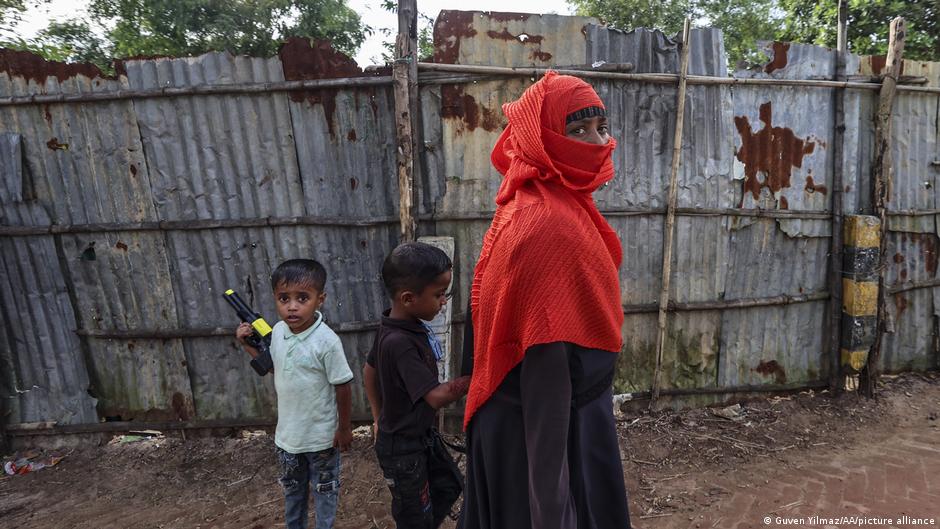
Myanmar’s military-backed government has announced it has verified approximately 308,000 Rohingya refugees in Bangladesh for potential repatriation. The authorities in Naypyidaw stated that these individuals have been confirmed as former residents from a list of 820,000 names submitted by Dhaka. Despite this administrative progress, the government has not yet initiated returns, citing deteriorating security conditions in Rakhine State as the primary barrier to movement.
The announcement comes nine years after the mass exodus of more than 750,000 Rohingya to Bangladesh in August 2017. Analysts suggest that safe repatriation is now less feasible than at any point since that initial crisis. The ongoing civil war, triggered by the 2021 coup, has fragmented control over the region. The military no longer holds authority over much of Rakhine State, where the Arakan Army, an ethnic Rakhine armed group, now controls significant territory, including the northern areas from which many Rohingya originally fled.
A central policy obstacle remains the continued denial of citizenship to the Rohingya. Myanmar does not recognise the group as one of its 135 official ethnic groups, often referring to them as “Bengalis” to imply they are migrants from Bangladesh. Ronan Lee, a researcher at Loughborough University, noted that the government is dominated by the same military that conducted the 2017 deportations, creating a high risk of violence for any returning population. Moe Thuzar of the ISEAS-Yusof Ishak Institute in Singapore agreed, pointing out that even if the authorities wished to facilitate returns, their lack of territorial control makes the process logistically difficult.
Meanwhile, conditions in Bangladesh’s refugee camps are worsening, adding pressure to the situation. The World Food Programme states that food insecurity is now universal across the camps, while UNICEF reported a 27 per cent year-on-year rise in admissions of Rohingya children for treatment of severe acute malnutrition. Rafiqul Islam, a professor at the University of Dhaka, described the camps as facing a “perfect storm” of overcrowding, underfunding, and limited livelihood opportunities, which is pushing refugees toward dangerous sea voyages to other Southeast Asian nations.
The financial strain on the host nation is significant. The UN and Bangladesh have identified a funding requirement of $710 million (€608 million) for 2026 to meet urgent refugee and host-community needs. Currently, only around 60 per cent of this amount has been secured. In response to the crisis, the European Union has allocated €23.4 million in humanitarian funding for Bangladesh this year and announced a separate €14 million development grant via UNHCR in June.
As the administrative process of verification continues, the gap between policy and reality widens. With the economy in Myanmar collapsed and the security landscape in Rakhine State unstable, experts argue that the conditions for a safe, voluntary, and dignified return have moved further out of reach. For now, the Rohingya remain in a state of limbo, unable to return home and facing deteriorating prospects in their temporary shelters.