Myanmar military regime stabilises position amid shifting civil war dynamics
Analysis of recent battlefield gains, the deployment of drone technology, and the strategic implications of the Union Solidarity and Development Party's election victory.
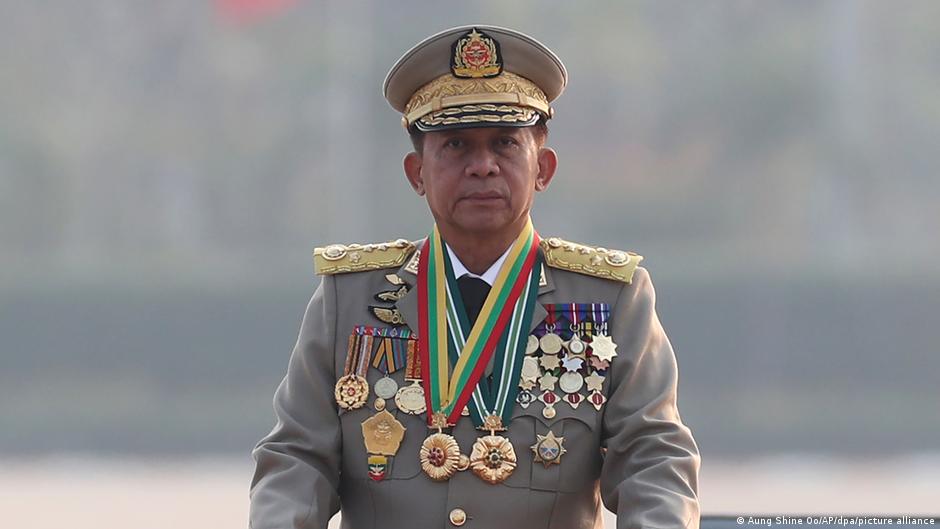
Following five years of intense conflict since the February 2021 coup, Myanmar's military regime has reversed some territorial losses and reclaimed key areas, including vital trade routes with China and Thailand. This shift in momentum is attributed to the deployment of thousands of drones, the recruitment of new conscripts, and significant pressure exerted by China on resistance groups to return seized land. While the regime is no longer in a state of continuous defeat, experts caution that the conflict remains unresolved with resistance groups still controlling much of the country.
Politically, the junta has moved former leader Aung San Suu Kyi to house arrest and secured a parliamentary victory through recent elections, facilitating a re-engagement with the international community. The military-backed Union Solidarity and Development Party (USDP) won the December and January polls, leading to the election of coup leader Min Aung Hlaing as president. This development has enabled the regime to tiptoe its way back onto the global stage, evidenced by official visits from the foreign ministers of Thailand and China.
On the battlefield, the People's Defense Forces (PDFs) are experiencing an accelerating collapse, with increasing defections and a loss of capacity to mount coordinated operations. Major ethnic-minority armies, specifically the Arakan Army and Kachin Independence Army, are also reported to be struggling against the military. Analysts note that while the military is stabilising, particularly in the ethnic-majority Bamar centre of the country, it has only regained a fraction of the ground lost since the coup.
The strategic landscape has been further altered by the role of external actors and internal fractures within the opposition. China has actively pressured larger armed groups to hand back territory and cease selling weapons to opposing factions. Meanwhile, the fragmentation of resistance groups means they are too divided to pose a fatal threat to the military, yet they are unlikely to face a definitive defeat any time soon.
Despite recent gains, the overall level of fighting remains far higher than before the civil war broke out, with tens of thousands of deaths and more than 3 million people displaced. The regime faces significant structural vulnerabilities, including elite bargaining tensions with the USDP, governance deficits outside core urban areas, and an economy that has not recovered. Experts suggest the seeds for a durable counter-insurgency have been laid, meaning armed resistance to military rule is likely to persist for the foreseeable future.
Ultimately, the military is no longer merely surviving but is incrementally prevailing, though it is not winning in the traditional sense. The conflict has resulted in severe damage to the economy and left the regime internationally isolated, facing numerous allegations of war crimes. While the immediate path ahead for Myanmar looks to be one of resistance in structural decline facing a stabilising regime, the situation remains complex and fraught with uncertainty.