Myanmar Junta Regains Momentum as Conscription Policy Reshapes Civil War
A BBC embedded report reveals how the junta’s 2024 conscription law has shifted strategic balance, while rebels contend with ammunition shortages and enhanced air power.
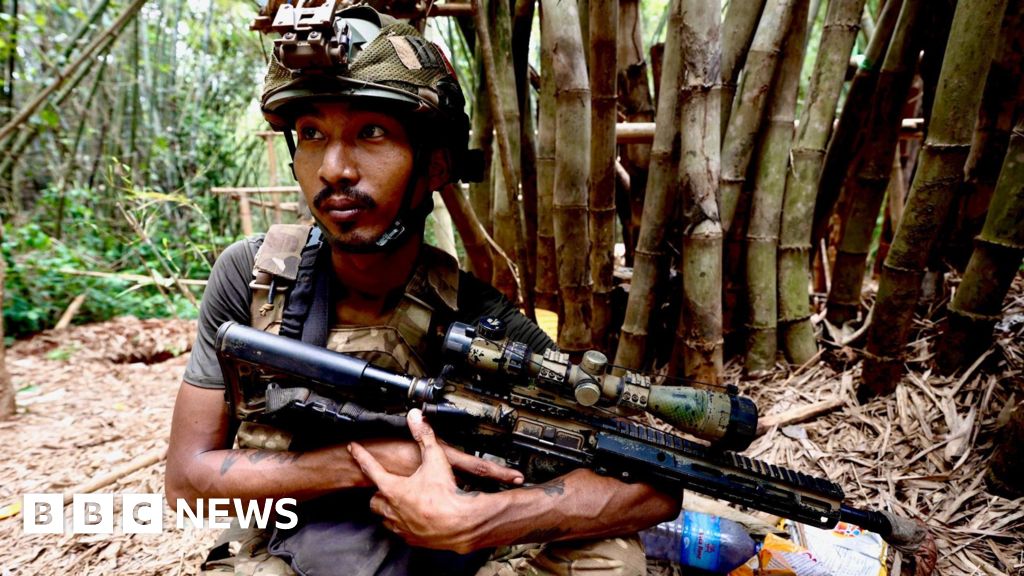
Myanmar’s military junta has regained the strategic upper hand in the ongoing civil war, forcing People’s Defence Force (PDF) and allied rebel groups onto the defensive. This shift in momentum is primarily attributed to the junta’s forced conscription policy, enforced since 2024, which has supplied the military with a vast, albeit often unwilling, manpower pool. While conscripts are reportedly becoming more effective due to strict discipline, rebels face severe operational challenges, including critical shortages of ammunition and weapons, enhanced junta air power bolstered by a security pact with Russia, and supply restrictions linked to ceasefires brokered by China.
The conflict has intensified in border states such as Kachin, Chin, and Karen, with the military retaking key infrastructure, including a vital road connecting Mandalay and Myitkyina in the north. Thousands of soldiers are advancing to re-establish control over these regions, where resistance forces, once on the offensive following sweeping gains two years ago, are now bracing for significant pressure. The military still controls less than half the country, but its ability to mobilise large numbers of troops has altered the tactical landscape.
Ko Kaung, a PDF battalion commander, identified forced conscription as the primary challenge for resistance fighters. He noted that while the military possesses limitless manpower, rebels face constrained resources and limited funds, making recruitment and sourcing components difficult. In Karen state, Ko Kaung’s forces now face the prospect of up to 2,000 advancing soldiers and persistent drone surveillance over captured positions, highlighting the disparity in operational capacity.
Rebel commanders report that junta conscripts, though reluctant, are improving as fighters due to their ability to follow orders. Da Wa, a PDF commander in Karen state, observed that the military’s air capabilities have improved since a security pact with Russia, with aircraft now deploying in pairs rather than singly. This increase in air power, combined with a growing drone threat, has forced rebels to seek cover frequently and limits their ability to hold captured bases against overwhelming artillery and airstrikes.
Compounding these military disadvantages are supply restrictions and internal resource deficits. Kyar Soe, a platoon commander injured by a landmine, cited severe ammunition shortages that have forced fighters to conserve bullets during engagements. Meanwhile, medical facilities in rebel-held areas operate on shoestring budgets with limited equipment, yet continue to treat the wounded and support the families of combatants, underscoring the human cost of the prolonged conflict.