MV Hondius Denied Port Entry as WHO Oversees Offshore Evacuation Amid Andes Virus Outbreak
High-risk passengers and crew are to be screened and transferred directly to aircraft in a tightly controlled operation scheduled between Sunday and Monday.
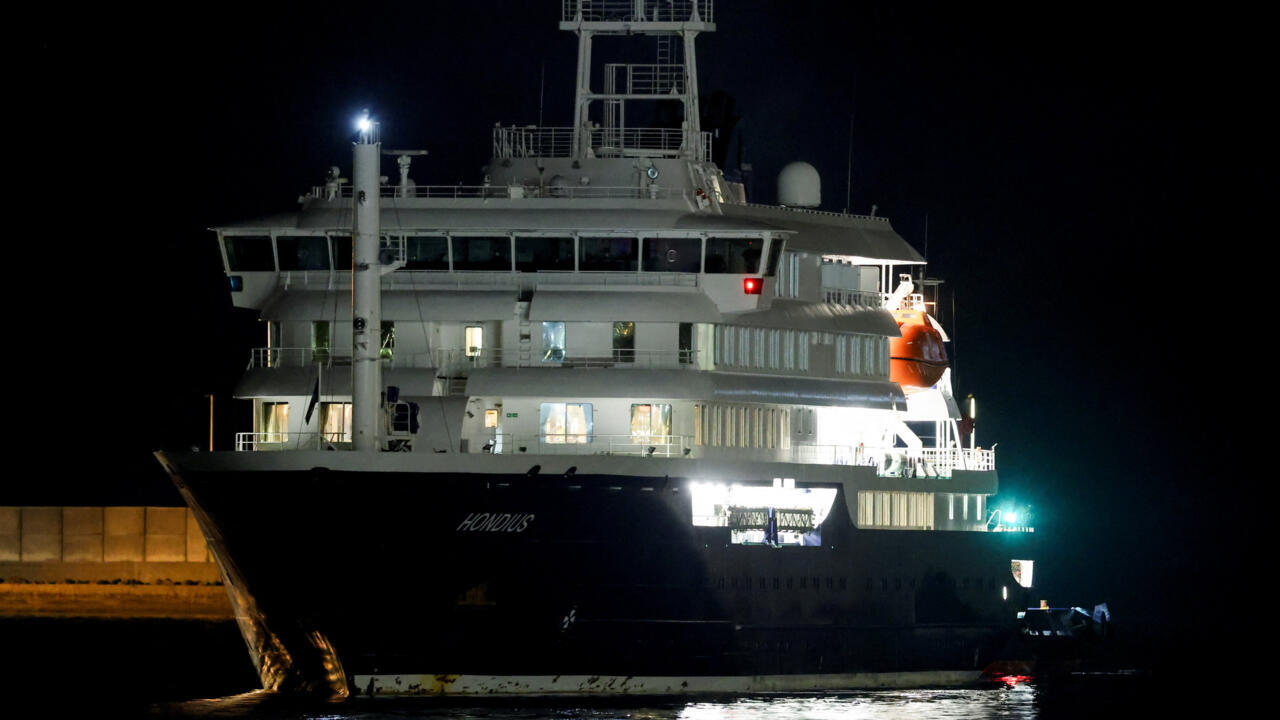
The Dutch-flagged cruise ship MV Hondius arrived near the port of Granadilla in Spain's Canary Islands early on Sunday, 10 May 2026, following a deadly outbreak of the Andes virus. Three passengers have died, while others remain ill, prompting Spanish authorities to deny the vessel entry into the port. Under the oversight of the World Health Organization, officials are executing a tightly controlled offshore evacuation of nearly 150 high-risk passengers and crew members.
The operation is constrained by weather conditions, with the evacuation scheduled to take place between Sunday and Monday. Cruise operator Oceanwide Expeditions confirmed that all guests and a limited number of crew members are expected to begin disembarking around 0700 GMT. Once screened, these individuals will be transferred immediately to allocated aircraft without the ship entering the port, ensuring the vessel remains offshore while the transfer occurs.
WHO Chief Tedros Adhanom Ghebreyesus arrived in Spain on Saturday to oversee the response, issuing an open letter to the people of Tenerife to reassure them that the situation does not pose a comparable threat to the previous pandemic. He stated clearly that "This is not another Covid," expressing confidence that the operation would succeed. WHO director Maria Van Kerkhove classified everyone on board as a high-risk contact, though she maintained that the risk to the general public remains low.
Despite the maritime exclusion zone in force around the vessel, daily life in Tenerife appeared largely normal on Sunday morning. Residents were observed swimming, shopping at markets, and dining at cafe terraces. Regional authorities insisted there would be no contact with the local population, with all areas passengers pass through being sealed off to prevent any spread of the disease.
The confirmed virus strain is the Andes virus, the only type of hantavirus capable of person-to-person transmission. This confirmation has fuelled international concern, particularly regarding secondary cases. A flight attendant on the Dutch airline KLM who contacted an infected passenger tested negative, although a woman on the same flight who developed symptoms is currently in isolation in a Spanish hospital. Two Singapore residents who tested negative remain in quarantine.
The MV Hondius departed Ushuaia, Argentina, on 1 April for a cruise across the Atlantic to Cape Verde, where three infected individuals were evacuated earlier in the week. Health officials in Madrid have stated there is an almost zero chance the Dutch man linked to the outbreak contracted the disease in Ushuaia based on the virus's incubation period. Authorities in several countries are currently tracking passengers who have already disembarked and anyone who may have come into contact with them.