Mutual claims of leverage define standoff in Iran-US war negotiations
Diplomatic channels remain active as Washington and Tehran maintain public assertions of holding the upper hand in the conflict
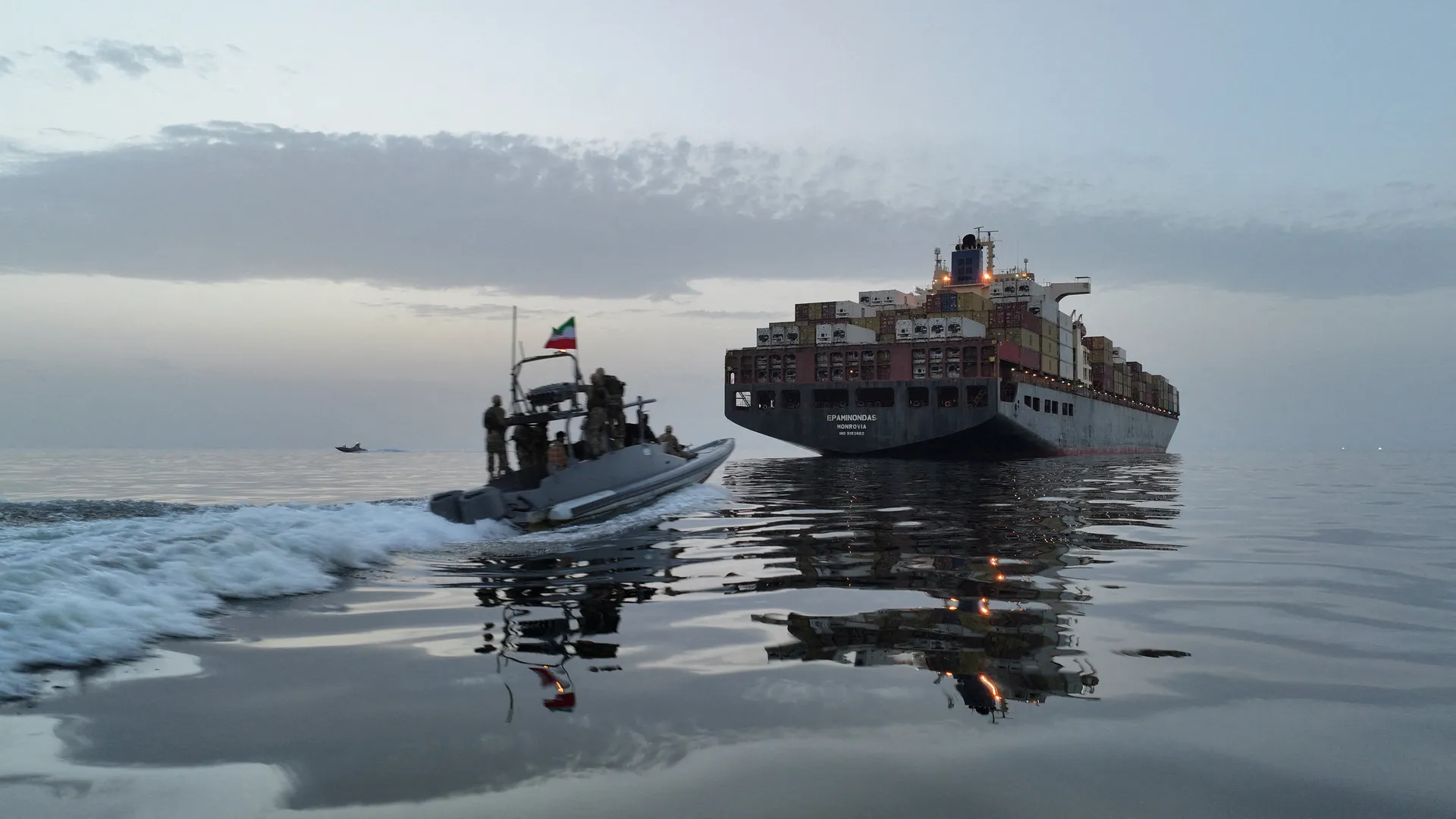
Ongoing negotiations between the United States and Iran concerning the war are characterised by a public standoff in which both nations assert they hold the upper hand. According to reporting from Al Jazeera, neither side has conceded leverage in the current discussions, leaving the specific power dynamic unverified by independent assessment.
The broader context involves high-stakes security and diplomatic tensions between the two nations, yet the specific terms, progress, or potential outcomes of the negotiations remain undisclosed in available reports. This lack of detail means the current understanding of the power dynamic relies entirely on the public assertions of both parties rather than an objective factual reality.
Federal investigators have confirmed that a gunman who breached security at a US press gala intended to assassinate President Donald Trump and several top officials. Security for the event is now under increased scrutiny, a development that has heightened regional security concerns contemporaneous with the diplomatic efforts.
King Charles proceeds with a state visit to the United States amid this heightened security context, marking a significant diplomatic movement in the region. While unrelated to the core negotiations, the concurrent state visit and the confirmed assassination attempt underscore the complex security environment surrounding high-level interactions between nations.
The assertion that both sides hold the upper hand is inherently contradictory and likely reflects political posturing rather than a verified state of affairs. Consequently, the situation is framed as a mutual claim of advantage where neither party appears willing to concede leverage, rather than a confirmed strategic dominance.
Uncertainties persist regarding the actual balance of power, as the retrieved material lacks specific details on the war's nature or the specific issues being negotiated. Without independent verification, the narrative remains one of mutual assertion, with the possibility that the claims reflect strategic signalling rather than tangible bargaining strength.