Museveni sworn in for seventh term as Uganda confronts succession and economic pressures
Despite acknowledging significant economic growth and stability over four decades, Yoweri Museveni’s new term is shadowed by shrinking civic space, high youth unemployment, and uncertainty regarding his eventual successor.
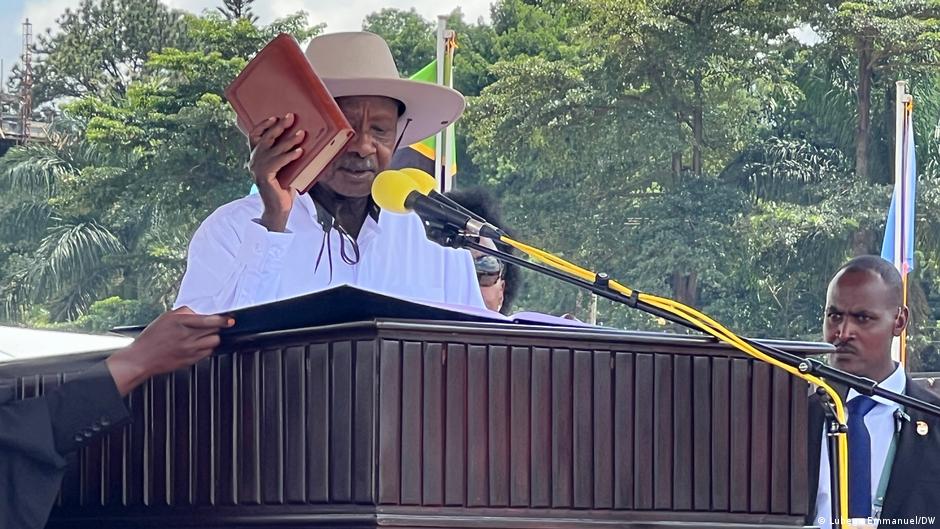
Yoweri Museveni was sworn in for a seventh term as President of Uganda on Tuesday in Kampala, following a January election in which he secured just under 72 per cent of the vote. The inauguration was attended by regional leaders, including heads of state from the Democratic Republic of Congo, Tanzania, Nigeria, and Kenya, underscoring Museveni’s standing in East African diplomacy. However, the ceremony took place against a backdrop of deepening concerns regarding political repression, economic inequality, and the lack of a clear succession plan for the 81-year-old leader.
Observers note that Museveni’s 40-year rule has overseen substantial economic expansion, with the gross domestic product rising from $3.9 billion in 1986 to over $53.9 billion in 2024. The World Bank reports that GDP growth exceeded 6 per cent in 2024, maintaining a trajectory of consistent growth above 3 per cent since the early 1990s. Despite these macroeconomic figures, citizens and experts highlight a disconnect between national growth and public sentiment, with high unemployment among the country’s youthful population remaining a critical challenge.
Uganda’s population has surged from 15.5 million in 1986 to over 50 million in 2024, resulting in a median age of approximately 17. This demographic shift has created significant pressure on the labour market and public services. During his inaugural address, Museveni acknowledged the need for wealth creation and improved service delivery in health, education, and infrastructure. He called for regional unity, suggesting that integrating families into the money economy would generate jobs for the nearly two million refugees currently residing in the country.
Governance issues extend beyond economics, with rights groups and the United Nations warning of a shrinking civic space. Reports cite arrests of opposition figures, media curbs, and tighter controls on civil society. Opposition leader Bobi Wine was photographed using pepper spray before leaving the country, while longtime rival Kizza Besigye was detained pre-election. Furthermore, Parliament has passed strict anti-LGBTQ+ laws and a watered-down Protection of Sovereignty Bill that limits outside funding for political parties, further tightening the political environment.
The most pressing institutional uncertainty concerns the future of power. Museveni has not named a successor, raising fears of a chaotic transition. His son, General Muhoozi Kainerugaba, is considered a potential candidate, though his confrontational style contrasts with his father’s historical approach to political deal-making. Experts argue that Uganda must move away from personality-driven politics toward systems-based governance to ensure stability, warning that a failure to establish a orderly transition could lead to a return to the instability that characterised the nation’s earlier decades.