Murray expands prostate screening trial for black men, rejects universal testing
The Transform trial will invite black men aged 45 to 74, while targeted testing is recommended for those with BRCA2 mutations, following a decision to prioritise evidence over universal screening.
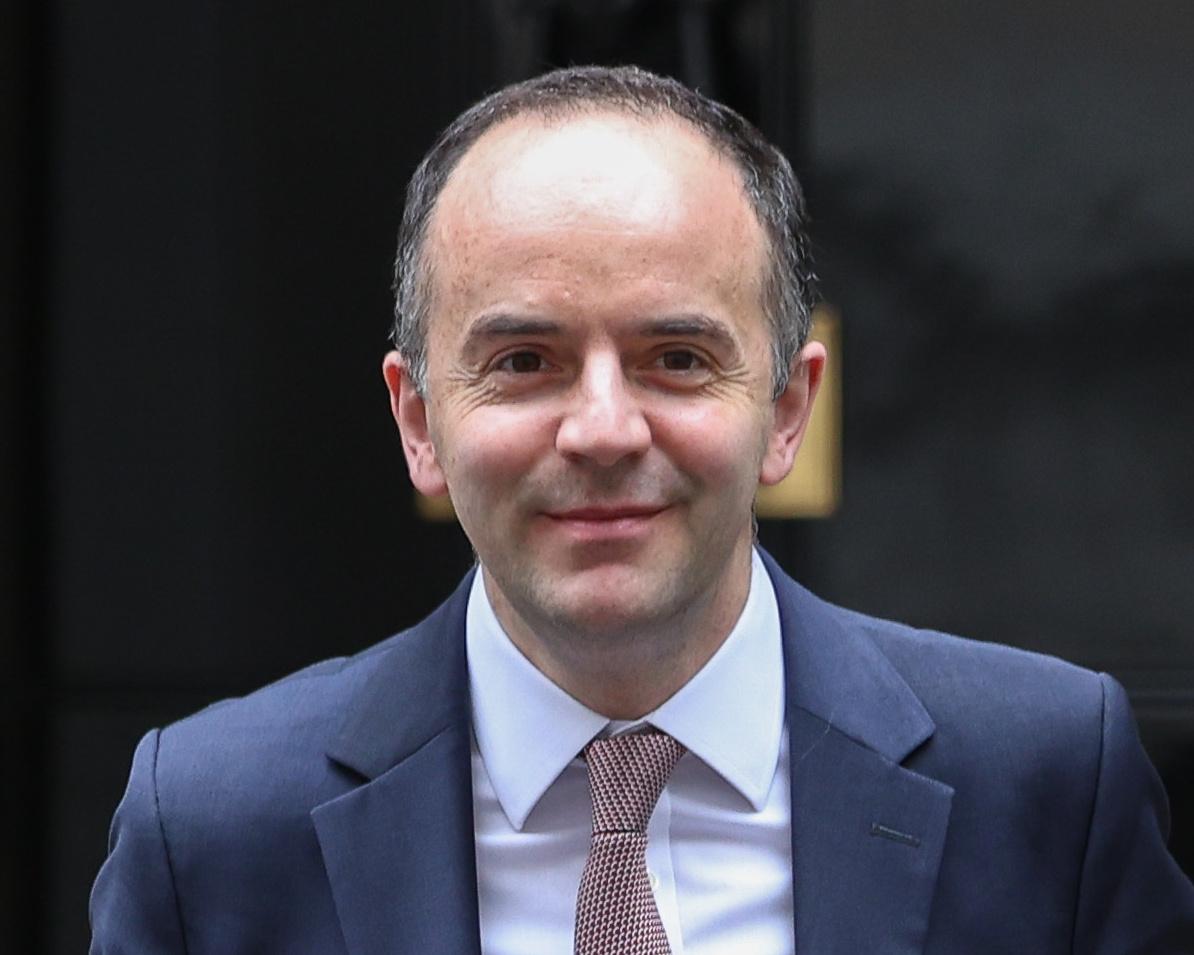
UK Health Secretary James Murray has announced the expansion of the Transform prostate cancer screening trial to include more black men, while explicitly rejecting recommendations for population-wide testing. Murray stated he was “following the science” in declining to back universal screening, a decision that aligns with advice from the UK National Screening Committee (UKNSC). The committee advised against widespread use of the prostate specific antigen (PSA) blood test, citing potential harm and uncertainty regarding whether screening would cause more good than harm for the general population.
Instead, the UKNSC recommended targeted testing for men with BRCA2 genetic mutations who have a family history of breast, ovarian, pancreatic, or prostate cancers. Under these guidelines, such men would be tested every two years between the ages of 45 and 61. Prostate cancer is more common and aggressive in this group, with estimates suggesting that between 21 and 35 of every 100 men with a BRCA2 variant will develop the disease before age 80. It is estimated that a “few thousand” men will be screened annually under these new targeted guidelines.
Murray accepted the UKNSC’s recommendations and allocated £20 million for prostate cancer research and treatment. This funding includes support to expand the Transform trial, which is exploring the most effective methods for testing. While stage one of the study saw black men comprising one in 10 patients, stage two will specifically invite black men aged 45 to 74 who have not had a PSA test or MRI in the past five years. The programme is expected to roll out in 2027.
The decision has drawn criticism from campaigners who argue the government is failing to address health disparities. Nick Jones, a prostate cancer survivor and founder of Soho House, accused the government of “entrenching” injustices by accepting the UKNSC’s recommendation. Jones described the move as a “dereliction of duty” that would cost lives, stating that the current system is unfair and that the government had dismissed engagement with community representatives.
Dr Ian Walker, director of policy at Cancer Research UK, acknowledged the decision would be “disappointing for some” but noted it was consistent with evidence regarding the reliability of the PSA test. Meanwhile, Deputy Prime Minister David Lammy highlighted the personal impact of the disease, noting he has two brothers living with it. Lammy said helping more black men participate in the research was about saving lives and closing deadly inequalities.