Munir’s Tehran visit tests Pakistan’s role in stalled US-Iran mediation
Field Marshal Asim Munir’s third trip to Iran this year arrives as the Islamabad Memorandum lapses and Washington prepares new sanctions, raising questions about the limits of Pakistani diplomatic influence.
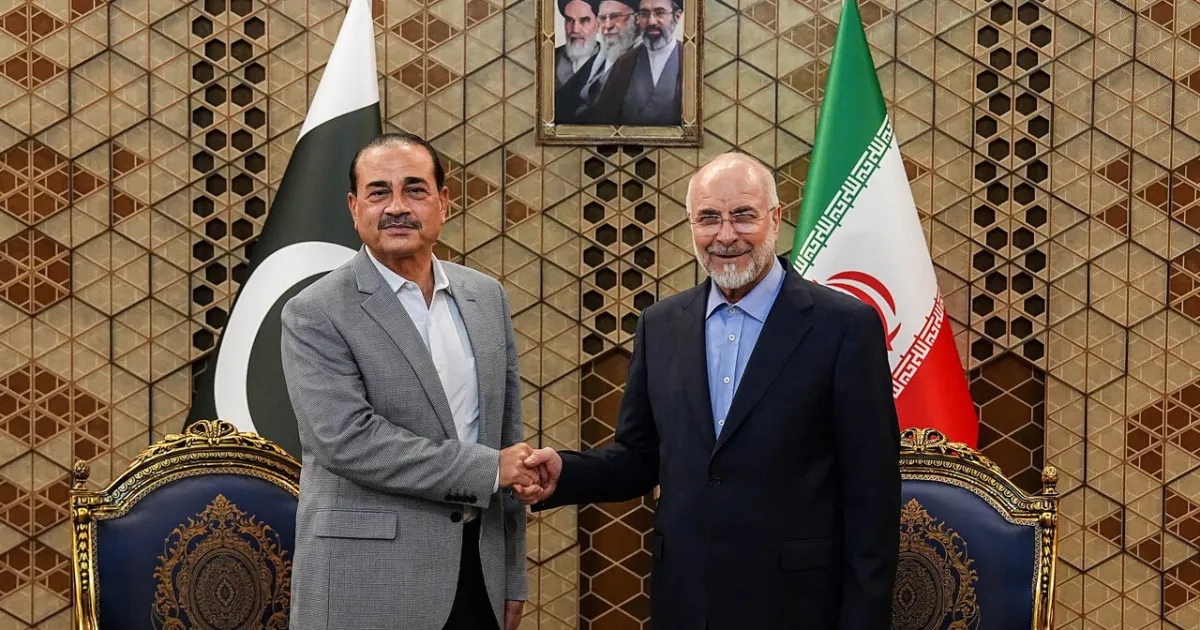
Pakistan’s Chief of Army Staff, Field Marshal Asim Munir, is travelling to Tehran for his third visit this year to hold talks with senior Iranian officials. The trip, announced by Iran’s Foreign Ministry, aims to mediate an end to the war between the United States and Iran, which has stalled following the lapse of the Islamabad Memorandum of Understanding. Pakistani officials confirmed the visit on condition of anonymity, noting that the announcement was unusually made by Tehran rather than Islamabad.
The diplomatic window set out in the Islamabad Memorandum of Understanding, signed by Pakistan, Iran, and the United States on 17 June, lapsed in mid-August without extension. Iran has kept the Strait of Hormuz shut, insisting that Washington first lift its naval blockade, end oil sanctions, unfreeze Iranian assets, and halt military threats. Tehran maintains that the United States has not met these conditions, leaving the mediation track largely stalled.
Munir’s visit coincides with the announcement of new US sanctions against Iran, described by American officials as the “toughest in history.” US Treasury Secretary Scott Bessent is scheduled to detail the package, which is intended to apply economic pressure alongside the continuing naval blockade. The timing places significant weight on Munir’s ability to offer a viable path forward for both sides.
Discussions in Tehran are expected to cover regional security, the Mecca Joint Defence Agreement, and Houthi attacks on shipping. The issue carries particular weight for Islamabad after three Pakistani sailors were killed when Houthi forces struck a Tanzania-flagged commercial vessel in the Bab al-Mandeb Strait on 11 August. Munir is also expected to meet Iran’s newly appointed senior military leadership, including Major-General Ahmad Vahidi, Major-General Ali Abdollahi, and Mohsen Rezaei.
Analysts remain divided on what the visit can realistically achieve. Some argue that Pakistan’s lack of a personal stake in the outcome allows it to offer a neutral off-ramp, while others contend that Qatar remains the primary political channel. A retired Pakistani general described Munir as carrying Washington’s own offer to Tehran, suggesting Pakistan remains the most trusted conduit available.
The visit follows a month of regional realignment, including the signing of the Mecca Joint Defence Agreement by Pakistan, Saudi Arabia, and Turkiye. Oman’s Foreign Minister is also scheduled to visit Tehran on Tuesday, indicating that multiple regional mediators are actively working to revive talks. Whether Munir’s engagement can translate into concrete movement on the Strait of Hormuz or broader de-escalation remains to be seen.