Mughal Brothers' Tragic Deaths Highlight Enduring Accountability Gaps in Kashmir Security Policy
The killing of Rashid Mughal during an alleged encounter has reignited community distrust, with a magisterial inquiry ordered but no report published after nearly a month.
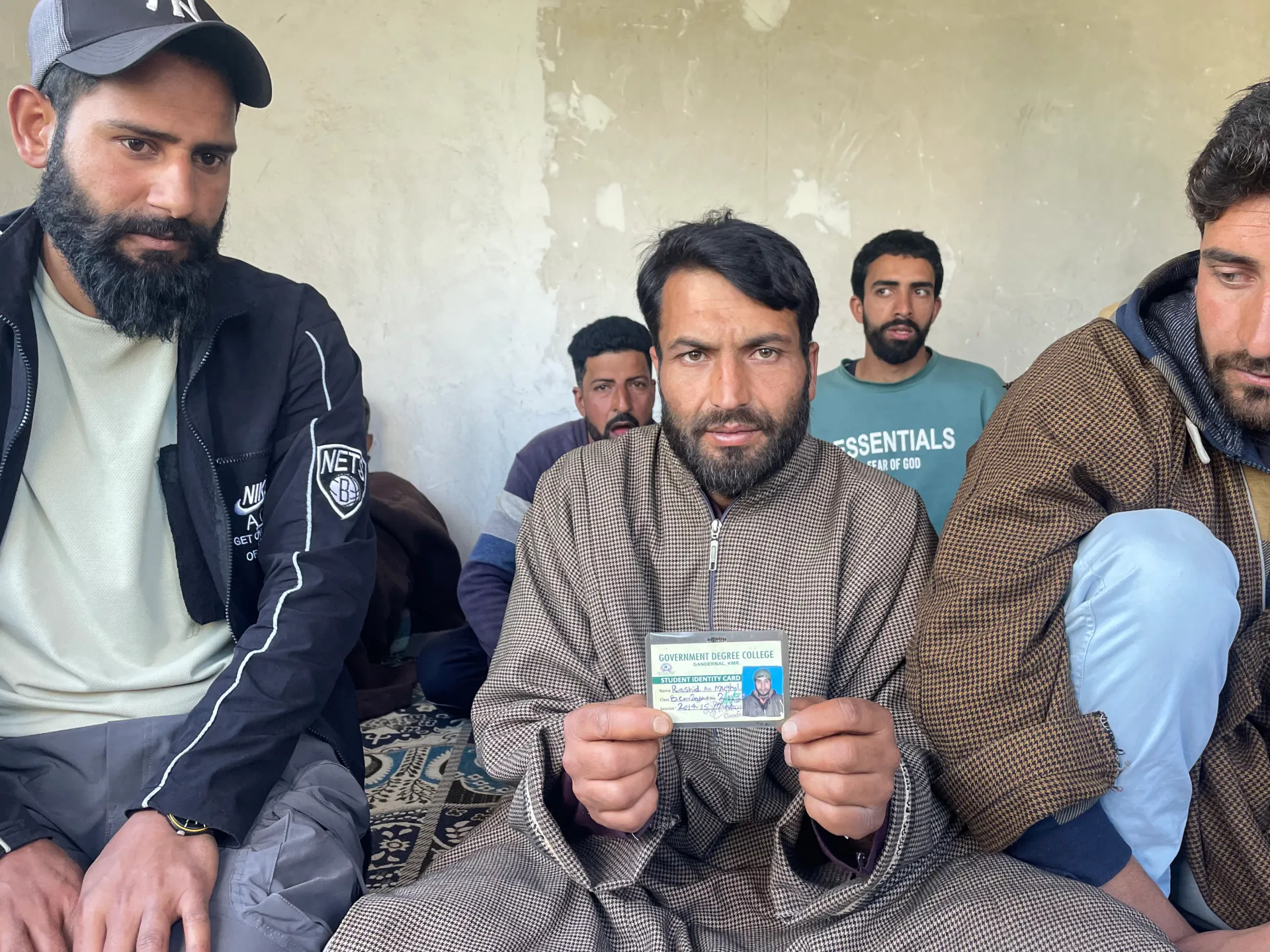
In Indian-administered Kashmir, the Mughal family has endured a cycle of loss spanning 26 years, marked by the deaths of two brothers at the hands of opposing forces. Ishfaq Mughal, 23, was shot dead by armed rebels in January 2000 while employed by the Indian army, with his body never recovered. Two decades later, his younger brother Rashid, 32, was killed by the Indian army in March 2026 during an alleged encounter in the Arahama area, a sequence of events that encapsulates the region's prolonged instability.
While the army maintains that Rashid was a rebel killed in an exchange of fire, the family and local residents allege the incident was a staged extrajudicial killing. Rashid, a commerce graduate who assisted his illiterate community in accessing government documents, reportedly had no adverse police records and had never been summoned for questioning. His brother Ajaz identified the body, noting that the clothing found on Rashid did not belong to him and that his face had been mutilated, likely to obscure his identity.
The handling of the deceased has further strained relations between the community and security forces. Rashid's remains were buried 80km away in a graveyard designated for alleged rebels in the town of Kupwara, a practice intended to prevent street protests. Authorities permitted only Ajaz to attend the funeral, while the Mughal family has since prepared a separate grave in their own village, rejecting the army's decision as a continuation of policies that marginalise the Gujjar community.
A magisterial inquiry into Rashid's death was ordered by the New Delhi-appointed governor, yet no report has been published after nearly a month. A police official speaking on condition of anonymity stated that the decision to return the body to the family would depend on the outcome of this inquiry. This delay mirrors a broader pattern where investigations into rights violations often stall, with data from the Jammu Kashmir Coalition of Civil Society indicating that at least 108 cases between 2008 and 2018 resulted in probes but no prosecutions.
The incident occurs against a backdrop of heightened scrutiny regarding security operations since the 2019 revocation of Article 370. Since that policy change, at least 11 Gujjars have been killed in suspected extrajudicial encounters, and more than 10 have suffered serious injuries allegedly due to torture. Human rights experts argue that the current legal framework, including the Armed Forces (Jammu and Kashmir) Special Powers Act, creates a culture of impunity that shields security forces from accountability, thereby exacerbating tensions in a disputed territory.
Despite conflicting narratives from the army and the family, the lack of a timely inquiry report leaves the Mughal family and the wider community in a state of limbo. As the region continues to grapple with the legacy of decades-long conflict, the unresolved status of these deaths serves as a stark reminder of the deep-seated grievances and the urgent need for transparent governance in the administration of the territory.