MSF admits systemic failures in Chad as internal probe reveals staff exploitation of refugees
Doctors Without Borders has dismissed 18 staff members after an internal report detailed how local and foreign employees traded food aid and jobs for sex with vulnerable Sudanese refugees in eastern Chad.
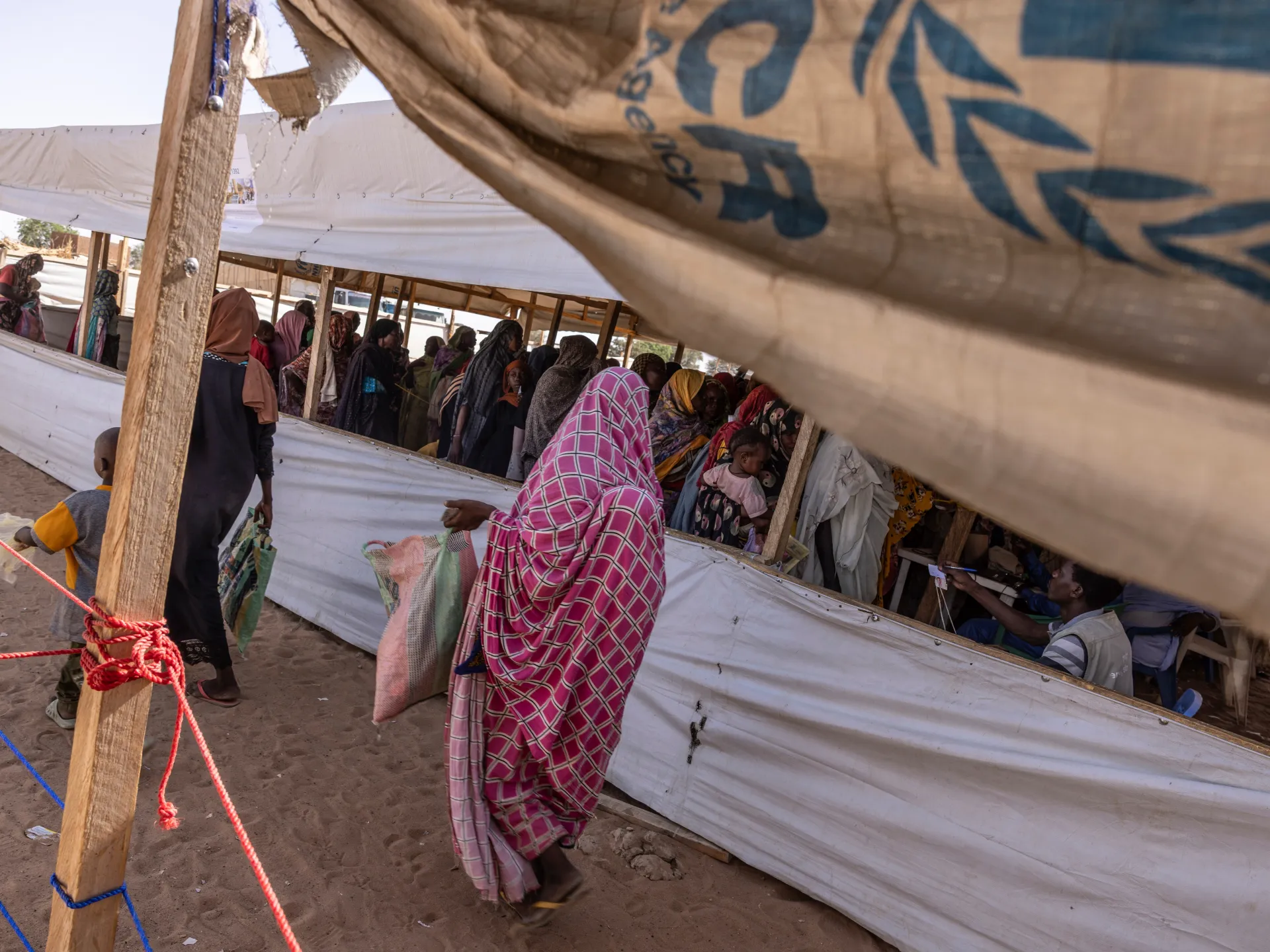
Doctors Without Borders (MSF) has released the findings of an internal investigation confirming that local and foreign staff exploited refugees in Chad, with allegations ranging from sexual harassment to the prostitution of underage girls. The aid organisation acknowledged 59 specific allegations of misconduct, resulting in the dismissal of 18 staff members who have been barred from future employment with the group.
The internal report, which was completed last July, was made public following an Associated Press investigation published in November 2024. That earlier report highlighted how Sudanese women seeking refuge in Chad were being offered jobs and assistance in exchange for sex by aid workers and local security forces. MSF described the findings as a candid analysis of where its systems had failed, stating that the incidents represented a serious breach of the organisation’s values and responsibilities.
The scale of the crisis in eastern Chad, where hundreds of thousands of Sudanese people have been displaced by a civil war now in its fourth year, created a complex environment for aid delivery. MSF, one of the largest organisations responding to the displacement, noted that it had allocated extra resources to prevent abuse, including staff training. However, the report concluded that these measures did not have a lasting impact on the ground.
Specific details within the report outlined severe incidents of exploitation. In one instance, seven refugee girls, allegedly hired as daily workers, were transported in an MSF vehicle under the pretence of going to water distribution and construction sites. Instead, they were taken to a different location where they were exposed to sexual abuse and requests for sex. The organisation admitted that due to the high mobility of the refugee population and the sheer scale of the crisis, it could not trace every individual involved in the abuses.
Survivors often remained silent during the investigation due to fear that speaking out would jeopardise their access to essential aid. The report found that those who did speak up did not always receive subsequent support. MSF stated it is now improving its abuse prevention and detection methods through confidential reporting channels, while acknowledging similar historical allegations during the 2021 Ebola outbreak in the Democratic Republic of the Congo.