Mozambique opposition accuses state of orchestrating political assassinations
Critics allege state-backed death squads are targeting dissent, while the ruling FRELIMO party denies involvement in the wave of violence.
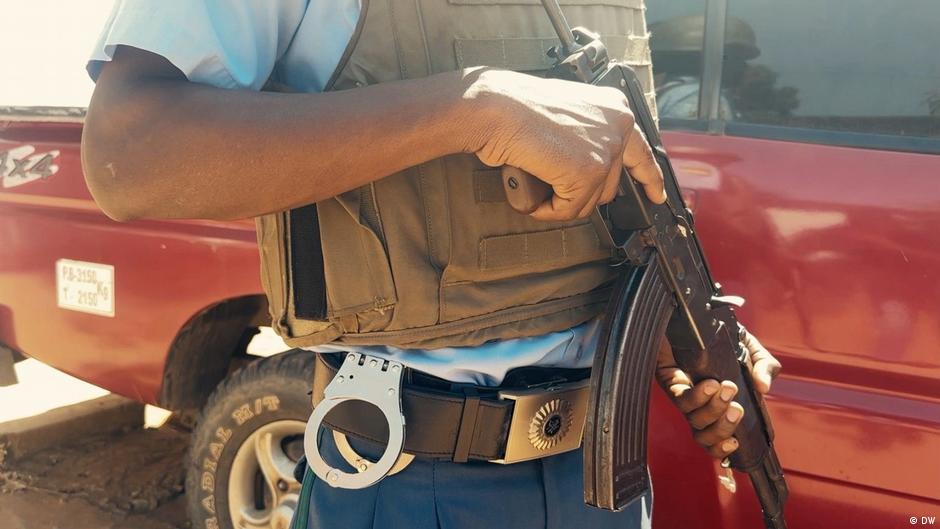
Mozambique is grappling with a sharp escalation in political violence, with opposition figures and civil society organisations alleging that state-backed death squads are systematically targeting critics of the ruling FRELIMO party. The accusations have intensified following the recent killings of two ANAMOLA party members, prompting calls from the Mozambican Bar Association for independent investigations into what it has described as a serious attack on life and democracy.
The violence has disproportionately affected the National Alliance for a Free and Autonomous Mozambique (ANAMOLA), a party founded by Venancio Mondlane in August 2025 following disputed general elections. Mondlane reports that 56 party members have been killed since its establishment, alongside 436 recorded incidents of violence including assaults and arson. He has accused the government, judiciary, and security forces of being complicit in these murders, stating that evidence submitted to authorities has so far yielded no consequences.
Recent high-profile incidents include the shooting death of Anselmo Vicente, ANAMOLA’s coordinator in Chimoio, Manica province, on 9 May 2026, and the killing of member Pedro Chauke in Gaza province on 15 May 2026. Witnesses described the perpetrators as ruthless and professional, fueling claims that the attacks are politically motivated rather than random criminal acts.
The Mozambican government has firmly denied these allegations. Dias Letela, spokesperson for the FRELIMO parliamentary group, characterised the incidents as isolated criminal cases that should be addressed through the judicial system. FRELIMO, which has held power since independence in 1975 and currently occupies 171 of 250 parliamentary seats, maintains that it is distancing itself from the killings and that those responsible will be brought to court.
However, civil society groups argue that the state’s inability to solve these cases points to deeper institutional complicity. Wilker Dias, spokesperson for the DECIDE NGO, accused the government of controlling the judiciary and prosecutor’s office, hindering any meaningful investigation. He described the situation as a criminal state where death squads are deployed to spread fear and discourage political participation.
The Mozambican Bar Association (OAM) has issued a formal statement condemning the violence, noting that the state appears unable to guarantee the security of its citizens. The organisation called for truly independent investigations, signalling growing resistance within traditionally government-aligned institutions. Meanwhile, nervousness is spreading among other opposition parties represented in parliament, including PODEMOS, RENAMO, and MDM, as concerns about systemic political intolerance grow.
Judite Macuacua, an MDM politician, described the situation as a systemic problem where critical voices are ruthlessly suppressed. Adriano Nuvunga, director of the Centre for Democracy and Human Rights, echoed these concerns, arguing that the current climate reflects a criminal state rather than mere democratic deficit. He asserted that the attacks are state-organised efforts to destroy the opposition and maintain control over political discourse.