Mourinho returns to Real Madrid amid Perez’s confrontational media strategy
Jose Mourinho is set to end his 13-year absence from Real Madrid, returning to a club defined by a fractured dressing room and two consecutive seasons without major trophies.
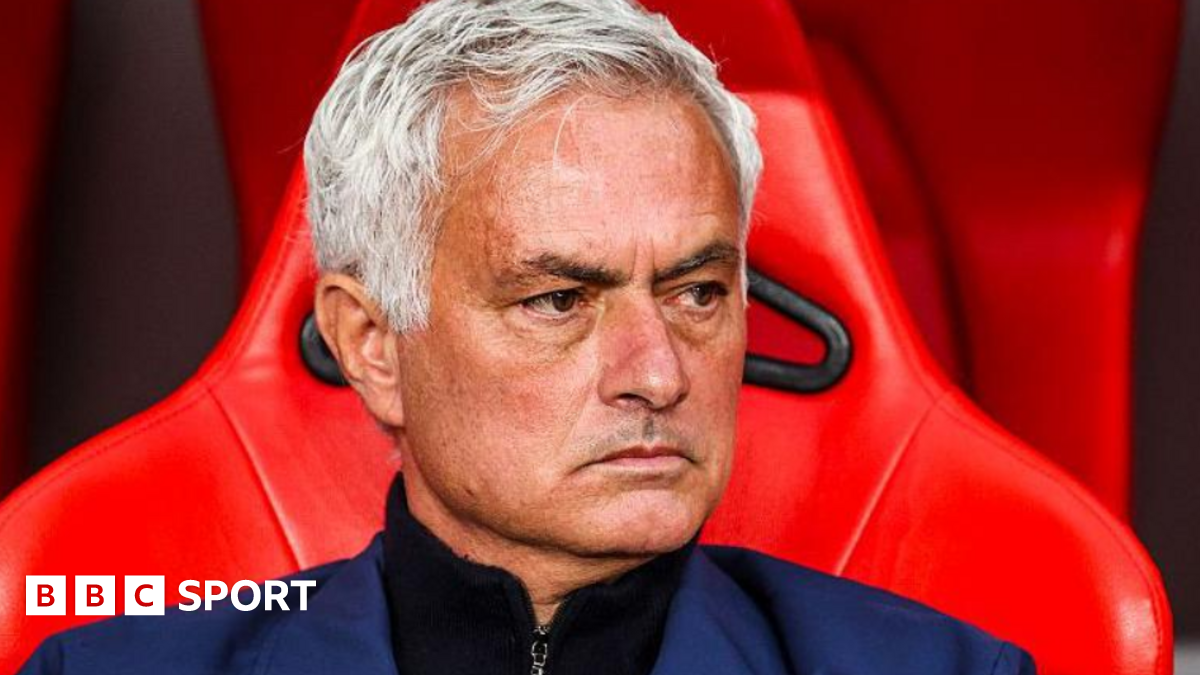
Jose Mourinho is set to be appointed as the new manager of Real Madrid, returning to the club 13 years after his previous tenure concluded in 2013. The appointment follows a highly confrontational press conference by president Florentino Perez, who adopted a siege mentality towards the media, claiming the club faces external enemies and warning that journalists would have to be "shot out" of the Bernabeu.
The move aims to address a fractured dressing room, internal player conflicts, and a period of two consecutive seasons without major trophies. Spanish football expert Guillem Balague has noted the alignment between Perez’s worldview and Mourinho’s managerial philosophy, suggesting the president’s conspiratorial vision of the club’s environment has already influenced predecessor Alvaro Arbeloa.
Mourinho is expected to demand input on squad signings, identifying specific imbalances in the current squad and seeking input on positions rather than specific player names. He is also set to bring his own coaching staff, while the club intends to retain its existing medical and physical departments, creating a hybrid structure that will serve as an early test of his adaptability.
The appointment comes amidst complex squad dynamics, including reports that Vinicius Jr achieved his desired outcomes when previous manager Xabi Alonso was sacked, and concerns regarding Kylian Mbappe’s integration. Mourinho’s past record with difficult personalities is mixed, having managed the Cristiano Ronaldo-Karim Benzema dynamic at Madrid and successfully repositioned Samuel Eto’o at Inter Milan, though his recent tenures at Tottenham and Manchester United ended in dismissal or departure after dressing room fractures.
Critics point to Mourinho’s lack of a league title in 11 years and his tendency to blame players for defeats, citing an Amazon documentary that revealed disengaged training sessions and a divided squad at Tottenham. Additionally, his response to racist abuse directed at Vinicius Jr during his first spell, where he invoked club legend Eusebio, has received limited scrutiny in the current debate despite the sensitive nature of the incident.
The club’s current struggles are compounded by a failure to make Vinicius Jr and Mbappe function as a partnership, a challenge that three previous managers have been unable to resolve. Mourinho’s return is framed by Perez as a necessary defence against external enemies, yet the manager must now address the internal cultural issues and lack of intensity that saw the squad finish below the top 10 in the Champions League group phase twice.
Whether the appointment results in a renaissance or a relapse depends on Mourinho’s ability to manage culture rather than impose authority, a shift required given the damage left from his previous spell, which he described in January as "almost violent". The club’s hierarchy of pride and expectations remain distinct from other institutions he has managed, placing the burden on Mourinho to earn trust and deliver results in a environment he helped cultivate.