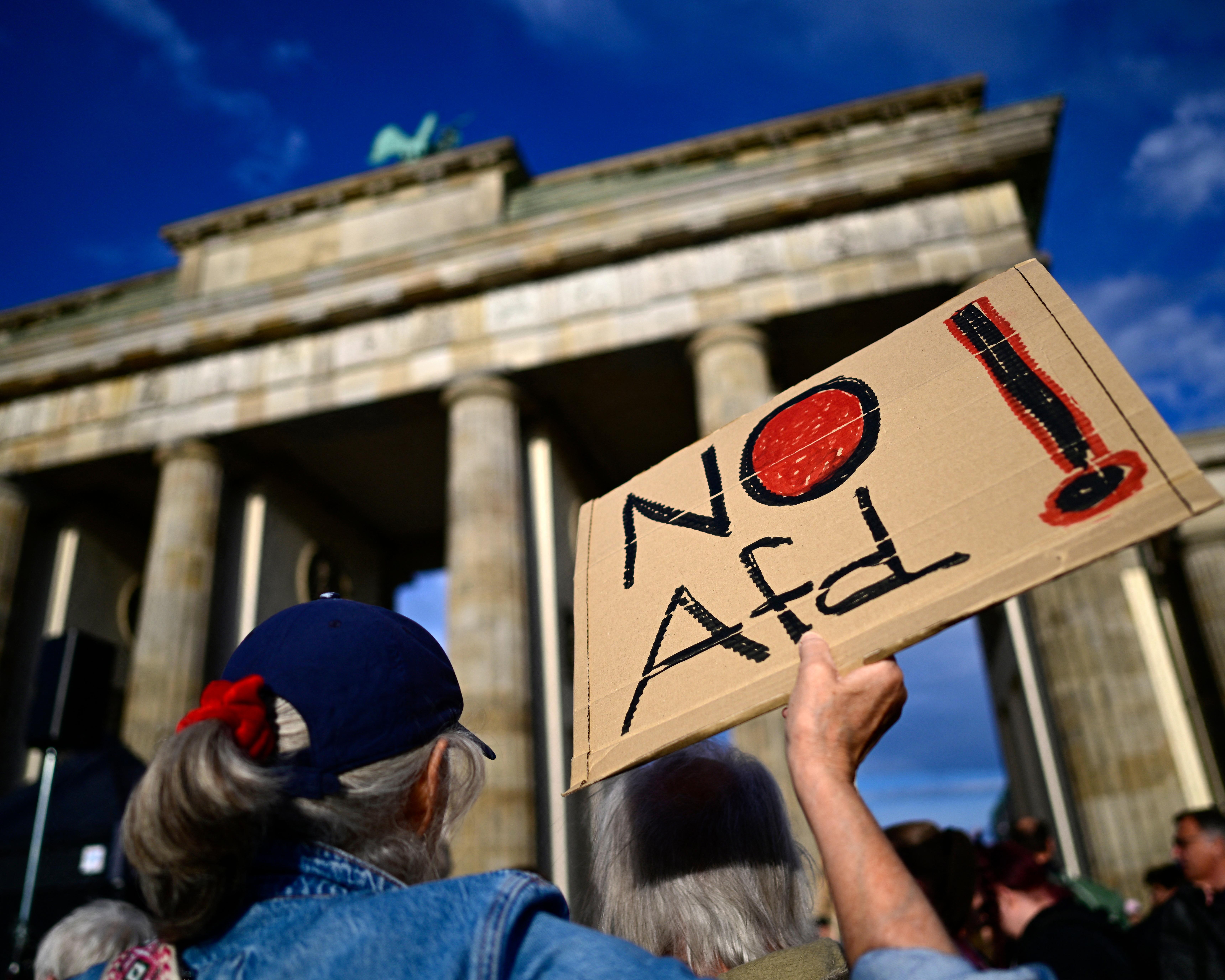
Mother and daughter echo 1998 protest against Pauline Hanson in Melbourne walkout
Chandler reflects on the evolution of youth political expression, noting the absence of social media in the 1990s and the limited avenues available to students today, as school authorities respond to the surge in student activism.
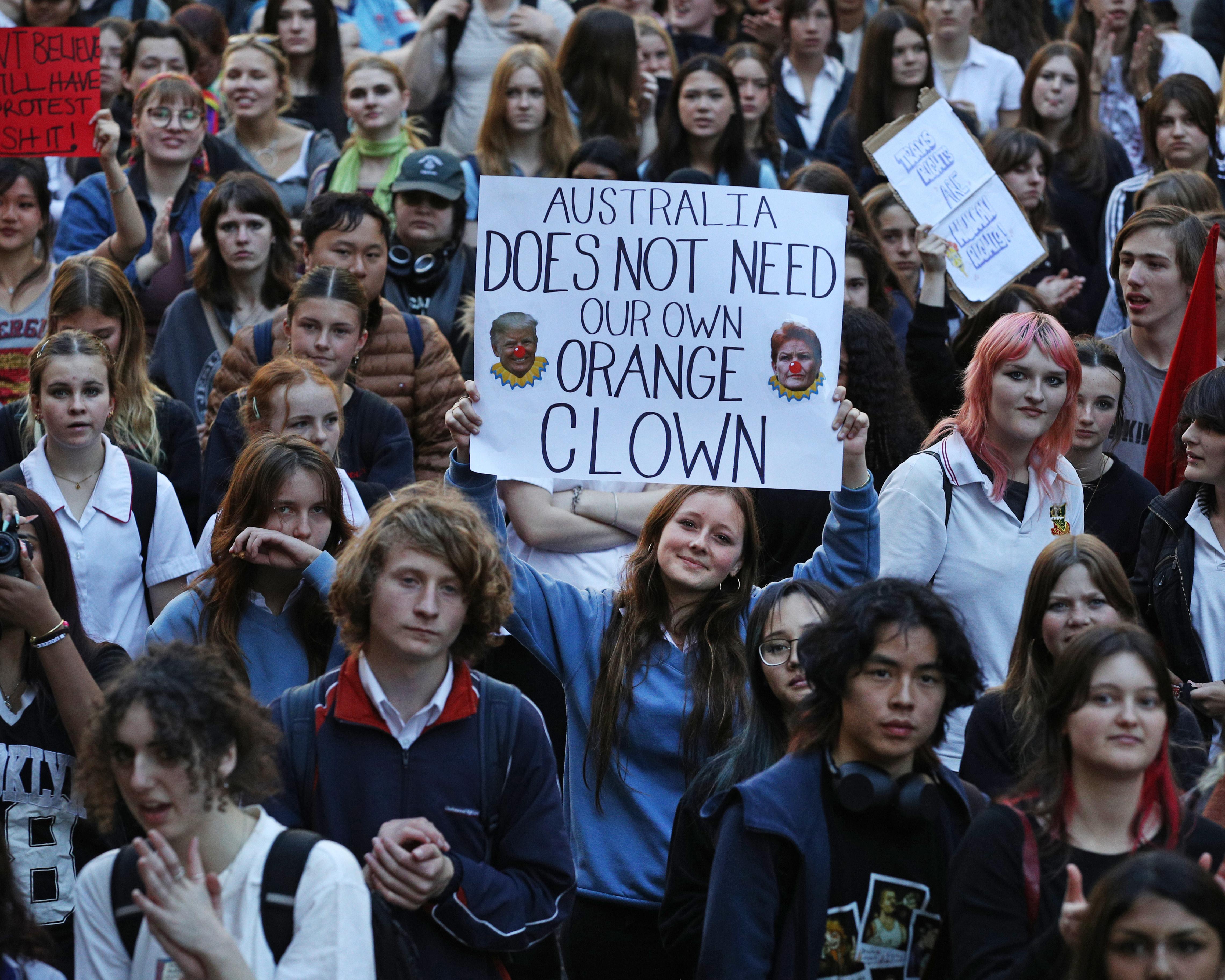
Philippa Chandler has given her teenage daughter permission to participate in a school walkout in Melbourne to protest One Nation leader Pauline Hanson, an act that mirrors a demonstration Chandler herself led in 1998. The 15-year-old joined friends in travelling into Melbourne’s central business district during lunchtime on Thursday, a move Chandler described as inevitable given her own history of skipping school to oppose Hanson.
In 1998, Chandler was a Year 11 student at Bunbury Senior High School in Western Australia. When Hanson visited the regional town, Chandler and three friends wagged school to attend a small protest outside the venue where the politician was speaking. Responding to Hanson’s assertion that she was the “mother of the nation”, the group chanted, “You are not our mother!” A photograph of the demonstration appeared in the local newspaper, though it drew disapproval from the owners of the ice-cream shop where Chandler and a friend worked.
The recent protest has prompted a response from educational authorities. The principal of Chandler’s daughter’s school emailed parents, reminding them that schools play a role in helping students understand constructive ways to share their views. Chandler assumes this communication was a reaction to the large number of teenagers attending the walkout, though she questioned the practical limitations placed on young people who wish to express political dissent.
Chandler highlighted the structural barriers facing modern youth, noting that her daughter is banned from social media, which removes a primary digital platform for political expression. Unlike the 1990s, where youth culture relied on satire such as Pauline Pantsdown and Triple J radio, today’s students lack access to the ballot box at age 15 and have fewer alternative outlets for their voices.
Growing up in a multicultural suburb, Chandler’s daughter has experienced racism as a tangible issue affecting her family and friends. Chandler, who has participated in various anti-racism rallies including Black Lives Matter and Indigenous rights demonstrations, observed that her daughter is now old enough to attend these events independently. She expressed hope that the students had a safe experience and voiced a desire for future generations not to be forced into similar protests.