Moscow warns of consequences after UK confirms drone supply to Ukraine
Ministry of Defence sources verify use of BAE Systems-made drones, marking first confirmed strikes on Moscow by Kyiv using Western-supplied technology.
The Russian embassy in London has formally accused the United Kingdom of escalating the Ukraine crisis, following reports that British-made Nyan attack drones were used by Kyiv to strike targets inside Russia. In a statement disseminated via Telegram, Moscow warned that London’s actions would carry inevitable consequences for which it would have to answer, framing the supply of weaponry as a deliberate breach of peace while hypocritically professing a desire for diplomacy.
UK Ministry of Defence sources confirmed the accuracy of reports that two drones manufactured by British companies had been utilised by Ukraine’s military. While only one model, the Nyan produced by BAE Systems, was explicitly named, the admission validates the deployment of Western technology in direct attacks on Russian soil. The Nyan is a medium-sized, jet-powered delta wing drone costing approximately £100,000, capable of delivering strikes at distances exceeding 150 miles.
Despite the high-profile nature of the deployment, defence analysts note that the Nyan is not considered militarily significant compared to previous UK-supplied munitions. Britain has previously provided Storm Shadow missiles valued at over £1 million, which have since run short in Ukrainian stocks. Furthermore, Ukraine has developed its own Flamingo cruise missiles and longer-range drones, allowing it to conduct daily attacks on Russian territory without relying solely on Western hardware.
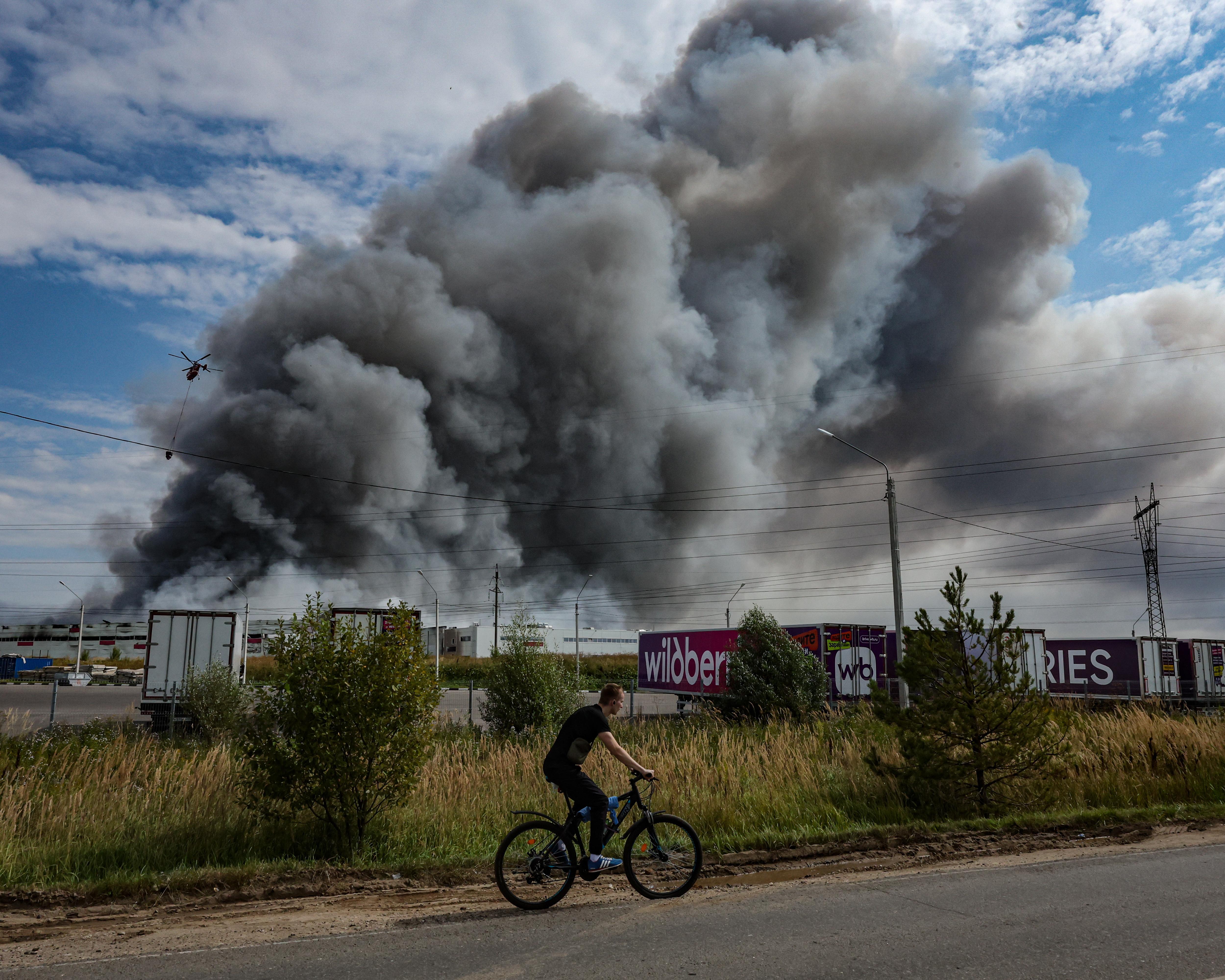
This development marks the first time Ukraine has successfully hit targets in and around Moscow, located more than 300 miles from its border, utilising a long-range capability that Western leaders had previously refused to supply. The strikes have targeted oil refineries and ecommerce distribution warehouses on the outskirts of the capital, causing economic damage as Russia faces a sustained deep strike campaign.
The Kremlin’s response is widely viewed as a political manoeuvre designed to undermine Western support for Kyiv, particularly during the summer months when domestic political news cycles are quieter. Moscow’s rhetoric coincides with a broader pattern of hostility towards the UK, including past poisoning incidents on British soil and ongoing disinformation campaigns.
John Foreman, a former UK military attache to Moscow, stated that Russia is likely to continue its pattern of unconventional aggression. He noted that Russia relentlessly targets the UK’s critical infrastructure, democratic processes, and public trust through sporadic campaigns of arson, sabotage, and disinformation, describing the state as aggressive, antagonistic, and revisionist.
As the war in Ukraine remains largely deadlocked, Russia has become increasingly reckless in its actions across Europe, including drone incursions into Poland and attempted attacks on Ukrainian cargo planes in Germany. The UK and NATO now face the challenge of ensuring that this brinkmanship does not spiral out of control, while maintaining support for Kyiv’s defensive efforts.