Moscow reduces scale of World War II victory parade following ceasefire collapse
A unilateral truce called by Moscow on the eve of the event failed immediately, prompting both nations to launch major attacks that forced a downgrade of the planned ceremony.
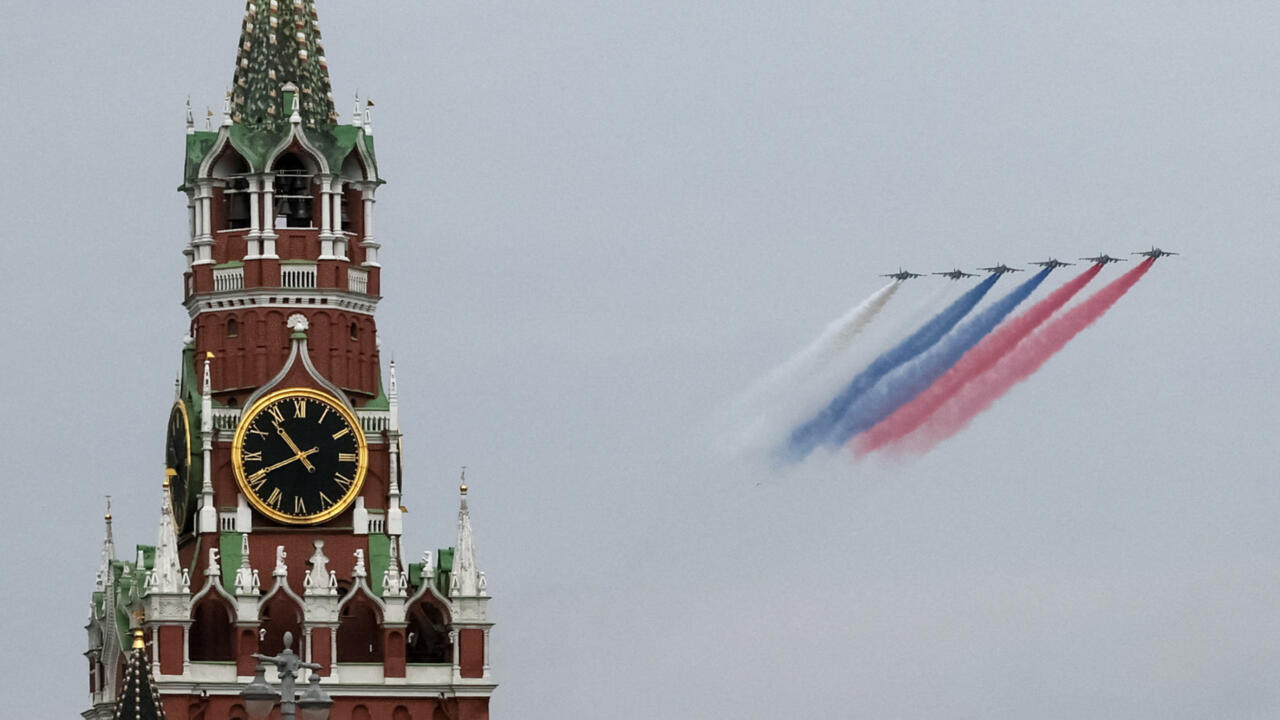
Russia has reduced the scale of its World War II victory parade for the first time in nearly 20 years. The decision marks a significant departure from the tradition of holding the event with full magnitude, a practice maintained for almost two decades prior to this year.
The reduction in the parade's scope is a direct operational response to the immediate collapse of a unilateral ceasefire declared by Russia on the eve of the commemorations. The truce, which was intended to facilitate the national celebrations, crumbled almost as soon as it took effect.
Following the failure of the temporary pause in fighting, both Ukraine and Russia launched major attacks against one another. The renewed intensity of the military conflict has disrupted the planned military event, forcing authorities to scale back the proceedings.
France 24 International reports that the situation has created an unusual atmosphere for what is typically a significant national commemoration for Russia. The context of the conflict involves ongoing military tensions between the two nations, with the recent ceasefire attempt serving as a brief and unsuccessful pause in hostilities.
The specific details regarding the extent of the scale-down, such as the number of participants or specific units excluded, have not been quantified in available reports. Similarly, the precise timing and duration of the major attacks launched by both sides remain undetailed beyond the confirmation that they occurred after the ceasefire collapsed.
This development underscores the fragility of recent diplomatic overtures in the region. The unilateral nature of the initial ceasefire suggests a lack of mutual agreement, which may have contributed to the rapid deterioration of the situation and the subsequent impact on the state-sponsored event.