Moscow imposes July 2026 deadline for property re-registration in occupied Ukraine
Russian authorities have tightened regulations requiring personal appearance and a Russian passport to re-register Ukrainian assets, a move that effectively blocks displaced citizens from retaining ownership while exposing them to arrest or conscription.
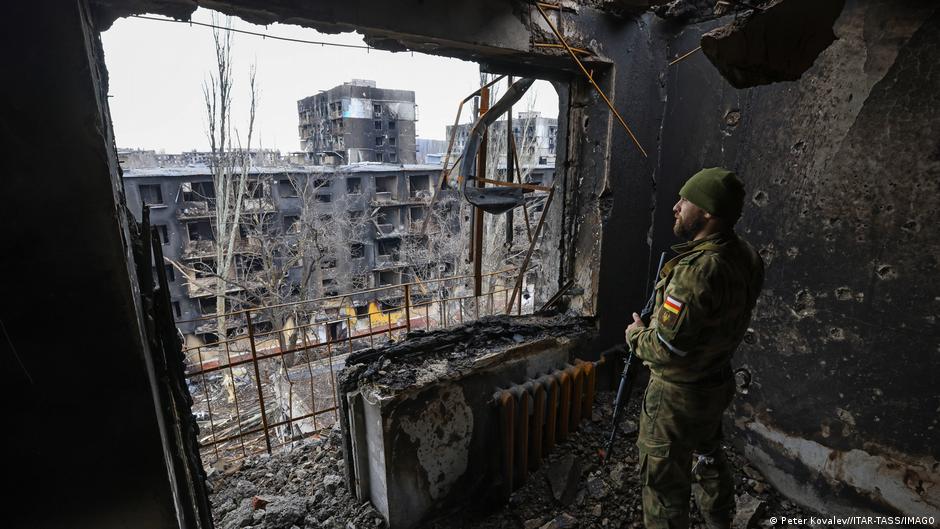
Russian authorities have established a strict deadline of 1 July 2026 for owners of land and real estate in occupied Ukrainian territories to re-register their assets under Russian law. The updated regulatory framework mandates that property owners must appear in person to complete the process and present a Russian passport as proof of identity. This requirement presents an insurmountable barrier for many displaced Ukrainians, who face significant risks of arrest or forced military service if they return to the occupied zones.
Under the new measures, properties that are not re-registered by the deadline will be classified as "ownerless" and may be transferred to Russian citizens. While Russian law technically does not require property owners to hold Russian citizenship to re-register assets, sources indicate that obtaining a Russian passport is practically necessary to navigate the bureaucracy. The procedure has also been made more restrictive, removing the previous option for owners to appoint proxies via power of attorney at Russian consulates abroad.
The legalisation of these measures at the federal level in late 2025 follows a gradual escalation in the occupied territories. Since 2021, authorities in the self-proclaimed Donetsk People's Republic have classified abandoned residential properties as ownerless, allowing them to be seized by courts. By 2024, this definition was expanded to include apartments or buildings vacant for more than a year, where no utility bills have been paid and owners do not appear in Russian land registries. Oleg Skufinskiy, head of Russia's Federal Service for State Registration, previously estimated that approximately 550,000 such properties exist in occupied territories, including 13,000 residential units in Mariupol alone.
Ukrainian human rights organisations have issued strong warnings against travel to these areas. Onysiia Syniuk from the Kyiv-based ZMINA Human Rights Center noted that entry via Moscow's Sheremetyevo airport involves unpredictable "filtration" by Russian officials. She explained that even if entry is granted, applicants must obtain a Russian passport to re-register property, a step that carries the risk of being drafted into the Russian army. Anatoly Kolesnikov, a lawyer with the East SOS foundation, described the policy as an attempt to identify disloyal individuals and confiscate their property, constituting a violation of international law.
In response to the legal pressures, experts advise displaced owners to document their losses through the Council of Europe's Register of Damage for Ukraine, established in May 2023. This register is viewed as a preliminary step toward establishing a mechanism for justice and compensation. Additionally, Ukraine has implemented domestic compensation programs, such as the eVidnovlennya state scheme, which provides financial aid to citizens whose homes have been damaged or destroyed. Despite these measures, many displaced persons, such as Lyudmila from the Zaporizhzhia region, remain hesitant to engage with the occupying authorities, preferring to rely on personal resilience and family support while awaiting the liberation of their cities.