Moscow accused of aiding Iran’s targeting of US intelligence assets in Gulf
As US Secretary of State Marco Rubio meets Russian Foreign Secretary Sergey Lavrov in Manila, fresh reports suggest Moscow provided satellite intelligence and anti-jamming navigation systems to enhance the precision of Iranian attacks on US sites in Saudi Arabia.
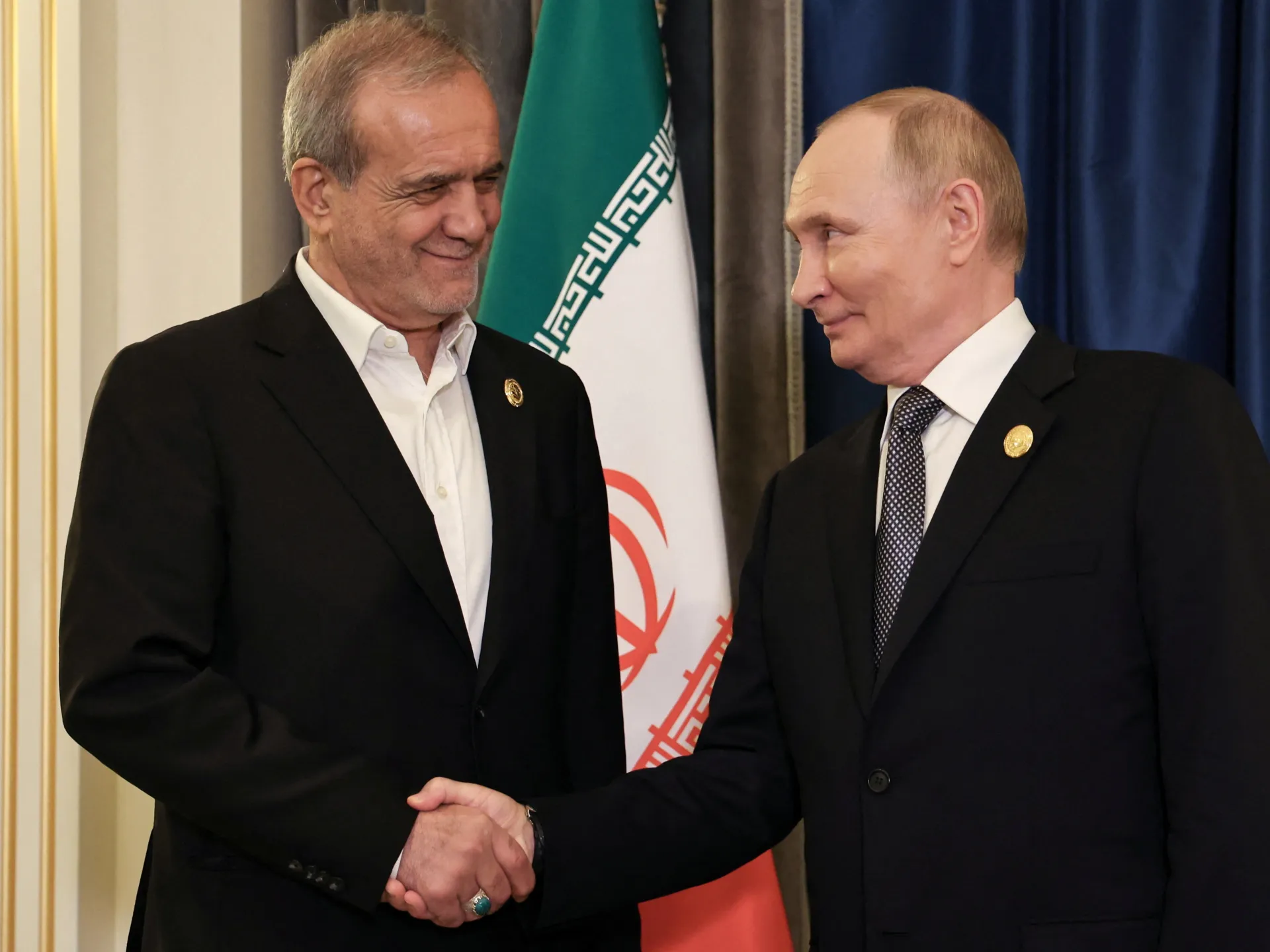
Allegations that Russia assisted Iran in targeting United States Central Intelligence Agency (CIA) facilities in the Gulf have intensified following a meeting between US Secretary of State Marco Rubio and Russian Foreign Secretary Sergey Lavrov in Manila. While the official agenda focused on the war in Ukraine, the discussions occurred against a backdrop of intelligence reports suggesting Moscow played a more active role in Iran’s military operations against US interests in the Middle East than previously acknowledged.
The scrutiny began in the early days of the conflict between the US, Israel, and Iran. On March 3, The Washington Post reported that a CIA station within the US embassy in Riyadh had been targeted, citing two individuals familiar with the matter. Three days later, CNN reported that US intelligence sources believed Moscow was helping Tehran locate US personnel and aircraft in the region. More recently, Reuters reported that Iranian drone attacks on CIA facilities at the US embassy in Saudi Arabia prompted an investigation into potential Russian involvement, noting the strikes’ effectiveness and precision.
Nicole Grajewski, an assistant professor at the Centre of International Research at Sciences Po university in Paris, described the theory of Russian involvement as “realistic.” She noted that Iranian attacks were significantly more advanced than previous operations, suggesting reliance on Russian space-based capabilities that Iran lacks. “Compared to Russia, Iran doesn’t have enough military-grade satellites for basic stuff,” Grajewski said, adding that it seemed likely Tehran struck a deal with Moscow to enhance its targeting accuracy.
Reports indicate that Russia may have supplied the Kometa-M anti-jamming navigation system to improve the precision of Iranian Shahed-136 drones. Debris containing this system was reportedly recovered from the wreckage of a drone following an attempted attack on a British Royal Air Force base in Cyprus. Although Russia rejected earlier Wall Street Journal reports regarding the system as “fake news,” the presence of such technology underscores the deepening military cooperation between the two nations since the 2022 invasion of Ukraine.
Despite the allegations, experts emphasise that Iran retains extensive independent military capabilities, including its own human intelligence networks and a substantial drone and missile force. Grajewski argued that while Russian support gave Iran an edge, it was not the fundamental tipping point in the conflict. The strategic partnership, formalised by a 20-year Comprehensive Strategic Partnership Treaty signed in 2025, is viewed by analysts as a move to divert attention from Ukraine and weaken US global influence, even as US strikes continue to target Iranian positions.