Morocco’s PJD rebuilds after 2021 electoral collapse
The Justice and Development Party is reorganising under former leader Abdelilah Benkirane, but faces questions over public trust and the limits of government authority.
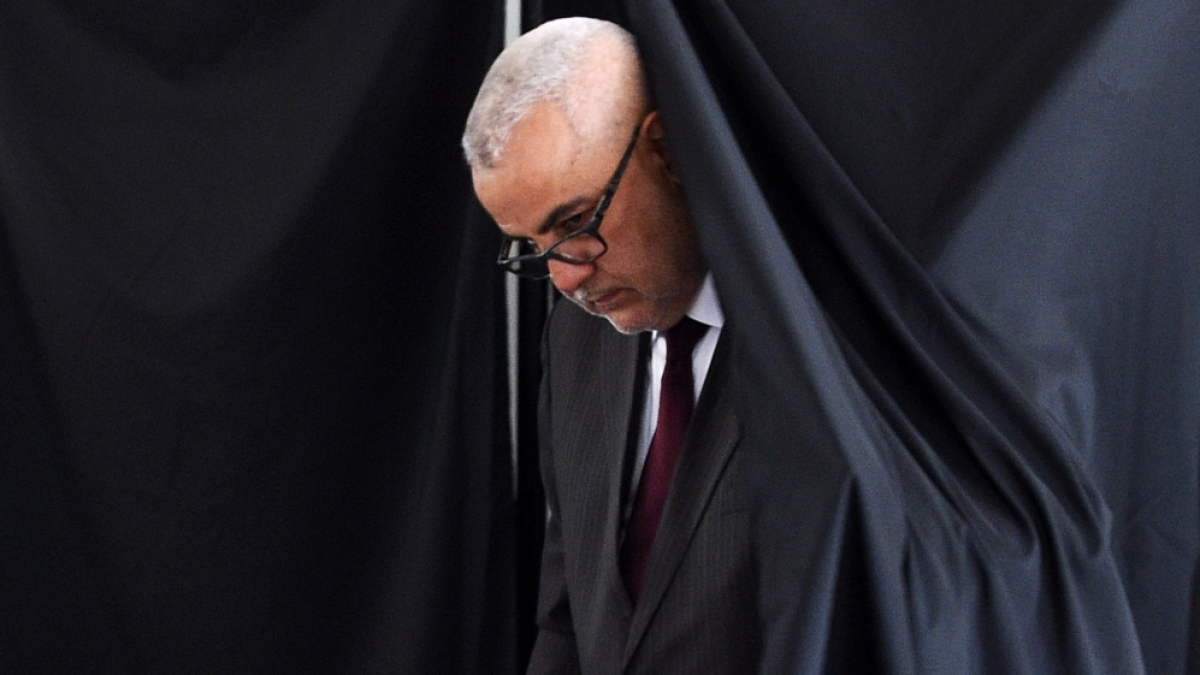
Morocco’s Justice and Development Party is attempting to rebuild after its parliamentary representation fell from 125 seats in 2016 to 13 in 2021, with former leader Abdelilah Benkirane again directing the party’s effort to regain support.
The PJD’s 2026 programme contains 467 measures covering institutional reform, public services, social protection, the economy, employment and foreign policy. Its proposals include greater transparency in public procurement, rules on conflicts of interest and illicit enrichment, improved services, housing, and food, water and energy sovereignty.
Speaking to Al Jazeera, PJD representatives said the party had reorganised its structures and reassessed its political and organisational choices after the defeat. The programme was developed through studies, consultation meetings and proposals submitted online, according to Saad al-Sabahi of the party’s Casablanca-Settat regional secretariat.
The rebuilding effort also centres on younger voters. PJD representatives said sustained engagement, training and opportunities to participate in public affairs would be needed to restore trust, rather than relying on short-term election campaigns. The party’s ability to convert Benkirane’s personal profile into broader support remains uncertain.
The PJD continues to oppose Morocco’s normalisation and cooperation with Israel. That position sits alongside the monarchy’s central role in strategic state policy: Morocco and Israel agreed on 16 September to raise their diplomatic missions to embassy level and expand cooperation, while Morocco’s king chairs the Council of Ministers.
The party says it seeks change within Morocco’s existing constitutional system and continues to support the monarchy. Its return therefore depends not only on recovering lost seats, but on demonstrating what it learned from its decade in government and what it could deliver within that system.