Morocco’s earthquake recovery leaves thousands still waiting for aid
Three years after the Al Haouz earthquake, authorities report extensive rebuilding while residents and victims’ groups say eligibility disputes and weak utility connections are prolonging displacement.
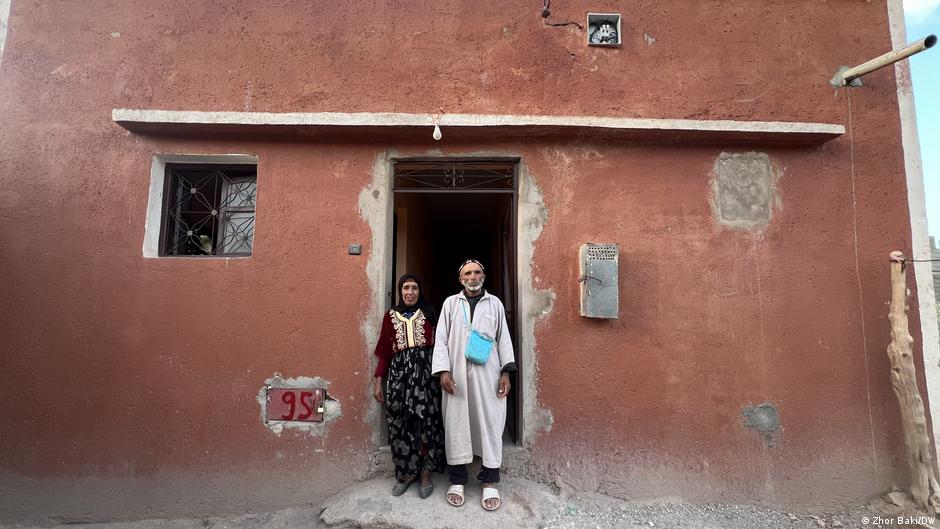
Reconstruction in Morocco’s earthquake-hit Al Haouz region has advanced since the disaster killed more than 2,900 people and injured over 5,500 on 8 September 2023. But recovery remains uneven, with some survivors still living in tents or beside destroyed homes while awaiting state assistance.
The High Atlas Development Agency says 54,425 homes have been built or rehabilitated, with more than 3,000 still under construction. The government says it has distributed more than 7.2 billion dirhams in reconstruction funding and emergency assistance.
Local conditions vary sharply. In Ighermane, about 90 per cent of the village is reported to have been rebuilt, with 114 of roughly 150 families receiving some form of state support. In Azgour, one of the worst-affected areas, residents say 56 families are still waiting for help, while some households that rebuilt elsewhere lack reliable water and electricity connections.
Residents and victims’ groups attribute delays and exclusions to disputed residency and ownership records, unresolved complaints and administrative barriers. The National Coordination for Al Haouz Earthquake Victims says more than 3,000 families have received no state assistance, although the figure has not been independently verified.
Deutsche Welle reported that some families were excluded after moving elsewhere for work, while others were classified as tenants rather than owners. The cases highlight the gap between aggregate reconstruction figures and whether individual households can access assistance.
Authorities and specialists point to the difficulty of rebuilding remote mountain communities, including damaged infrastructure, debris removal, relocation, utility connections and shortages of skilled workers. Victims’ representatives are calling for an independent and transparent investigation into how aid decisions have been handled.