Morocco election puts political trust under scrutiny
Twenty-seven parties are contesting 395 parliamentary seats as voters weigh jobs, living costs, public services and confidence in institutions.
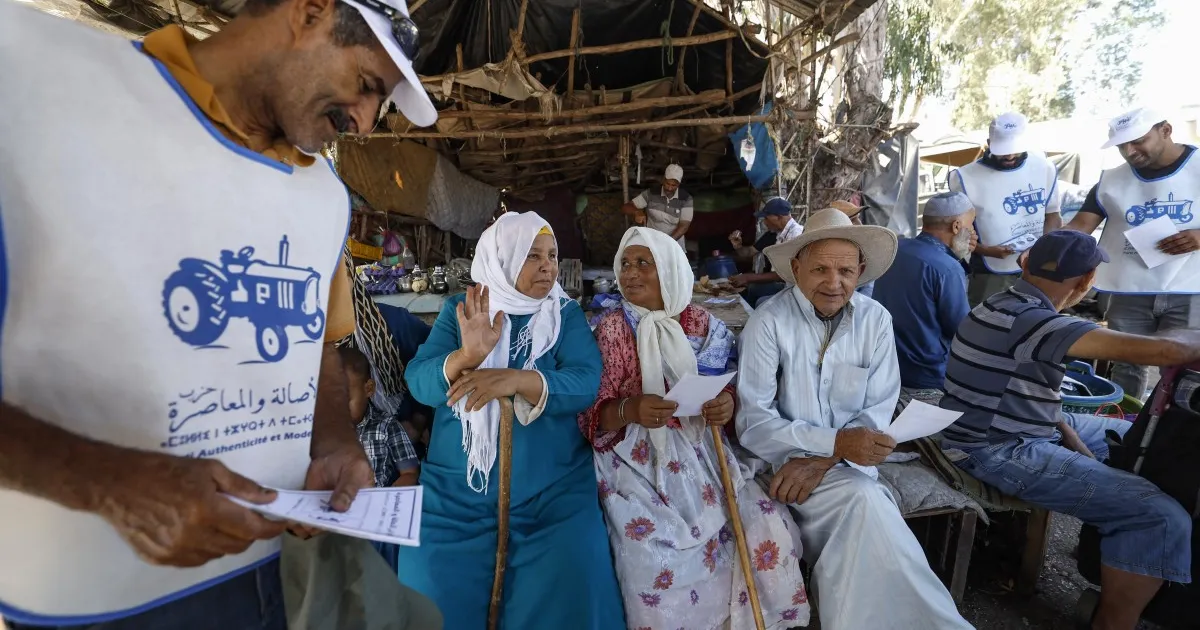
Morocco’s parliamentary election will test whether political parties can rebuild public confidence as campaigning continues ahead of the 23 September vote. Twenty-seven parties are contesting 395 seats in the House of Representatives, with more than 15.8 million voters registered.
Youth unemployment, household purchasing power and public services have emerged as central campaign issues. The governing coalition parties — the National Rally of Independents (RNI), the Authenticity and Modernity Party (PAM) and Istiqlal — are campaigning on employment and economic conditions. The RNI and PAM have each pledged at least one million jobs, while Istiqlal has placed purchasing power and public services at the centre of its platform.
The employment challenge is particularly acute among younger Moroccans. The IMF estimates that unemployment reached 13 per cent in 2025, including 37.3 per cent among people aged 15 to 24. It also estimated that 25.2 per cent of young people were not in employment, education or training in the third quarter of 2025.
An Afrobarometer survey published in March found that roughly one-third of Moroccans aged 18 to 35 trusted Parliament, the head of government and political parties. The finding is not a forecast of turnout or voting behaviour, but it highlights the gap between formal political participation and confidence that elections can deliver practical improvements.
The vote will also reshape the parliamentary balance after the RNI, PAM and Istiqlal won 102, 87 and 81 seats respectively in 2021 and formed the governing coalition. The Justice and Development Party, which fell from 125 seats in 2016 to 13 in 2021, is seeking to rebuild its support.
Under Morocco’s constitutional system, the king appoints the head of government from the party that wins the most House seats, while retaining a central institutional role. The result will therefore matter for government formation, but parliamentary control alone will not determine the country’s full distribution of political power.