More Than 650 Volunteers Join NASA Scientists on Peer-Reviewed Papers
NASA Citizen Science reports that hundreds of volunteers have contributed to the scientific literature, with their work now documented in peer-reviewed journals alongside professional researchers.
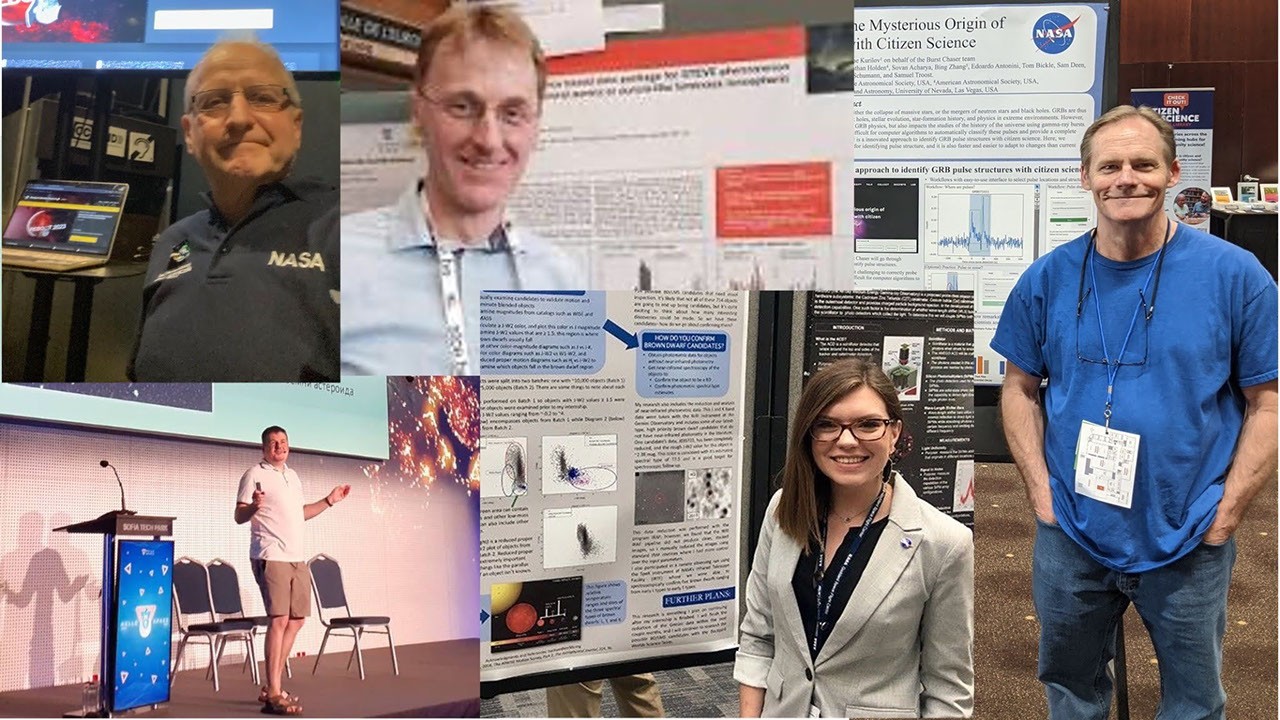
NASA Citizen Science has confirmed that more than 650 volunteers have co-authored peer-reviewed scientific papers alongside project teams. This recent count marks a significant milestone where public participation has directly resulted in formal scientific publication. The contributions span 42 active NASA citizen science projects, demonstrating the scale of public engagement in the agency's research efforts.
These individuals have made incredible contributions to research, seeing their passion and dedication translated into lasting additions to the scientific literature. Their work is now documented in the scientific literature, a primary method for scientists to document discoveries and share findings with the global community. Co-authorship is considered a core component of a scientific career and represents a major achievement for both professional researchers and citizen scientists alike.
The scope of these contributions covers 42 distinct active projects, providing ample room for science ambitions. Specific examples of successful volunteers include Michael Primm, Marc Kuchner, Les Hamlet, Michiharu Hyogo, Michael Hunnekuhl, and several students including Matteo Kimura, Emily Burns-Kaurin, Darcy Wenn, and Michaela B. Allen. A recent paper from the Backyard Worlds: Planet 9 project specifically highlights volunteer contributions, serving as a testament to the impact of this collaborative work.
NASA facilitates this engagement through direct mentorship from science teams, participation in virtual events such as Do NASA Science Live, and project communication boards like those on Zooniverse. Marc Kuchner, citizen science officer at NASA Headquarters in Washington, noted that volunteers should find a project that appeals to them and communicate directly with the scientists involved to get the necessary coaching.
For those interested in the process, the agency advises choosing a project carefully and taking initiative by reading all available material. Volunteers are encouraged to ask questions, dig into scientific journal articles, and participate in regular calls or meetings with participants. Many projects also host virtual bulletin boards, such as the TALK boards of Zooniverse-hosted projects, which can facilitate discussions with the science team.
While the exact number of volunteers is stated as more than 650, the precise figure beyond this threshold is not specified. Similarly, the specific date of this count is not provided in the available source material. Despite these uncertainties, the total number of volunteers across all projects, including those who have not yet co-authored a paper, remains a testament to the breadth of NASA's citizen science initiatives.