Montreux Convention continues to constrain NATO naval access in Black Sea
Ninety years after its signing, the 1936 treaty remains the primary instrument governing naval transit, preventing NATO warships from entering the region while forcing a pivot to Romania and Bulgaria.
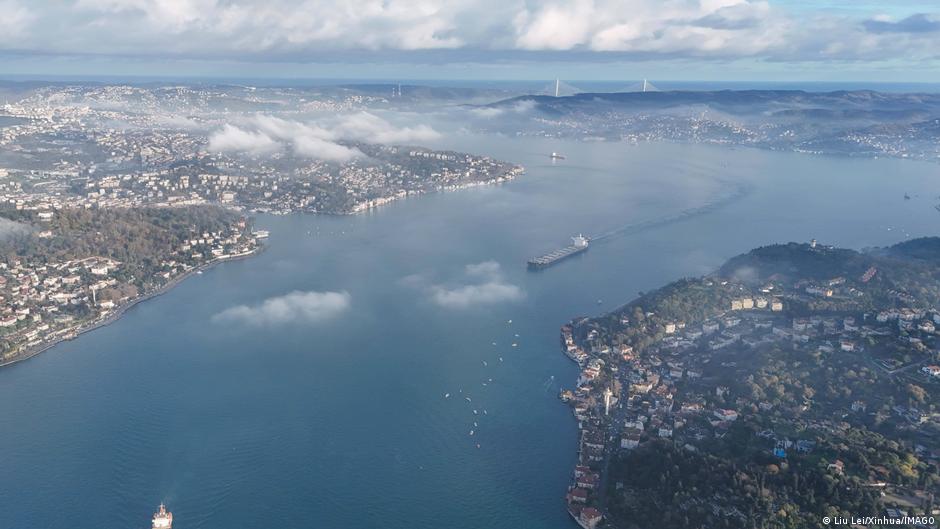
The 1936 Montreux Convention continues to restrict NATO warships from entering the Black Sea, maintaining Turkey's strategic control over the region's waterways. Turkey invoked wartime provisions of the treaty following Russia's 2022 invasion of Ukraine, preventing both nations from reinforcing their fleets while allowing existing Black Sea-based vessels to return to port. This arrangement has hindered Western military support for Ukraine, such as the inability to transfer UK-donated minesweepers, and has prompted NATO to focus its security efforts on Romania and Bulgaria. Despite its age, the treaty remains a critical instrument for Turkey's sovereignty and regional balance, with no immediate plans for revision.
Thomas de Waal, a senior fellow at Carnegie Europe, described the current state of the Black Sea as "quite empty of warships," a paradox given its status as a key security frontier. The region is bordered by six countries, with Turkey, Bulgaria, and Romania as NATO members, while Ukraine, Russia, and Georgia are not. Access to the sea is funnelled through the Dardanelles and Bosporus Straits, a narrow bottleneck that de Waal characterised as an economic choke point. Whoever controls these straits holds significant military advantage and influence over trade routes.
The treaty, signed in the Swiss town of Montreux, restored Turkish sovereignty over the straits after years of international oversight following the First World War. It keeps the waterways open to commercial traffic during peacetime but imposes strict limits on non-Black Sea navies regarding fleet size, tonnage, and duration of stay. During wartime, if Turkey is not a belligerent, warships belonging to nations involved in the conflict are barred from passing through.
When Russia launched its full-scale invasion in February 2022, Turkey invoked Article 19 of the treaty. This prevented both Russia and Ukraine from reinforcing their naval forces, with the exception of vessels already based in the Black Sea. De Waal argued this was crucial for Ukraine's survival, keeping up to 30 Russian ships outside the region. However, the restrictions also impeded Western aid; in 2024, the United Kingdom donated two minesweepers to Ukraine, but they were unable to enter the Black Sea because Turkey classified them as vessels of war.
Consequently, NATO has redirected its security focus to Romania and Bulgaria, which share Black Sea borders with the alliance. While Turkey has announced a trilateral task group for mine-clearing with these nations, analysts note the limited military capabilities of the Eastern European states. Romania is investing €2.5 billion to expand the Mihail Kogalniceanu Air Base, aiming to strengthen its footprint. Despite calls for reconsideration after the war, experts agree that revising the convention is unlikely, as it remains foundational to Turkish sovereignty and regional stability.