Montenegro’s EU accession sets stage for institutional reform debate
With a working group established to draft Montenegro’s treaty, analysts view the candidate’s entry as a testing ground for new governance rules, including potential temporary limitations on veto power for future members.
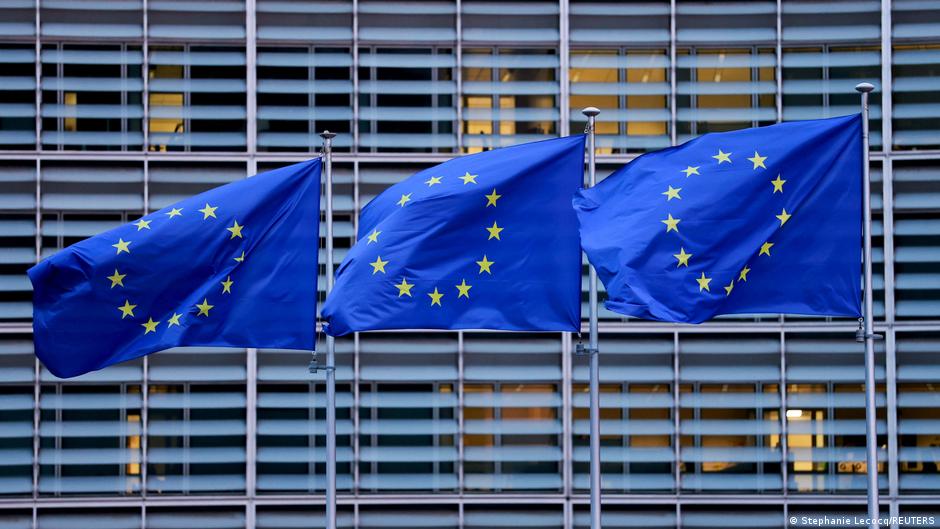
The European Union has formally initiated the drafting of Montenegro’s accession treaty, marking the first such effort in 17 years and signalling the bloc’s intent to treat the Western Balkan nation as its next member state. EU Enlargement Commissioner Marta Kos confirmed the establishment of the working group in April, describing the move as a clear departure from rhetoric and a commitment to deliver on enlargement promises provided candidates meet their reform obligations.
This procedural step occurs against a backdrop of intensified debate regarding the EU’s internal governance and the pace of expansion. While Montenegro is widely viewed as the only candidate with a realistic prospect of joining in the immediate future, broader discussions continue over the accession of Ukraine and the integration of other Western Balkan states. These debates have shifted from technical assessments to geopolitical imperatives following Russia’s 2022 invasion of Ukraine, which elevated enlargement to a security priority for all member states.
German Chancellor Friedrich Merz has proposed a "staged" approach to integration, suggesting associate membership for Ukraine and privileged single market access for Western Balkan countries and Moldova. Under this model, candidate nations would gain observer status in EU bodies and gradual participation in decision-making processes before full accession. Merz’s proposal aims to accelerate the path to membership while addressing concerns about institutional capacity, although more ambitious concepts such as "reverse enlargement" have been rejected by member states.
A central point of contention involves the potential for temporary limitations on veto rights for new member states to prevent decision-making paralysis. Analysts Steven Blockmans and Strahinja Subotic argue that such restrictions, limited in time and scope, would reassure skeptical members that enlargement would not compromise sovereignty or equal rights. Several Western Balkan nations, including Albania, Bosnia and Herzegovina, and Serbia, have indicated openness to these transitional arrangements, whereas Montenegro opposes any delays or special conditions.
Analysts suggest Montenegro’s accession will serve as a testing ground for these new mechanisms, particularly regarding post-accession monitoring tools focused on the rule of law and democratic standards. The current accession treaty is expected to establish a template for future enlargements, balancing the merits-based assessment of reforms with the need for the EU to adapt its governance methods to accommodate new members.