Montenegro marks two decades of independence amid EU ambitions and Serbian tensions
As Montenegro commemorates 20 years since its 2006 secession, analysts warn that democratic gains are offset by pervasive corruption and unresolved divisions, while Serbian President Aleksandar Vucic refuses to attend anniversary events.
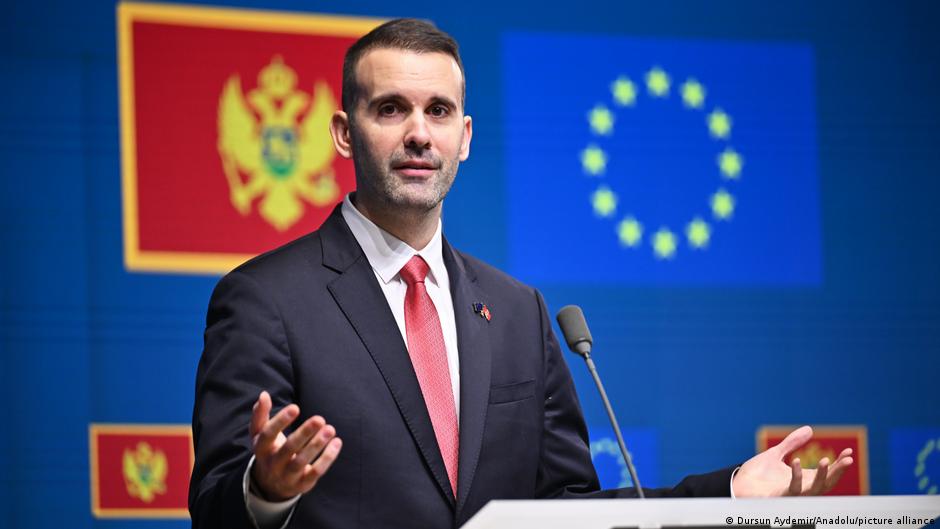
Montenegro will mark the 20th anniversary of its independence from Serbia on May 21, a milestone that underscores the country’s current status as the frontrunner for European Union membership among the Western Balkans. Following a 2006 referendum in which 55.5 per cent of voters supported secession, Podgorica has restarted stalled accession talks and accelerated reforms, capitalising on renewed EU interest in enlargement driven by regional geopolitical shifts.
Despite this progress, the nation’s reputation as a regional "high achiever" is complicated by internal challenges. Daliborka Uljarevic of the Centre for Civic Education in Podgorica noted that while Montenegro has advanced, much of the surrounding region has stagnated or regressed in its own accession efforts. She cautioned that the country must ensure its integration process is thorough, warning against entering the EU as a "defective state" where corruption remains pervasive and potentially more expensive due to a larger number of political actors seeking to satisfy party interests.
The political landscape is further defined by a demographic split that heavily influences coalition politics. According to 2023 census data, approximately 41 per cent of citizens identify as Montenegrin and 33 per cent as Serbian. This balance sustains a pro-sovereignty versus pro-Serbian divide, with pro-Serbian parties acting as key political actors and a primary channel for Belgrade’s influence in domestic affairs. Aleksandar Popov of the Center for Regionalism in Novi Sad observed that these forces can obstruct the European path on a signal from Belgrade, a dynamic that already occurs.
A significant shift occurred in 2020 when the Democratic Party of Socialists, led by Milo Djukanovic for 14 years, lost power following mass protests. Popov described this as a rare democratic transfer of power in the region, contrasting it with the difficulties such transitions face in Serbia. However, the underlying tension between distinct national identity and closer ties with Serbia remains a sensitive issue, with officials in Belgrade still treating Montenegro as a temporarily lost territory rather than a fully accepted sovereign neighbour.
Relations were starkly highlighted by the refusal of Serbian President Aleksandar Vucic to attend the anniversary celebrations. Vucic described attending as "spitting in the face of himself and his people," later publishing an opinion piece expressing regret over the separation. Analysts argue that Belgrade opposes Montenegro’s EU accession because it undermines Vucic’s narrative that Europe rejects the region and would place Montenegro beyond Serbia’s political, legal, and security influence.