Monarch deployed as diplomatic tool to stabilise UK-US relations under Trump administration
British government hopes ceremonial presence and historic address to Congress will mitigate tensions over Iran war and trade disputes, even as public sentiment remains hostile.
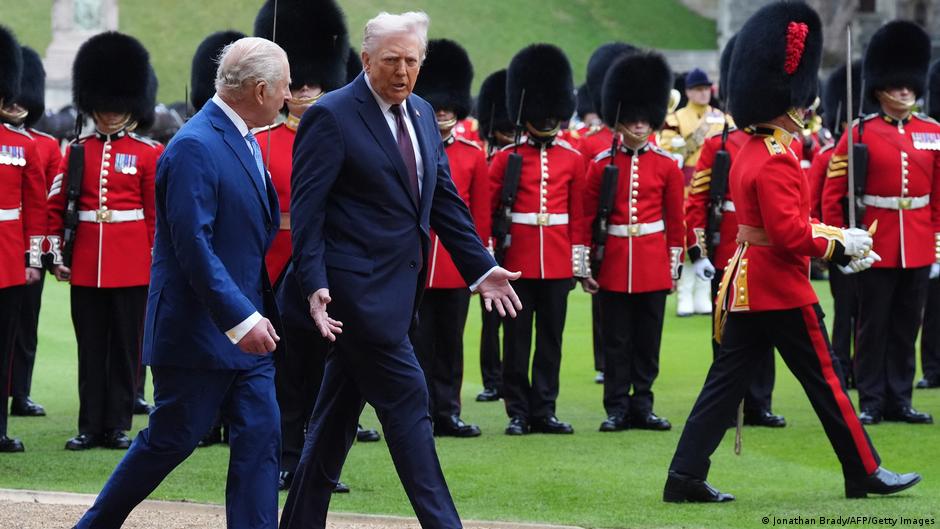
The British government has deployed King Charles III on a state visit to the United States in a strategic effort to stabilise increasingly strained relations with the Trump administration. This diplomatic mission aims to repair the "special relationship" following significant friction caused by disagreements over the war in Iran and broader trade disputes.
Tensions escalated after the United Kingdom refused to allow US troops to utilise British bases in support of Washington's conflict in Iran. President Donald Trump responded by criticising Prime Minister Keir Starmer, noting that the UK is not dealing with "Winston Churchill" and describing the prime minister as "not helpful." This marks a sharp contrast to the warm reception the US president received during a second state visit to the UK in September 2025, where he praised the bond between the nations as "irreplaceable and unbreakable."
Despite the ceremonial nature of the monarch's role, which precludes him from negotiating treaties or setting policy, the British government views the visit as a necessary attempt to win favour. Political historian Nigel Fletcher noted that the administration prefers to make an attempt to influence the situation rather than decline an invitation, fearing that doing so would offend the US president. The visit includes a historic address to the US Congress, marking only the second time a British monarch has spoken in the Capitol, following Queen Elizabeth II in 1991.
Public opinion in the United Kingdom remains largely hostile towards the trip. Recent polling indicates that nearly half of Britons oppose the visit, while over 80% hold a negative view of President Trump. Critics, including Graham Smith of the anti-monarchist group Republic, argue that the strategy is futile given the US president's unpredictability and his history of dismissing the diplomatic weight of a monarchy.
The mission carries significant reputational risk due to the ongoing police investigation into Jeffrey Epstein and the close ties of the King's brother, Andrew, to the late sex offender. Survivors have requested a meeting with King Charles, a request the Palace has declined. This decision has drawn disappointment from Congress member Ro Khanna and raises the possibility of protests by women's rights groups during the monarch's stay, potentially overshadowing the diplomatic objectives.
While President Trump has previously described King Charles as a "fantastic man" and a friend, suggesting a warmer personal dynamic than with other foreign leaders, his unpredictability remains a factor. The British government appears to have concluded that the risks of potential embarrassments are worth taking in order to save the "special relationship" amidst a turbulent geopolitical landscape.