Mogadishu violence exposes deep fractures in Somalia’s constitutional crisis
Heavy gunfire in Hawl Wadaag and near opposition leaders’ residences has forced hundreds to flee and closed Bakara market, while federal states Puntland and Jubaland withdraw from the union.
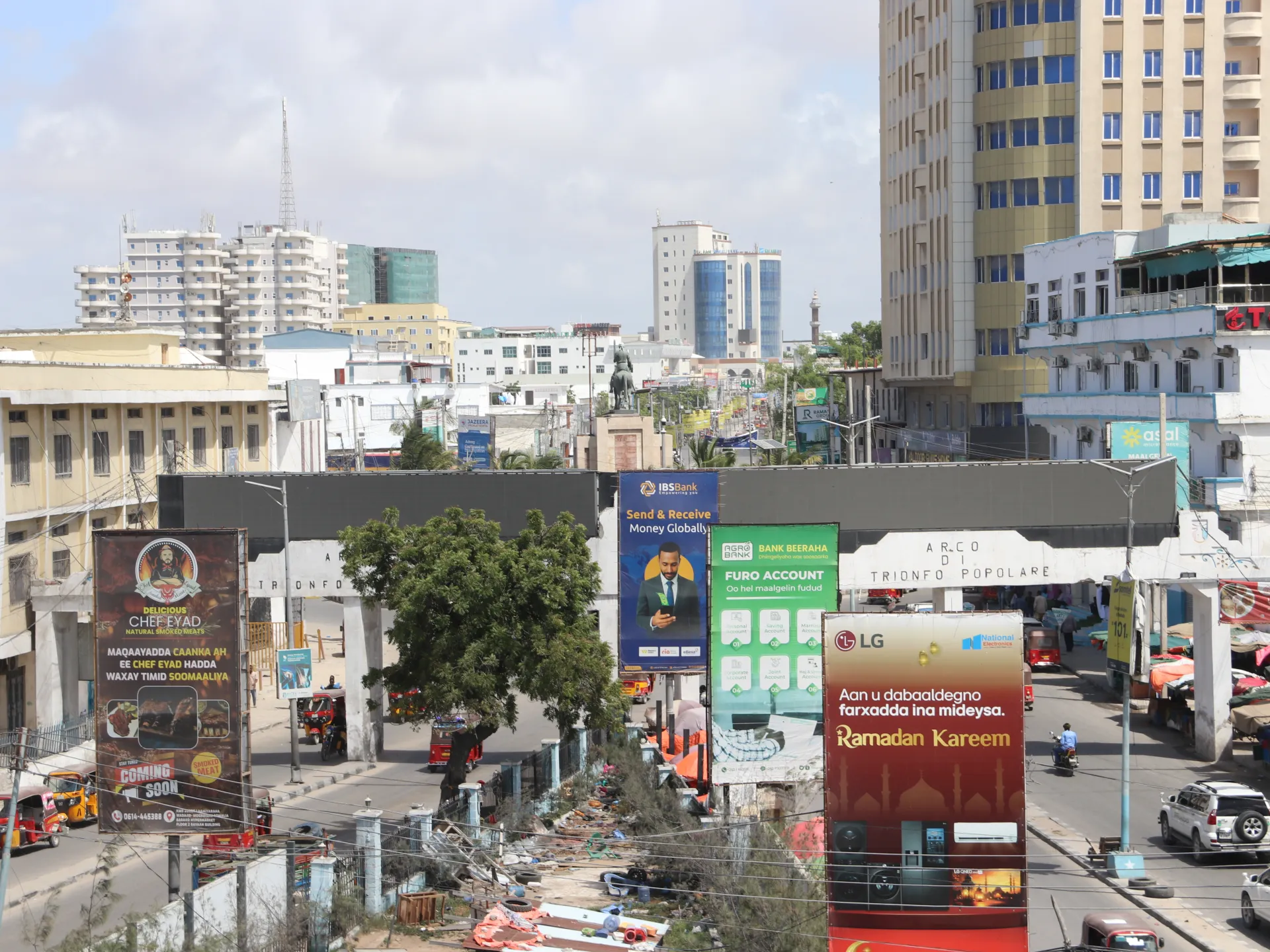
Heavy gunfire erupted in Mogadishu on Wednesday between forces loyal to the Somali government and opposition figures, disrupting the capital and forcing hundreds of families to flee their homes. The violence centres on a political standoff regarding President Hassan Sheikh Mohamud’s term extension, which the opposition rejects as unconstitutional. Tensions escalated when opposition leaders, including former Prime Minister Hassan Ali Khaire and former President Sheikh Sharif Sheikh Ahmed, returned to their residences from the fortified 'green zone' ahead of planned protests.
The unrest has forced hundreds of families to flee and closed major commercial hubs, including Bakara market, causing an estimated $3.8 million in direct business losses. Deputy central bank governor Ali Wardheere provided the figure as a model-based projection, noting that shops remained shuttered and foot traffic had vanished from one of the city’s busiest arteries. The sudden eruption of violence ended a period of improving security in Mogadishu, shattering the perception that the city had begun turning a corner.
Two federal states, Puntland and Jubaland, have withdrawn from the federal system over the new constitution, with over 100 MPs and senators from these regions boycotting the final vote. The Somali Future Council, a coalition including two serving federal-state presidents, has referred to President Mohamud as a "former president" and demands a new electoral framework. This political impasse has left the country divided over the constitutional framework governing the next election, with no constitutional court to resolve the dispute.
President Mohamud declared that the "provisional constitution, and the provisional era, was a sun which set yesterday," signalling his administration’s intent to proceed with constitutional amendments despite opposition boycotts. The government insists that the new constitution advances the statebuilding process and that the Somali public should be allowed to directly elect its representatives. However, critics argue the push for a direct vote is a pretext for extending the president's term, noting that Somalia has not held a direct election for national leadership since the late 1960s.
Defence Minister Ahmed Moalim Fiqi accused opposition figures of distributing mortars and artillery across the capital, likening their actions to Sudan’s Rapid Support Forces. He warned that "force and militias" would no longer be allowed to "seize power or block the state." Conversely, opposition leaders accused the government of directing a "sustained and indiscriminate military assault" that lasted more than 20 hours. The dispute highlights a broader strategic divide among elites over whether Somalia should pursue a strong centralised state or maintain a weak decentralised federal system.
The crisis is compounded by a deepening humanitarian emergency and aid cuts, prompting famine monitors to warn of a heightened risk of hunger in parts of the country. Regional officials describe an elite class divided tactically over candidates and strategically over the nature of the state. With international engagement more fragmented due to other continental crises, domestic leaders face pressure to build consensus rather than push through changes that risk further destabilising the nation.