Mogadishu violence erupts as Somalia’s president delays elections
President Hassan Sheikh Mohamud’s decision to extend his term and postpone polls sparks unrest, with international bodies calling for restraint as talks begin.
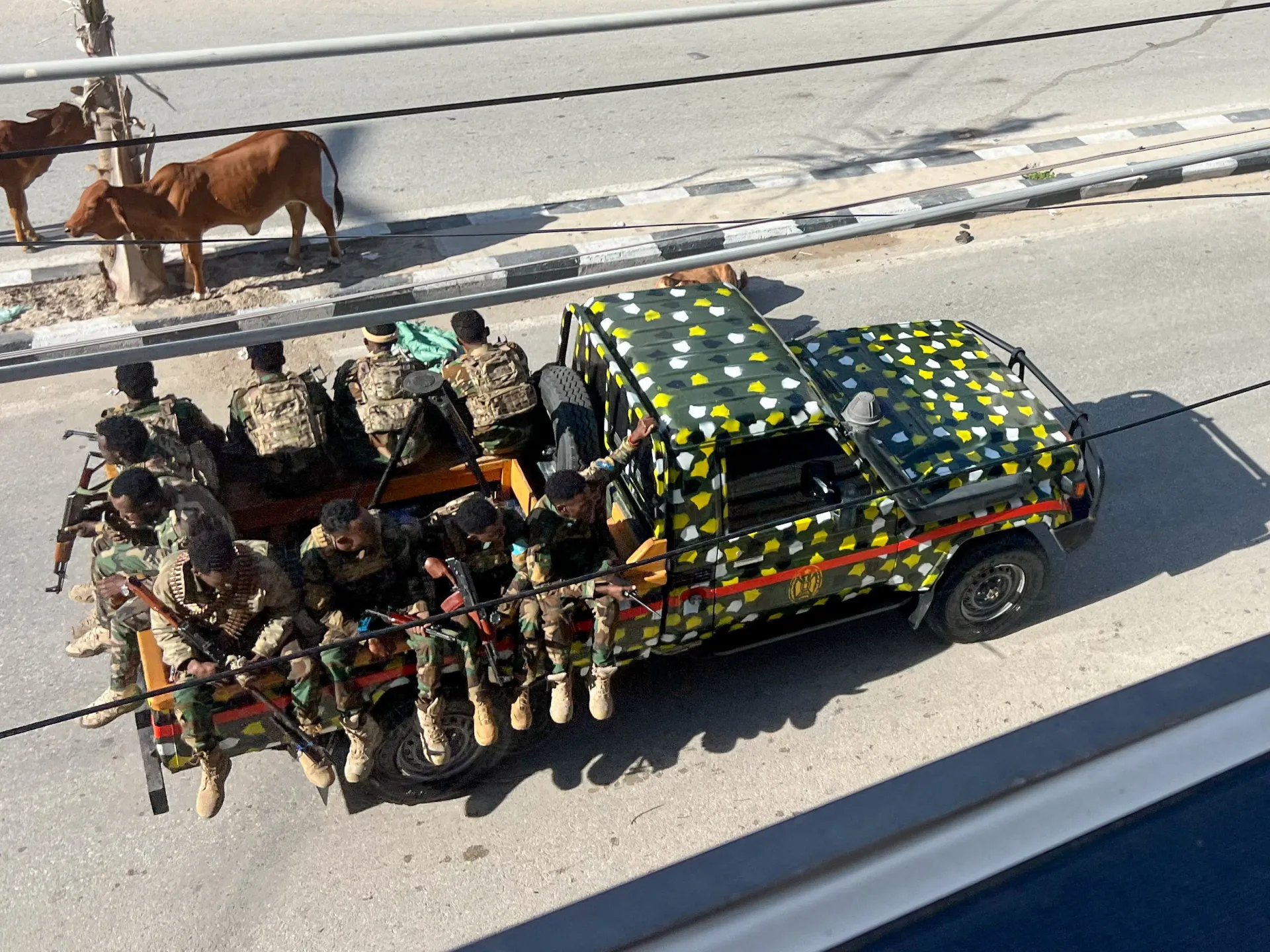
Violence has erupted in Mogadishu between government forces and opposition-aligned militias, disrupting the Somali capital ahead of planned demonstrations against President Hassan Sheikh Mohamud’s decision to extend his term and delay elections. The clashes, which began on Wednesday and continued into Thursday, have damaged buildings, disrupted electrical supplies, and forced residents to flee their homes.
The opposition has called for a peaceful demonstration on Thursday to protest the president’s move, which has expired. Mohamud’s decision to stay in office and push back the electoral timetable has sparked outrage, with critics viewing it as an attempt to centralise power. The government has rejected these allegations, while police described the violence as "organised attacks" linked to political groups seeking to secure power.
Residents reported hearing heavy weapons fire, gunshots, and explosions across several neighbourhoods. Ahmed Ismail told Reuters that a mortar shell landed on a neighbour’s house, injuring a mother, while witness Mohamud Farah reported that two armoured vehicles were set ablaze. Former Prime Minister Hassan Ali Khaire accused the government of using heavy weaponry intended for fighting al-Shabab against its own citizens, describing the events as an "unprecedented campaign of political repression."
Fighting subsided by 09:30 local time on Thursday as representatives from the government and opposition began talks. An anonymous security analyst told AFP that there are "civilian casualties in some areas," although no official figures have been released. The Associated Press reported a heavy security presence in the streets as the city grappled with the unrest.
The African Union, European Union, and the US embassy in Mogadishu have called for restraint, expressing deep concern over the clashes in residential areas. Somalia has not held a national election since 1969 and has been fighting the armed group al-Shabab since 2007. The current crisis echoes the tenure of former President Mohamed Abdullahi Farmaajo, who stayed in office for more than a year after his mandate ended in 2021, triggering similar violence and international condemnation.