Mogadishu marks Eid amid security gains and deepening humanitarian crisis
Somalia’s capital sees tentative return to normalcy for Eid al-Adha celebrations, even as drought, political standoff, and conflict with al-Shabab threaten long-term recovery.
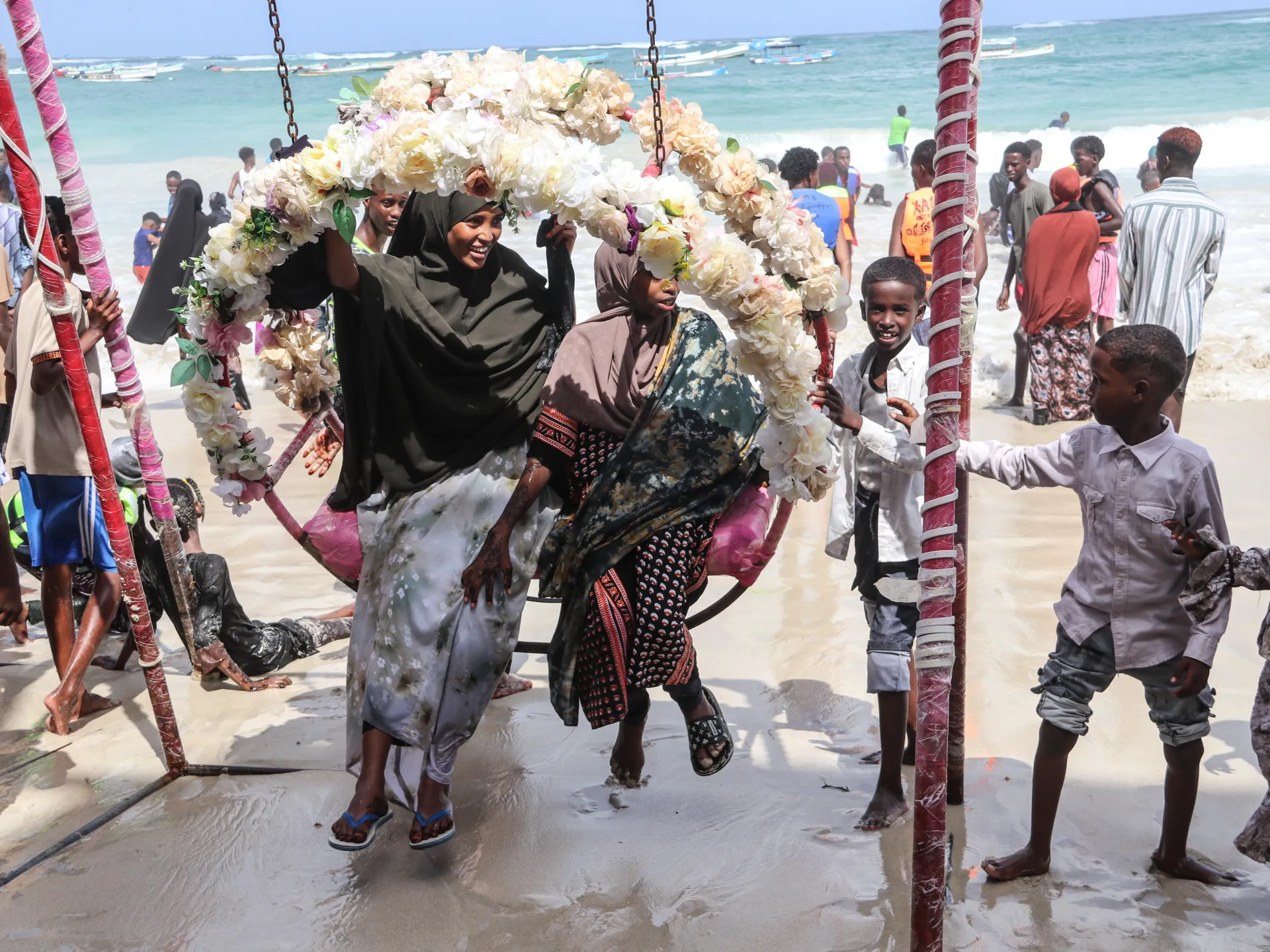
Residents of Mogadishu gathered across the Somali capital on Wednesday to observe Eid al-Adha, marking a tentative emergence from decades of violence that have long characterised the city. Families and communities participated in communal prayers, festive meals, and outings to popular locations including Lido Beach, the Darus Salam Zoo, and Maka al-Mukarama Road in the central business district.
The celebrations underscore a shift in the capital’s security landscape. Since 2006, the government has been engaged in an armed conflict with al-Shabab, an affiliate of al-Qaeda, which has made Mogadishu one of the world’s most dangerous capitals. However, improving security conditions have facilitated a surge in investment, leading to the emergence of new cafes, restaurants, and recreational spaces that were previously rare or inaccessible.
During a speech at the Islamic Solidarity Mosque, President Hassan Sheikh Mohamud addressed the changing environment, stating, “We see the change that has happened in Mogadishu’s security.” He urged the public to protect the city’s peace, acknowledging the progress made despite the persistent threat posed by the insurgency. The Ali Jimale Mosque, the country’s largest, traditionally serves as a primary gathering point for residents during the holiday.
Central to the Eid al-Adha observance is the ritual sacrifice of livestock, commemorating the Prophet Ibrahim’s willingness to sacrifice his son. The meat is traditionally shared among relatives, neighbours, and those in need, reflecting the festival’s emphasis on charity and community devotion. Yet, the economic reality of the holiday has been severely impacted by environmental factors. Costs for livestock have soared in recent months due to failed rains and prolonged drought, complicating the ability of families to participate in traditional practices.
The festive atmosphere stands in stark contrast to the severe humanitarian and political challenges facing the nation. The Integrated Food Security Phase Classification reports that 6.5 million people in Somalia are facing high levels of acute food insecurity, with United Nations monitors warning of famine risk in parts of the country. This crisis is exacerbated by ongoing armed fighting and a political standoff that has persisted since President Mohamud’s term expired on May 15.