Modest fashion market set to hit $433bn as industry professionalises
Think Fashion’s recent Paris event underscores the sector’s transition from niche to mainstream, while DinarStandard data reveals the scale of the emerging economic force.
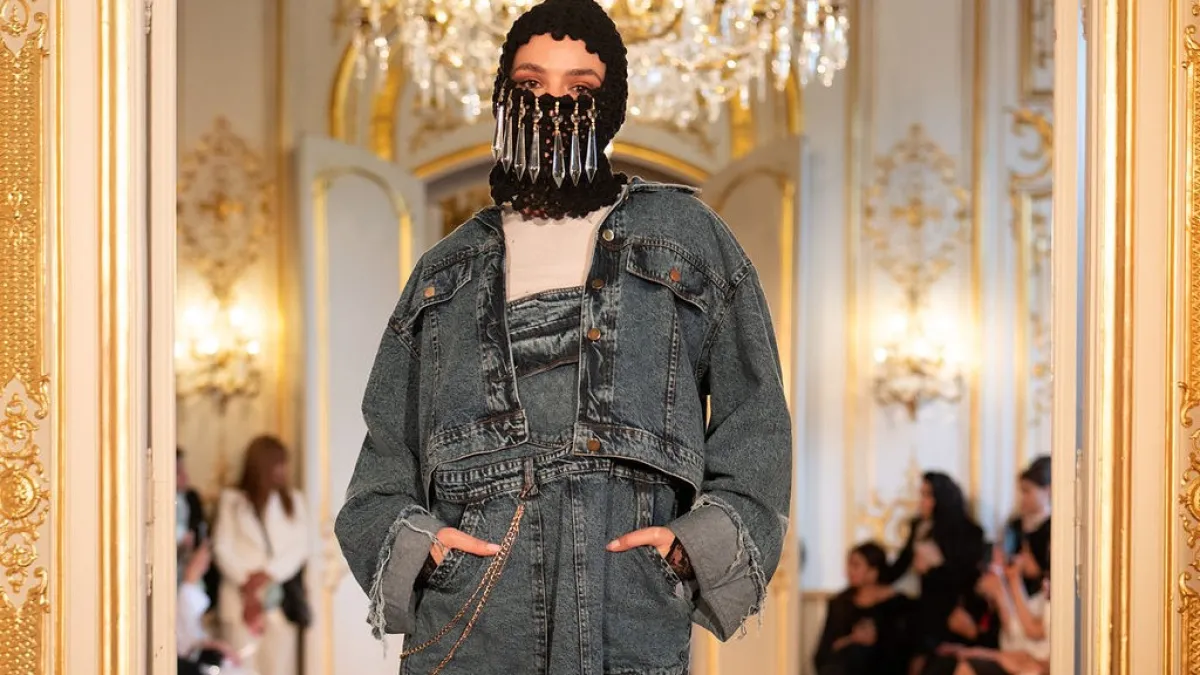
The global modest fashion sector is undergoing a significant structural shift, with Muslim consumer spending forecast to reach $433 billion by 2028. According to DinarStandard’s State of the Global Islamic Economy report, this expansion is underpinned by demographic changes, with Muslims expected to comprise nearly a third of the world’s population by 2030, more than half of whom will be under the age of 25. This demographic reality is compelling major international brands to integrate modest aesthetics into their core strategies, moving beyond seasonal capsule collections to address a sustained market demand.
Recent industry events have highlighted this transition from a niche category to a mainstream commercial force. Modest Fashion Week, organised by Think Fashion, recently convened at Hotel La Marois in Paris, a venue that has historically enforced bans on certain religious garments since 2010. The event featured French label Soutoura, which presented a streetwear interpretation of the niqab, signalling a deliberate effort to position modesty within the global fashion dialogue. Ozlem Sahin, chief executive of Think Fashion, stated that hosting the event in Paris was a natural step to demonstrate the industry’s maturity and its potential to compete on prestigious runways alongside established luxury houses.
The sector’s growth is being driven by distinct regional ecosystems rather than a monolithic trend. Turkiye has emerged as the logistical backbone for modest fashion e-commerce, largely through platforms such as Modanisa. Meanwhile, Indonesia and Malaysia have developed into innovative creative hubs, with designers like Dian Pelangi integrating fashion with beauty, fintech, and travel sectors. These regions are leveraging high-performance textiles suitable for tropical climates, contrasting with the Gulf market, where the abaya has evolved from a functional uniform into a high-fashion heritage statement emphasising couture-level craftsmanship.
Despite the commercial expansion, tensions regarding ownership and authenticity persist. Industry figures warn against the Western co-opting of modest aesthetics, noting that designs often lose their cultural context when aestheticised for European markets. Junaynah El Guthmy, a creative strategist, emphasised the need to move beyond tokenism and ensure that Muslim communities retain agency over their narrative. This concern has led some brands to collaborate directly with community influencers, such as MCM’s partnership with Hanan Houachmi for its 2024 Ramadan collection, to ensure cultural accuracy and avoid conflation with a single universal aesthetic.
The professionalisation of the industry has also created new institutional roles in advisory, marketing, and development that did not exist a decade ago. Deborah Latouche, founder of Sabirah, observed a shift in Europe towards viewing modest fashion as a lifestyle choice aligned with the “quiet luxury” movement, which prioritises minimalism and longevity over overt branding. Simultaneously, advocates like Mariah Idrissi are linking modesty to sustainability and ethical production, arguing that supply chain transparency and avoidance of fast fashion are consistent with Islamic values. As the market matures, the focus is increasingly on craftsmanship and value, reflecting a consumer base that expects genuine integration rather than marginalised representation.