MLB deadlock deepens as owners and union clash over salary cap ahead of December deadline
With the current agreement expiring in early December, Commissioner Rob Manfred’s push for a payroll cap faces stiff opposition from the players’ association, while analysts suggest alternative revenue-sharing models could resolve disparities without a labour dispute.
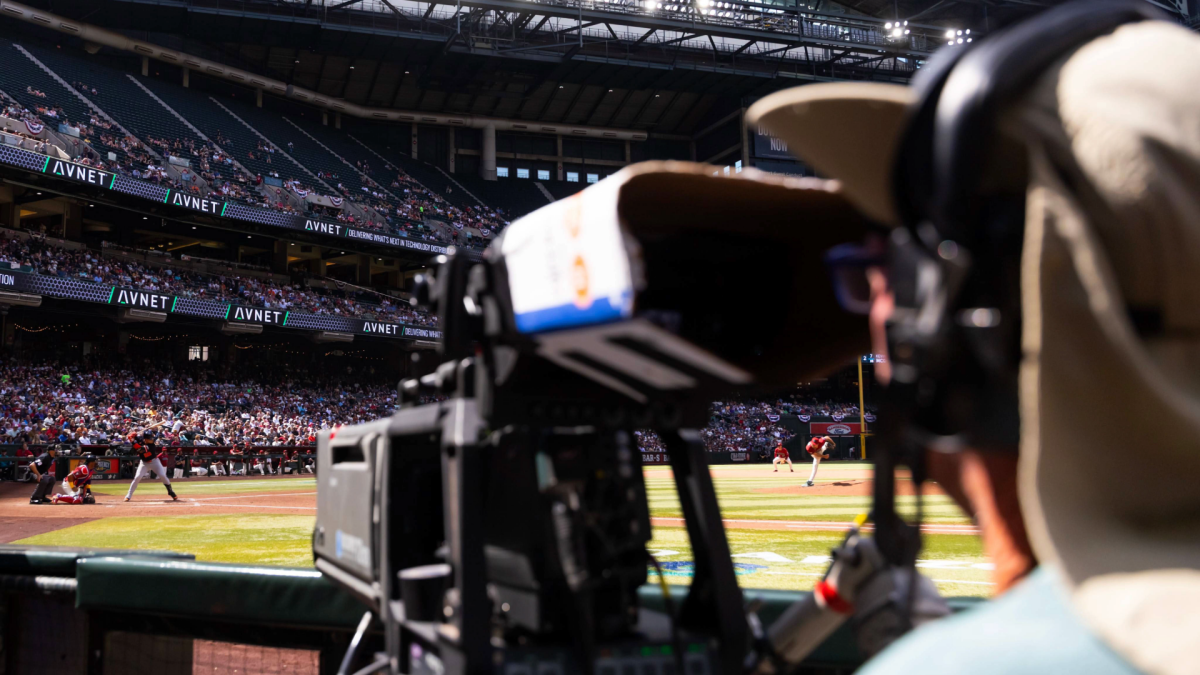
Major League Baseball owners and the players’ union remain deadlocked in collective bargaining agreement negotiations, with the implementation of a salary cap serving as the primary point of contention. Commissioner Rob Manfred and team owners are insisting on a capped system to achieve competitive parity, arguing that the current financial disparities between large-market franchises and small-market clubs undermine the integrity of the sport. The MLB Players Association (MLBPA) remains steadfast in its opposition to such a measure, viewing it as an unnecessary restriction on player earnings.
The impasse raises the spectre of a lockout in early December when the current collective bargaining agreement expires, a scenario that analysts warn could compromise the 2027 season. Owners have framed the cap as essential for balancing the league, pointing to the financial dominance of clubs like the Los Angeles Dodgers, who are currently the league’s top spenders and aiming for a third consecutive World Series title. However, the union argues that a cap is not the only mechanism available to address revenue gaps and that the current model already includes significant revenue-sharing provisions.
Under the existing structure, clubs contribute 48 per cent of their local revenues to a central pool, which is then distributed equally among all 30 teams. This system has effectively transferred funds from high-revenue franchises to smaller-market teams, with some lower-tier clubs receiving enough in revenue sharing to cover their cash payrolls. Despite this, MLB has proposed a more aggressive equal-sharing of local revenues alongside the salary cap, while the union has countered with a proposal to guarantee small-market teams a minimum of $240 million in annual revenue.
Analysts suggest that the league could achieve its stated goal of competitive parity without a salary cap by nationalising broadcast revenues. The current financial disparity is largely driven by the “Dodgers Exception,” a result of the franchise’s previous bankruptcy proceedings that allows the team to retain a larger share of its local broadcast income. With a contract worth an average of $334 million annually running through 2038, the Dodgers enjoy a significant financial advantage over competitors. Nationalising broadcasts would require MLB to centralise these rights, effectively eliminating this disparity and mirroring the revenue-sharing model used by the NFL.
The path forward requires navigating complex financial incentives, as high-spending owners may only accept nationalised broadcasts in exchange for a salary cap to limit their spending capacity. Alternative mechanisms for competitive balance, such as salary multipliers for homegrown talents or discounted deposits into pre-arbitration bonus pools, have been suggested to avoid a prolonged labour war. With the December deadline approaching, the focus remains on whether the league can secure a new agreement that balances financial equity with labour rights before the 2027 season is jeopardised.