Mine collapse exposes deadly risks in South Africa’s illegal chrome trade
Fourteen miners were killed near Rustenburg, highlighting the dangers facing vulnerable workers in abandoned mining sites.
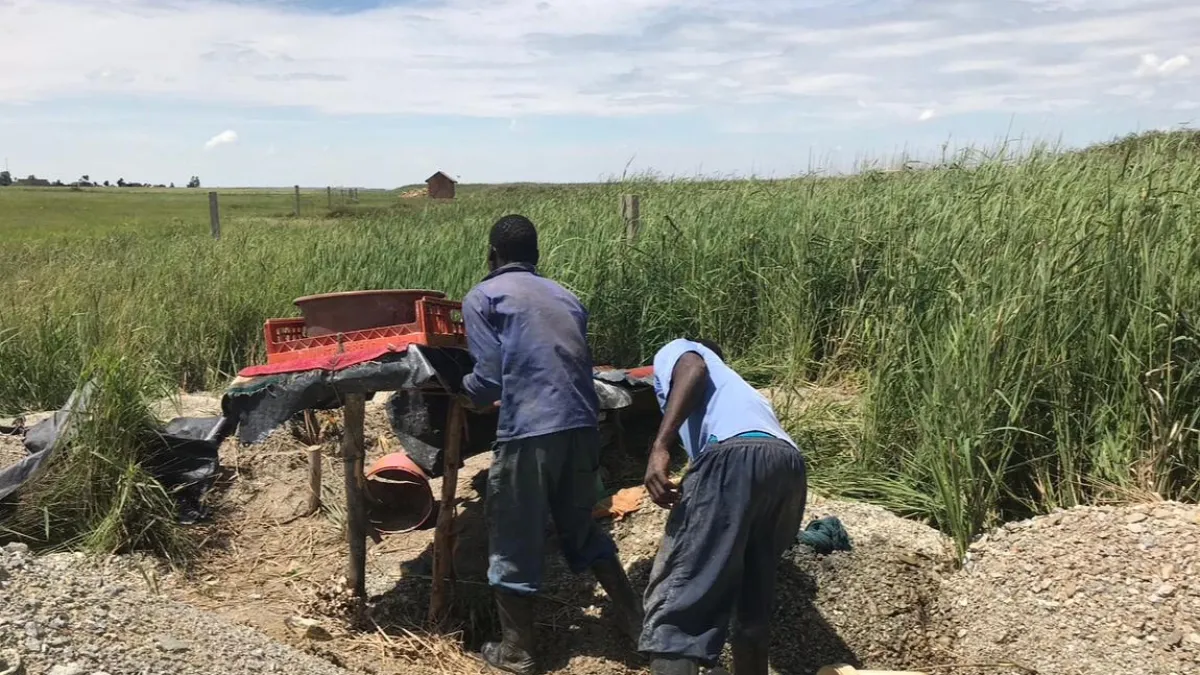
A soil collapse at a disused mining site near Nkaneng, outside Rustenburg in South Africa’s North West province, killed 14 miners on 13 August. Most of those killed were believed to be undocumented migrants, while police said more miners could still be trapped underground.
The collapse has drawn attention to illegal chrome mining around one of South Africa’s most mineral-rich regions. Rustenburg sits above the Bushveld Igneous Complex, which contains major deposits of chrome and platinum-group metals. South Africa is the world’s largest chrome producer and exporter, with ore feeding global supply chains, particularly China’s stainless-steel industry.
Thousands of abandoned mine shafts remain across the country. Experts and community leaders told Al Jazeera that illegal mining has exposed workers to unstable ground and may have damaged farmland, water supplies and local ecosystems. Claims of criminal control, forced labour and debt bondage remain difficult to verify independently.
South Africa launched Operation Vala Umgodi in 2023 to target illegal mining and associated criminal activity. Some experts and community leaders say enforcement pressure may have encouraged operators to seek less-monitored chrome-producing areas in North West, an allegation rejected by police.
Lieutenant-Colonel Tinyiko Mathebula of the Hawks, the South African Police Service’s specialised organised crime unit, said 23 illegal-mining cases had been registered in the Rustenburg area over the past two years. Police charged 63 people and seized 20 trucks and 15 excavators linked to illegal mining activities.