Miliband urges Europe to build strategic autonomy without severing US ties
Speaking at the Hay literary festival, Miliband argued that while Europe needs “separate bedrooms” and independent agency, it must avoid a “divorce” from the traditional transatlantic alliance, citing the vast economic disparity with the United States.
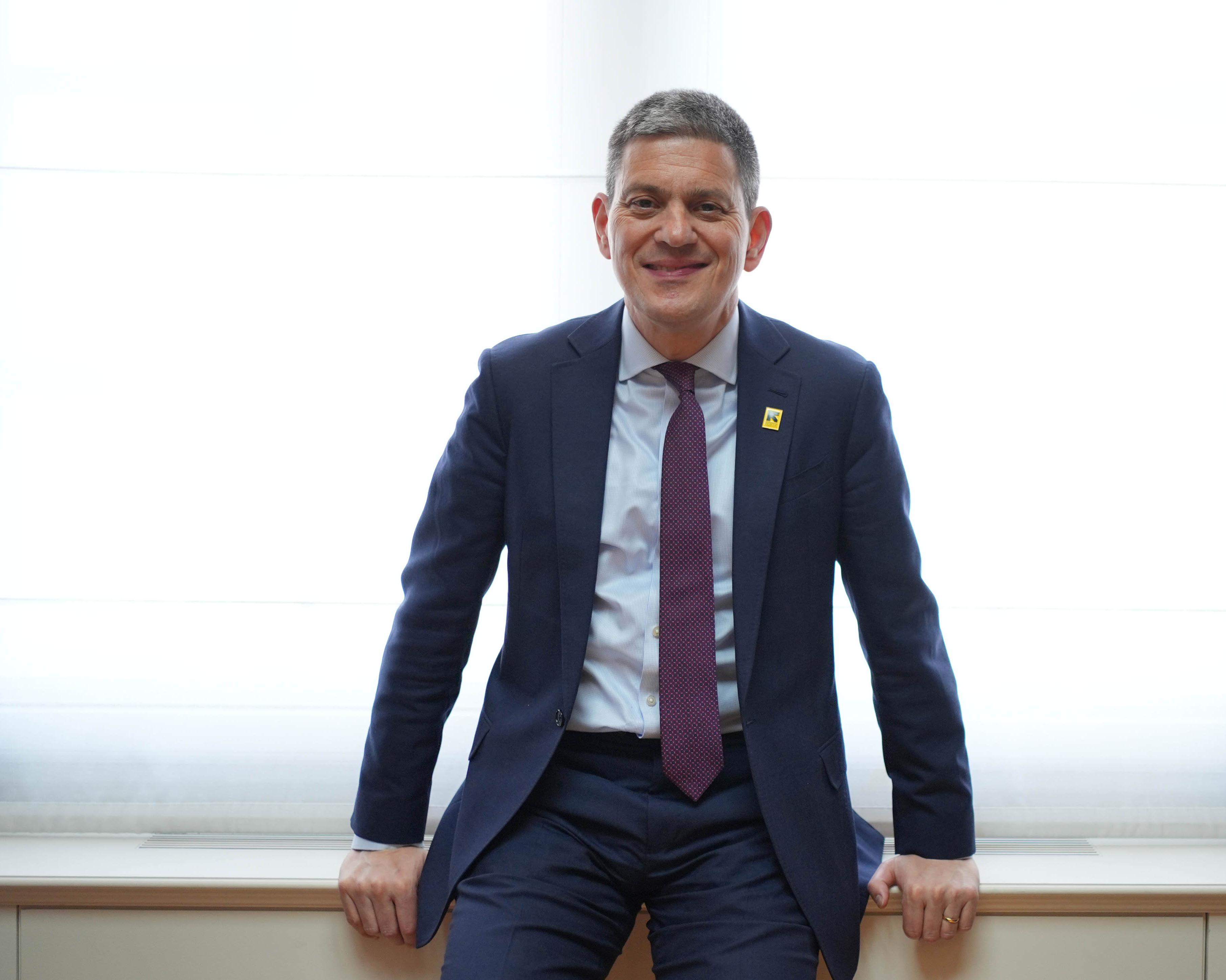
Former UK foreign secretary David Miliband has called for Europe to pursue strategic autonomy while maintaining its alliance with the United States, arguing that the continent requires independent economic and military agency without seeking a full break from Washington. Speaking at the Hay literary festival on Sunday, Miliband, who serves as president of the International Rescue Committee, cautioned that complete disengagement could leave Europe in a “very, very difficult position,” particularly in areas such as military procurement, artificial intelligence, and climate policy.
Miliband utilised the metaphor of needing “separate bedrooms” and “separate bank accounts” to describe the necessary evolution of the transatlantic relationship. He emphasised the structural challenges Europe faces in developing this agency, noting that US GDP per capita is nearly double that of Europe in nominal terms. This economic disparity complicates efforts to achieve digital sovereignty and independent defence capabilities, as European nations remain heavily reliant on American technology and hardware for fighters and aircraft.
The former Labour minister also highlighted the imperative for Europe to lead on climate policy, arguing that the continent cannot afford to be held back by shifts in American domestic policy. He stated that generating and distributing wealth fairly is core to addressing Europe’s political and military weaknesses, suggesting that economic resilience is a prerequisite for strategic independence.
On the panel, which included writer Philippe Sands and philosopher Susan Neiman, Sands described the UK-US relationship as “one-way,” asserting that Britain is far more dependent on the United States than vice versa. Sands argued that the UK’s primary connection must be with Europe, urging the next British prime minister to spend significant time working with France to ease political, economic, and military reconnection with the EU, noting that Britain is not currently viewed as a reliable partner by Paris.
Miliband extended his critique of Brexit, calling for a national consensus on rejoining the bloc and stating that the past decade has served as an “object lesson” in the costs of disengagement. His comments followed reports that a proposed single market for goods with the EU had been rejected, prompting Miliband to argue that immiserating the UK does not honour the original Brexit vote. He concluded by noting that the war in Iran has caused a break in the international system that is “bigger” than that of the Iraq war, significantly straining US-Europe relations.