Microsoft recasts Copilot as a unified platform for work
The company is bringing chat, coding, an AI agent and Office editing tools into Copilot, pitching it as a new platform for enterprise work.
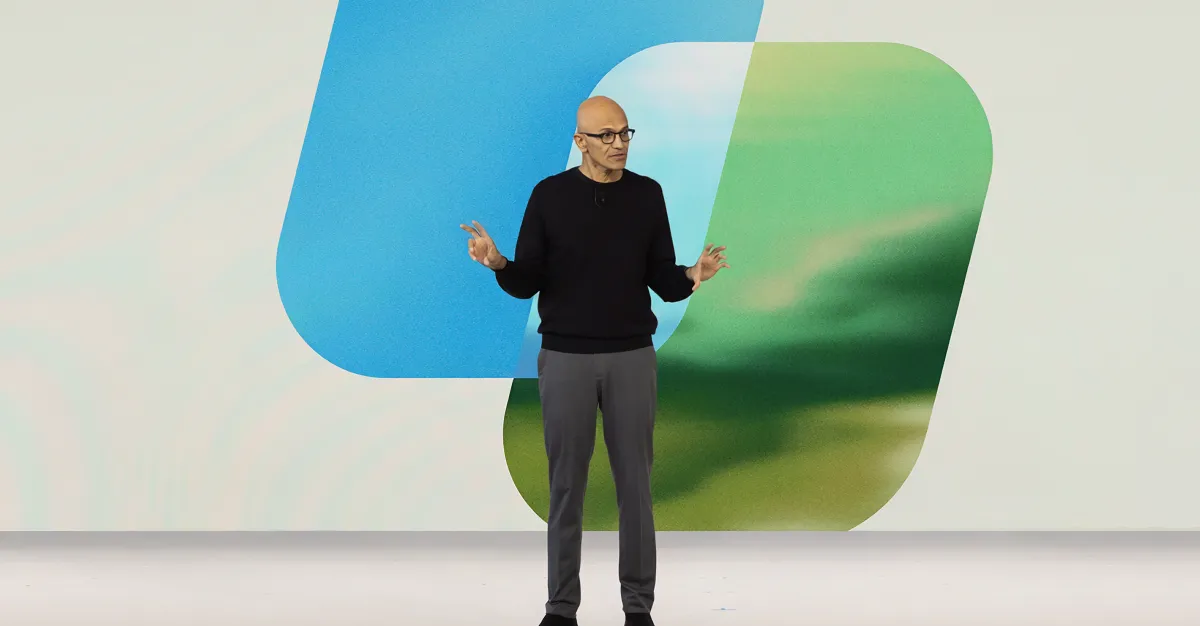
Microsoft is reshaping Copilot from a standalone assistant into a unified work platform, combining its consumer and enterprise experiences with coding tools, AI agents and Office editing. Chief executive Satya Nadella outlined the strategy at an invite-only event for enterprise customers last week, positioning Copilot as an “OS for work”.
The redesigned app is planned to include separate areas for chat, coding and an agent called Autopilot. Microsoft is also bringing Office tools into Copilot, allowing users to create and edit documents there instead of switching to apps such as Word and PowerPoint. The package does not specify when the features will be broadly available.
The shift gives Microsoft a way to sell AI as part of the work environment, rather than as features added to Office. Nadella argued that AI could change how people work in a way comparable to Office’s impact in the 1980s and 1990s. The company has previously offered Copilot in Office at US$30 per user per month, but The Verge reports that response was lukewarm.
The Verge also reports that Microsoft has moved its agent focus from the Scout desktop preview to a cloud service renamed Autopilot. Details about Scout’s status and the reasons for the rebrand rely on sources familiar with Microsoft’s plans.
The enterprise pitch centres on control as well as capability. Nadella said organisations need to retain control over their businesses as AI systems learn, while Copilot chief Jacob Andreou described the autonomy that makes agents useful as a concern for IT administrators. Microsoft is presenting Copilot as its answer to that tension, though the company’s claims do not establish that enterprise deployment challenges have been resolved.