Microsoft confirms LG to remove McAfee ads from monitor installer app
LG has agreed to disable pop-up advertisements for McAfee on its LG Monitor App Installer, a move confirmed by Microsoft after the software was found installing itself on Windows PCs without user consent.
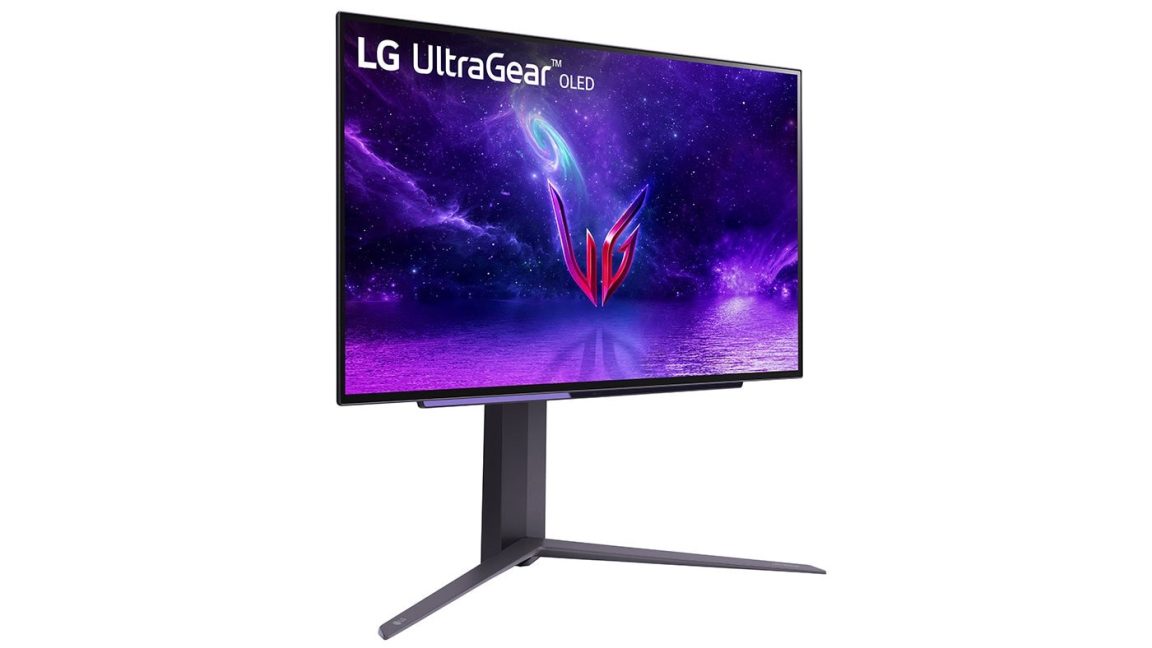
Microsoft has confirmed that LG will disable pop-up advertisements for McAfee on the LG Monitor App Installer, following complaints from users and reporting by the YouTube channel Gamers Nexus. The application installs automatically via Windows Update when certain LG monitors connect to a PC, pushing ads for a McAfee free trial and other software without explicit user permission. While Microsoft stated that LG agreed to disable the specific McAfee pop-ups as an immediate next step, privacy advocates and reviewers note that the automatic installation of ad-pushing software remains a significant concern.
Pavan Davuluri, Executive Vice President of Windows and Devices at Microsoft, stated that LG has agreed to disable the McAfee pop-up as an immediate next step. In a social media post, Davuluri noted, "We’ve connected with the team at LG and as an immediate next step, they have agreed to disable the McAfee pop-up from their app. We appreciate LG working with us toward a shared goal of a better experience for our mutual customers." Microsoft added that it would continue to improve the ecosystem with its partners.
Gamers Nexus editor-in-chief Steve Burke reported that the app pushed ads for a 30-day free trial of McAfee, as well as LG Switch, LG Calibration Studio, LG Dual Controller, and LG Channels, on every single boot of affected Windows 11 systems. Burke, who purchased an LG UltraGear 3GX900A-B gaming monitor for testing, replicated the behaviour across multiple systems and observed the pop-ups appearing on every boot. He noted that the monitor’s price dropped significantly shortly after his purchase, adding to the frustration of the experience.
Windows Latest noted that the app recently received an update with a changelog mentioning McAfee as an additional app, which may have prompted the surge in complaints. The issue has persisted for months, with users reporting installations on monitors purchased up to three years ago. Burke highlighted that the app technically possesses permission to use all system resources and collect extensive data, including geolocation, device data, online activity, contacts, user credentials, and transactions.
The automatic installation of companion software is not unique to LG, with other hardware vendors such as Razer, Logitech, Asus, and Gigabyte facing similar criticism. Microsoft’s support page for developers acknowledges that automatic installation features do not notify users, which can lead to confusion, frustration, and negative ratings. LG has not provided a direct response to Ars Technica regarding the purpose of the app, affected models, or privacy concerns, though a representative acknowledged receipt of the questions.